
 EN
EN
2-Deoxy-D-Ribose Supplier for Pharmaceutical Synthesis
Choosing the right 2-deoxy-D-ribose supplier is one of the most consequential decisions a pharmaceutical manufacturer or research organization can make. 2-Deoxy-D-ribose, registered under CAS No. 533-67-5, is a five-carbon deoxysugar that serves as a critical building block in nucleoside analog synthesis, antiviral drug development, and various biochemical research applications. Its structural role in replicating the backbone of natural DNA makes it indispensable in synthetic chemistry workflows targeting nucleotide-based therapeutics.
Every 2-deoxy-D-ribose supplier in the market operates under different standards of purity, documentation, and manufacturing control. For pharmaceutical synthesis, these differences are not trivial. The quality of your raw material directly affects yield consistency, regulatory compliance, and ultimately the safety profile of your final drug product. This article examines what pharmaceutical teams should evaluate when sourcing from a 2-deoxy-D-ribose supplier, covering quality benchmarks, supply chain reliability, and documentation expectations.
Quality Standards Expected from a Pharmaceutical-Grade Source
Purity Specifications and Analytical Testing
A reliable 2-deoxy-D-ribose supplier for pharmaceutical synthesis must provide material that meets stringent purity thresholds. For synthesis-grade applications, purity levels of 98% or higher, verified by HPLC or GC analysis, are considered the baseline expectation. Pharmaceutical teams working with nucleoside analogs cannot tolerate impurities that might introduce unwanted side reactions or compromise stereochemical integrity. When evaluating any 2-deoxy-D-ribose supplier, always request a certificate of analysis that includes optical rotation, melting point data, and residual solvent content alongside chromatographic purity figures.
Stereochemical purity is equally important. 2-Deoxy-D-ribose exists in multiple anomeric forms, and a qualified 2-deoxy-D-ribose supplier should be able to specify and confirm the anomeric composition of each lot. Inconsistencies in anomeric ratios can alter reaction kinetics and selectivity in glycosylation reactions, leading to unpredictable synthesis outcomes. Pharmaceutical chemists should insist that their 2-deoxy-D-ribose supplier provides NMR data or other confirmatory spectral documentation to support every batch delivered.
Good Manufacturing Practice Alignment
For regulated pharmaceutical applications, the manufacturing environment of your 2-deoxy-D-ribose supplier matters significantly. Suppliers operating under GMP-compliant or GMP-aligned conditions provide a higher level of process control and traceability. A 2-deoxy-D-ribose supplier with documented quality management systems, equipment calibration records, and in-process controls reduces the risk of batch-to-batch variation. This is particularly critical when your downstream synthesis requires consistent starting material performance across multiple production campaigns.
Supply Chain Reliability and Sourcing Continuity
Inventory Capacity and Lead Time Commitments
Beyond product quality, the operational reliability of your 2-deoxy-D-ribose supplier shapes your entire production schedule. A 2-deoxy-D-ribose supplier with robust inventory management and confirmed production capacity can offer realistic lead time commitments, which is essential for pharmaceutical manufacturers operating under tight synthesis timelines. When a supplier cannot guarantee stock availability or frequently revises delivery estimates, it creates disruption at every stage of your synthesis pipeline. Sourcing teams should assess whether a 2-deoxy-D-ribose supplier holds safety stock or produces only on demand, as this distinction directly affects supply continuity.
Scalability is another practical consideration. A 2-deoxy-D-ribose supplier that only handles small laboratory quantities may not be the right partner when your program scales from discovery to clinical manufacturing. The ideal 2-deoxy-D-ribose supplier supports multi-kilogram quantities with the same level of quality control applied to smaller research orders. Confirming that your supplier has demonstrated capacity at both scales prevents costly re-qualification processes later in the drug development cycle.
Packaging, Stability, and Cold-Chain Handling
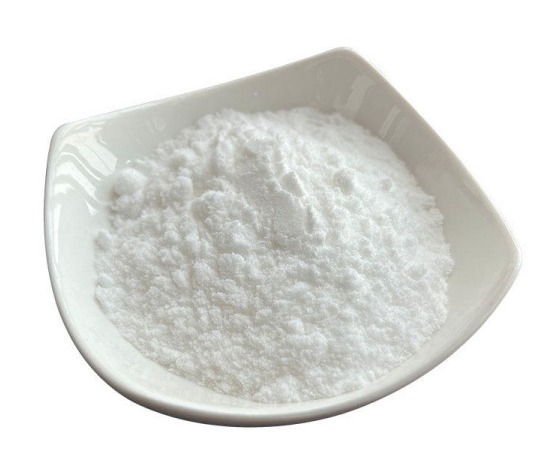
2-Deoxy-D-ribose is a hygroscopic solid, and an experienced 2-deoxy-D-ribose supplier understands the importance of appropriate packaging to preserve product integrity during transit and storage. Inert packaging with desiccant controls, sealed under nitrogen or argon atmosphere when warranted, reflects the technical competency of a 2-deoxy-D-ribose supplier serving pharmaceutical markets. Poorly packaged material can absorb moisture, degrade, or alter its anomeric equilibrium, all of which undermine synthesis performance. Request detailed storage and handling guidelines from any prospective 2-deoxy-D-ribose supplier and verify that their shipping protocols are aligned with your facility's receiving requirements.
Documentation, Regulatory Support, and Long-Term Partnership Value
Regulatory Documentation Provided by a Qualified Supplier
Pharmaceutical synthesis projects are subject to regulatory scrutiny, and your 2-deoxy-D-ribose supplier must be prepared to support your documentation needs. A qualified 2-deoxy-D-ribose supplier routinely provides safety data sheets, certificates of analysis, and may offer additional regulatory support documents such as drug master file references or material origin statements. For teams working toward IND submissions or commercial drug filings, having a 2-deoxy-D-ribose supplier with experience in regulatory documentation reduces administrative burden and accelerates your own compliance preparation. Evaluate whether the supplier maintains archived batch records and can respond to regulatory inquiries on your behalf if needed.
Technical Communication and Application Support
The best 2-deoxy-D-ribose supplier relationships go beyond transactional exchanges. A supplier with genuine technical expertise in carbohydrate chemistry can assist your team in interpreting analytical data, understanding specification limits, and troubleshooting unexpected synthesis results. This kind of application-level dialogue is especially valuable when adapting new synthetic routes or switching starting material sources mid-program. When your 2-deoxy-D-ribose supplier invests in understanding your synthesis context, the partnership delivers compounding value well beyond the initial purchase. Treat your supplier selection not as a commodity decision but as a long-term technical collaboration.
Consistency in communication channels, dedicated account support, and clear escalation paths for quality concerns are all markers of a mature 2-deoxy-D-ribose supplier organization. These operational details become critical when time-sensitive quality deviations arise and rapid resolution is required to avoid synthesis delays. A responsive 2-deoxy-D-ribose supplier with trained technical staff can mean the difference between a contained issue and a costly batch failure in your pharmaceutical program.
FAQ
What purity level should a 2-deoxy-D-ribose supplier provide for pharmaceutical synthesis?
For pharmaceutical synthesis applications, a 2-deoxy-D-ribose supplier should provide material with a minimum purity of 98%, confirmed by HPLC or GC analysis. Supporting documentation such as NMR spectra, optical rotation, and residual solvent data should accompany every batch to meet synthesis and regulatory expectations.
How do I verify that a 2-deoxy-D-ribose supplier is reliable for long-term supply?
To assess the long-term reliability of a 2-deoxy-D-ribose supplier, evaluate their production capacity at multiple scales, their inventory management practices, and their track record of meeting delivery commitments. Requesting reference information or reviewing auditable quality records can also help confirm supplier consistency over time.
Why does anomeric purity matter when selecting a 2-deoxy-D-ribose supplier?
Anomeric composition affects reactivity and selectivity in glycosylation and related synthesis reactions. A 2-deoxy-D-ribose supplier that specifies and controls anomeric ratios by lot ensures more predictable reaction outcomes. Inconsistent anomeric profiles can lead to reduced yields or unwanted by-products in nucleoside analog synthesis workflows.