Apigenin Extract for Modern Formulas

All Categories

apigenin extract

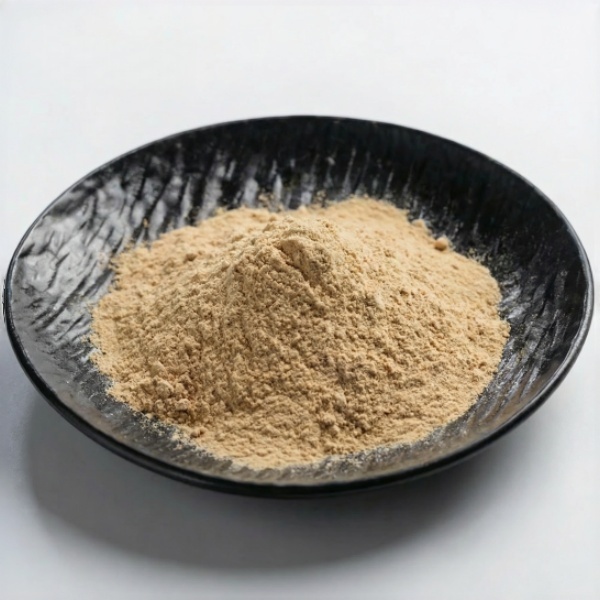
Apigenin extract is a plant-based ingredient made by concentrating apigenin, a natural flavonoid found in chamomile, parsley, celery, and other botanical sources. Apigenin extract gives formulators a practical way to add a recognizable botanical compound to supplements, functional foods, personal care products, and research materials. Apigenin extract is commonly selected for its antioxidant activity and its ability to support formulas designed for relaxation, healthy cellular function, and balanced inflammatory response. The ingredient does not act as a replacement for medical treatment, but apigenin extract can support wellness products when used responsibly and within suitable regulatory limits. Commercial apigenin extract may appear as a fine powder, standardized botanical concentrate, or custom blend. Suppliers can offer different purity levels, carrier systems, particle sizes, and packaging options. These technological features help manufacturers match apigenin extract with capsules, tablets, powders, beverages, gummies, creams, and laboratory preparations. A standardized apigenin extract also improves batch-to-batch consistency because the buyer receives a defined target level rather than an uncontrolled raw herb. Good production practice includes botanical identification, controlled extraction, drying, sieving, and testing for identity, purity, moisture, heavy metals, microbes, and residual solvents. Apigenin extract can be sourced from water, ethanol, or other approved extraction systems, depending on the desired profile and application. Its main functions include supplying a concentrated flavonoid, supporting antioxidant-focused positioning, and giving product developers a flexible botanical active. Buyers should review the source plant, extraction method, assay, solubility, color, odor, documentation, and recommended use level before purchase. This information helps teams choose an apigenin extract that performs reliably in the finished product.
New Products

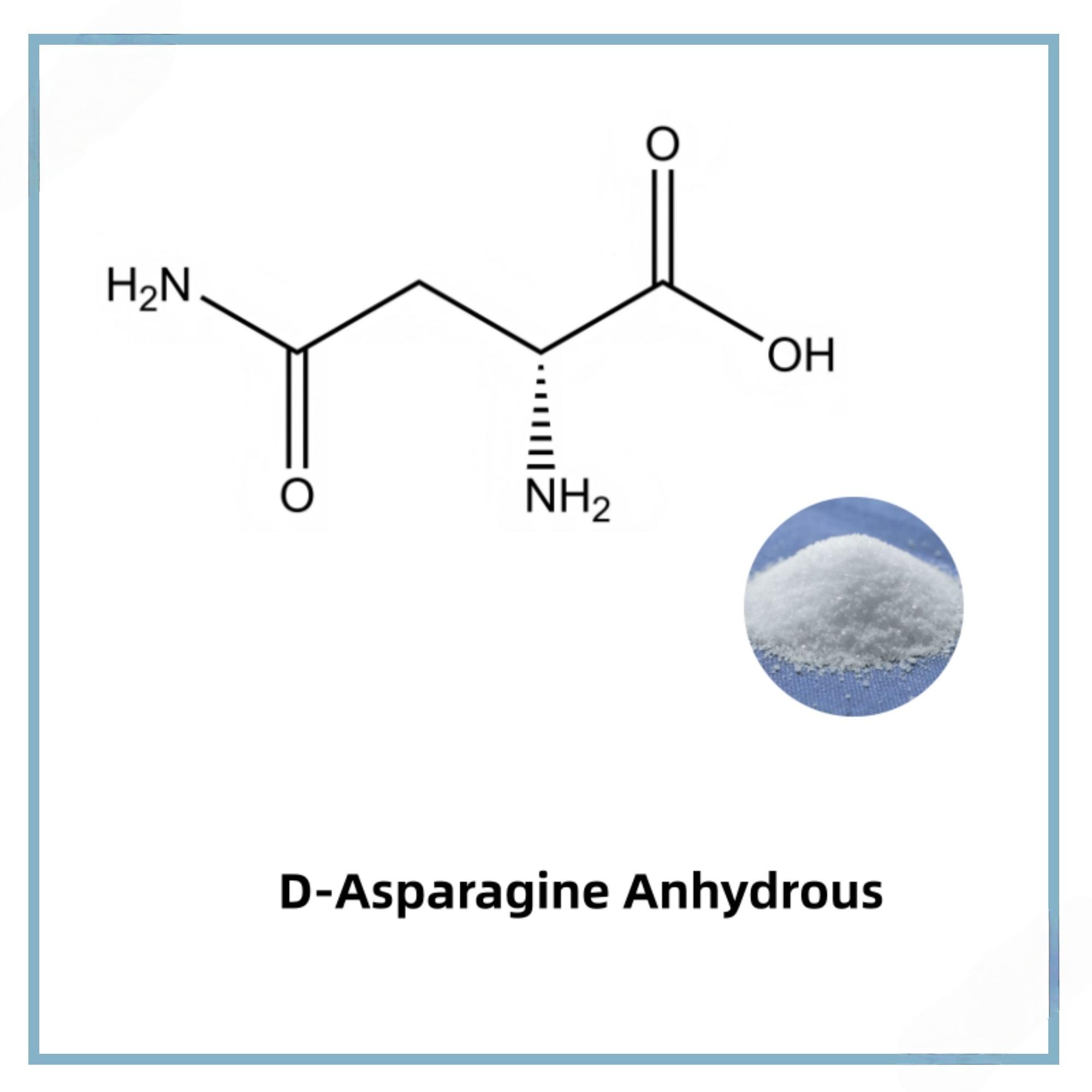
D-Asparagine Anhydrous<br alt=CAS 2058-58-4" loading="lazy" > VIEW DETAILS
L-Prolinamide<br alt=CAS 7531-52-4" loading="lazy" > VIEW DETAILS
L-Asparagine Anhydrous<br alt=CAS 70-47-3" loading="lazy" > VIEW DETAILS
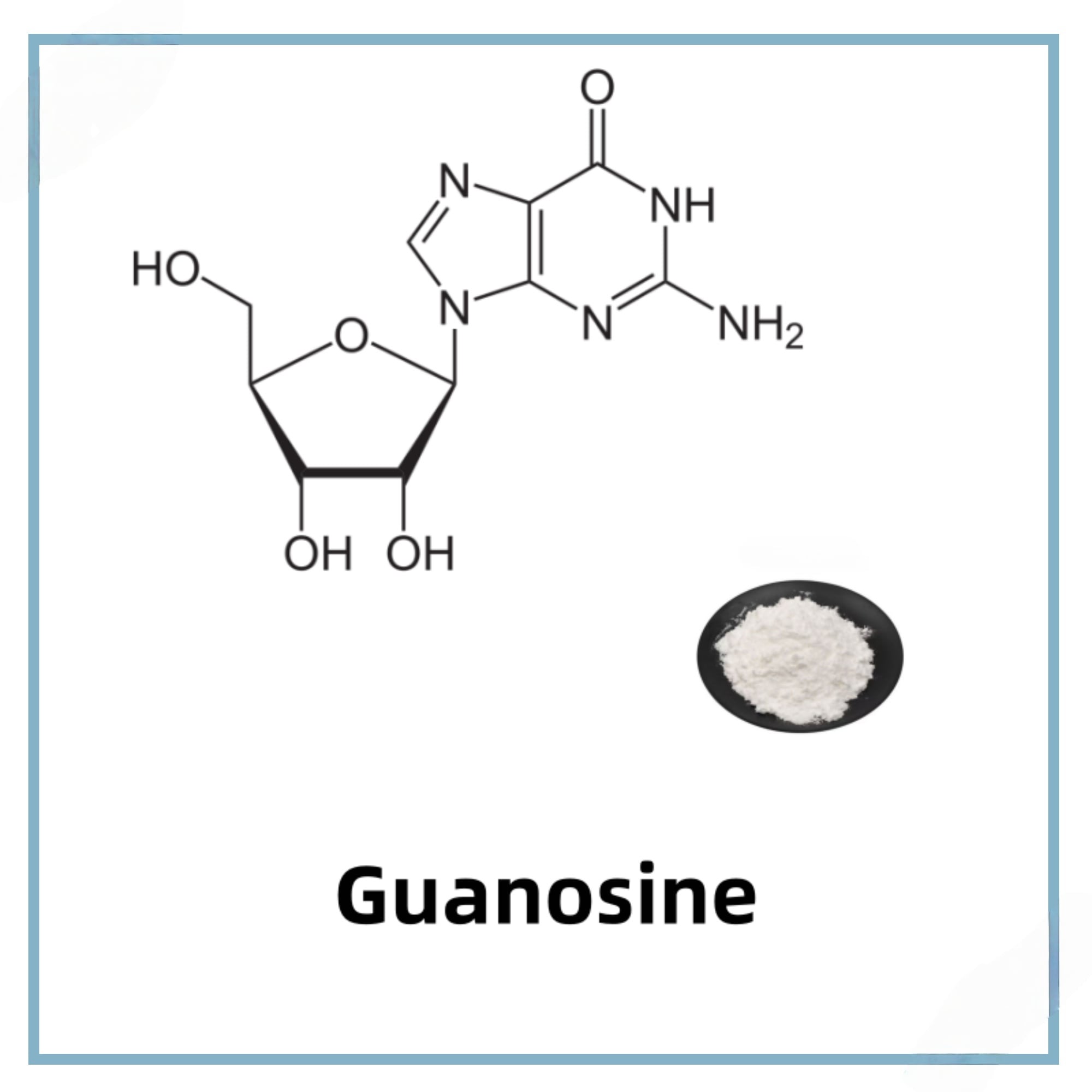
Guanosine<br alt=CAS 118-00-3" loading="lazy" > VIEW DETAILS
The main advantage of apigenin extract is concentration. Instead of adding a large amount of dried herb, a manufacturer can use a smaller, measured quantity of apigenin extract to reach a defined formulation target. This can save space, simplify blending, and support more efficient packaging. Apigenin extract also gives buyers better control over product consistency. A declared assay helps production teams set repeatable inclusion rates, compare supplier lots, and reduce variation between batches. For brands, apigenin extract can strengthen a botanical product story around antioxidant support, calm-focused wellness, evening routines, or general cellular care, subject to local claim rules. Apigenin extract suits capsules and tablets because its dry powder form is easy to weigh and combine with other ingredients. It may also work in drink mixes, sachets, gummies, and functional blends when the supplier provides suitable dispersion guidance. For topical products, a compatible grade can support creams, gels, masks, and serums, although stability and skin-use testing remain essential. A reliable apigenin extract supplier can provide certificates of analysis, technical data, allergen information, country-of-origin details, and traceability records. These documents reduce qualification time and help quality teams approve the ingredient with greater confidence. Apigenin extract may offer operational benefits through flexible pack sizes, private-label support, and custom standardization. Buyers can select a level that fits their budget, target market, and manufacturing equipment rather than accepting one fixed specification. Apigenin extract can also help a product stand out when the label needs a familiar botanical ingredient with a clear, easy-to-explain role. Before ordering, confirm solubility, stability during processing, flavor impact, color, recommended storage, shelf life, and compatibility with the full formula. In short, apigenin extract supports efficient production, consistent quality, flexible applications, and credible product development when technical data and responsible claims guide the purchase.

Practical Tips

2-Deoxy-D-Ribose (2-DDR): The Emerging Ingredient Transforming Modern Scalp Revitalization Solutions

22

Jul

2-Deoxy-D-Ribose (2-DDR): The Emerging Ingredient Transforming Modern Scalp Revitalization Solutions

Over the past few years, the global hair care industry has experienced a significant shift often referred to as “Skinification.” Consumers are no longer focused solely on the appearance of their hair. Instead, they increasingly view scalp health with the same importance as facial skincare, driving demand for advanced ingredients that support the scalp ecosystem at a deeper biological level.
View More
2-Deoxy-D-Ribose Factory Standards for Global Exporting

30

Sep

2-Deoxy-D-Ribose Factory Standards for Global Exporting

Need compliant, high-purity 2-Deoxy-D-Ribose? Discover ISO/GMP factory standards, purity benchmarks (98%+), and export docs required for EU/US/Japan markets. Source confidently.
View More

Get a Free Quote

Our representative will contact you soon.
Email
Name
Company Name
Message
0/1000

apigenin extract

Standardized Strength for Consistent Batches

Standardized Strength for Consistent Batches

A key selling point of apigenin extract is the option to purchase a standardized grade. Standardization defines the expected apigenin level, giving the formulator a clearer starting point than an ordinary botanical powder. With apigenin extract, operators can calculate inclusion rates, adjust blends, and compare production lots using a measurable specification. This improves manufacturing control and reduces the risk that one batch delivers a noticeably different ingredient profile from the next. Apigenin extract with a certificate of analysis can also simplify supplier approval, incoming inspection, and customer documentation. Buyers should check the assay method, acceptance range, moisture limit, and testing frequency before making a decision. Standardized apigenin extract is especially useful for brands that want repeatable label information or plan to sell across several markets. It supports dependable capsule, tablet, sachet, and powder production without forcing teams to redesign the formula for every shipment. The result is better planning, fewer avoidable adjustments, and stronger confidence in finished-product consistency.
Flexible Formats for Diverse Applications

Flexible Formats for Diverse Applications

Apigenin extract can serve several product categories because suppliers may provide different powder grades, particle sizes, carriers, and packaging formats. This flexibility allows apigenin extract to fit supplement capsules, tablets, drink powders, gummies, functional blends, and selected cosmetic systems. A fine apigenin extract may disperse more easily in a dry mix, while a supported or specially processed grade can improve handling in a more demanding formula. The correct choice depends on solubility, heat exposure, moisture, pH, taste, color, and the manufacturing process. Buyers gain value when a supplier offers application guidance rather than only a raw material price. Apigenin extract can also support private-label and custom-formulation projects, helping brands test a concept before committing to a large production run. For topical use, developers should confirm skin compatibility and preservative stability through appropriate testing. This broad application range makes apigenin extract a useful ingredient for companies serving wellness, nutrition, beauty, and research customers.
Traceable Quality for Better Purchasing Decisions

Traceable Quality for Better Purchasing Decisions

A quality-focused apigenin extract program gives buyers practical information before the ingredient reaches production. Suppliers should identify the botanical source, extraction approach, country of origin, assay, appearance, storage conditions, shelf life, and recommended handling. Apigenin extract supported by identity testing and contaminant screening helps quality teams manage risk more effectively. Useful checks may include heavy metals, microbial limits, pesticides, residual solvents, moisture, and adulteration markers. Strong documentation also improves traceability when a customer asks where the ingredient came from or how it was processed. Apigenin extract with stable supply planning can reduce delays caused by inconsistent harvests or unclear specifications. Buyers should compare not only price, but also minimum order quantity, lead time, packaging, technical support, and change-notification procedures. This approach makes apigenin extract easier to qualify and easier to defend during audits or product reviews. The best supplier combines dependable material with responsive communication, helping customers move from sample evaluation to commercial production with fewer surprises.
Call
+86-18265650337
WhatsApp
Apigenin Extract for Modern Formulas
Email Inquiry

Get a Free Quote

Our representative will contact you soon.
Email
Name
Company Name
Message
0/1000