rna nucleoside
An rna nucleoside is a molecular building block used to form ribonucleic acid, or RNA. Each rna nucleoside combines a nitrogen-containing base with a ribose sugar, while a phosphate group is added when the unit joins an RNA chain. The four natural choices are adenosine, guanosine, cytidine, and uridine. Scientists also make modified versions to adjust stability, binding, solubility, immune response, or resistance to enzymes. This rna nucleoside supports the storage, transfer, and use of genetic information in cells. Messenger RNA uses these units to carry instructions, transfer RNA helps deliver amino acids, and ribosomal RNA helps assemble proteins. A modified rna nucleoside can therefore influence how long an RNA strand remains active and how cells respond to it. Technologically, the rna nucleoside may be supplied as a purified research reagent, a protected synthesis intermediate, or a material made for larger-scale production. Important product features include identity, purity, water content, residual solvents, salt form, packaging, and batch consistency. Analytical data such as chromatography, mass spectrometry, and nuclear magnetic resonance results help confirm quality. Because each rna nucleoside can serve a different design purpose, buyers should match the material to their sequence, reaction, and regulatory needs. In laboratory workflows, an rna nucleoside supports oligonucleotide synthesis, RNA labeling, sequencing, assay development, and gene expression studies. In medicine, the material contributes to messenger RNA vaccines, RNA therapies, diagnostic tests, and delivery research. Overall, an rna nucleoside offers a practical foundation for projects that require controlled RNA structure and predictable performance.

 EN
EN
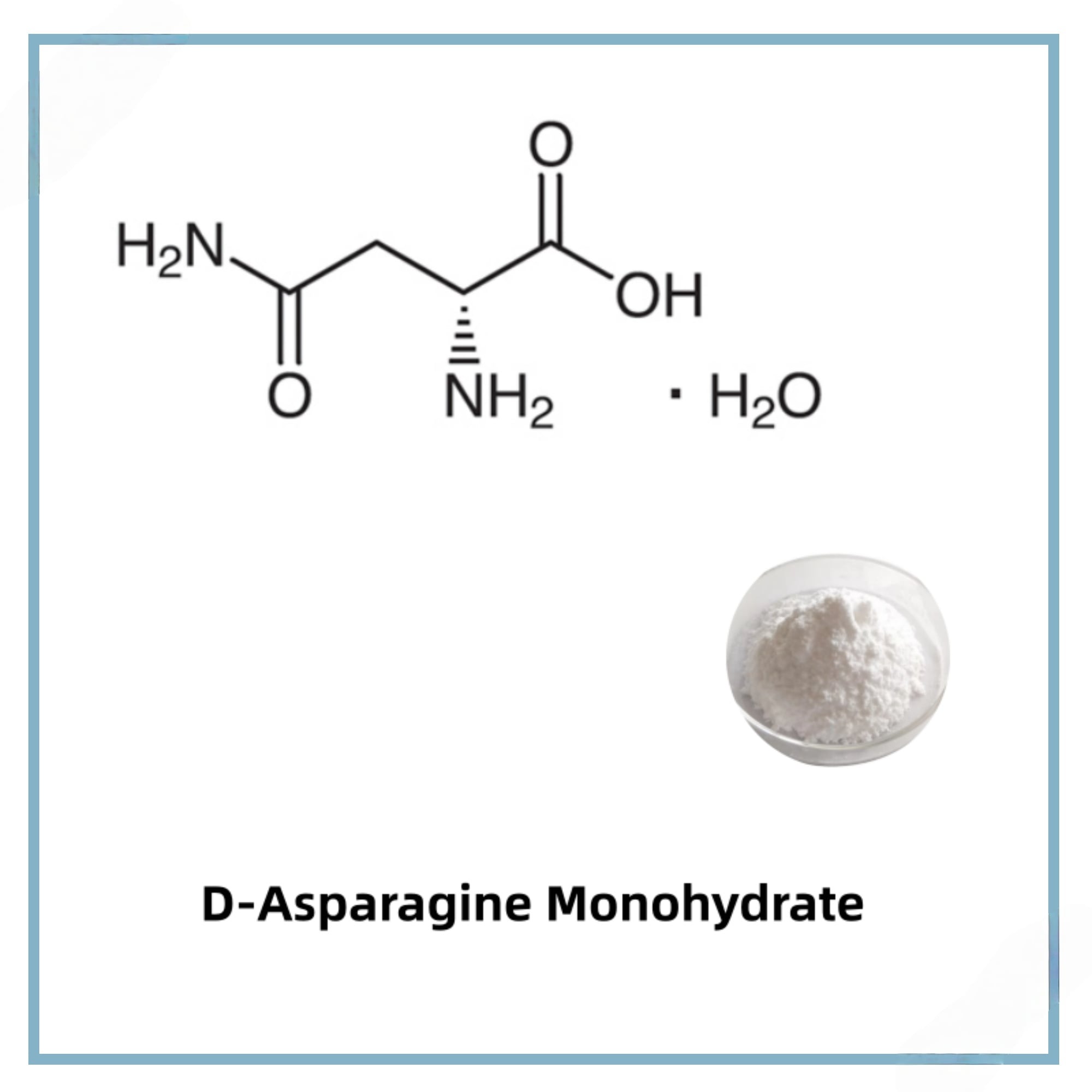 CAS 5794-24-1"
loading="lazy"
>
CAS 5794-24-1"
loading="lazy"
>
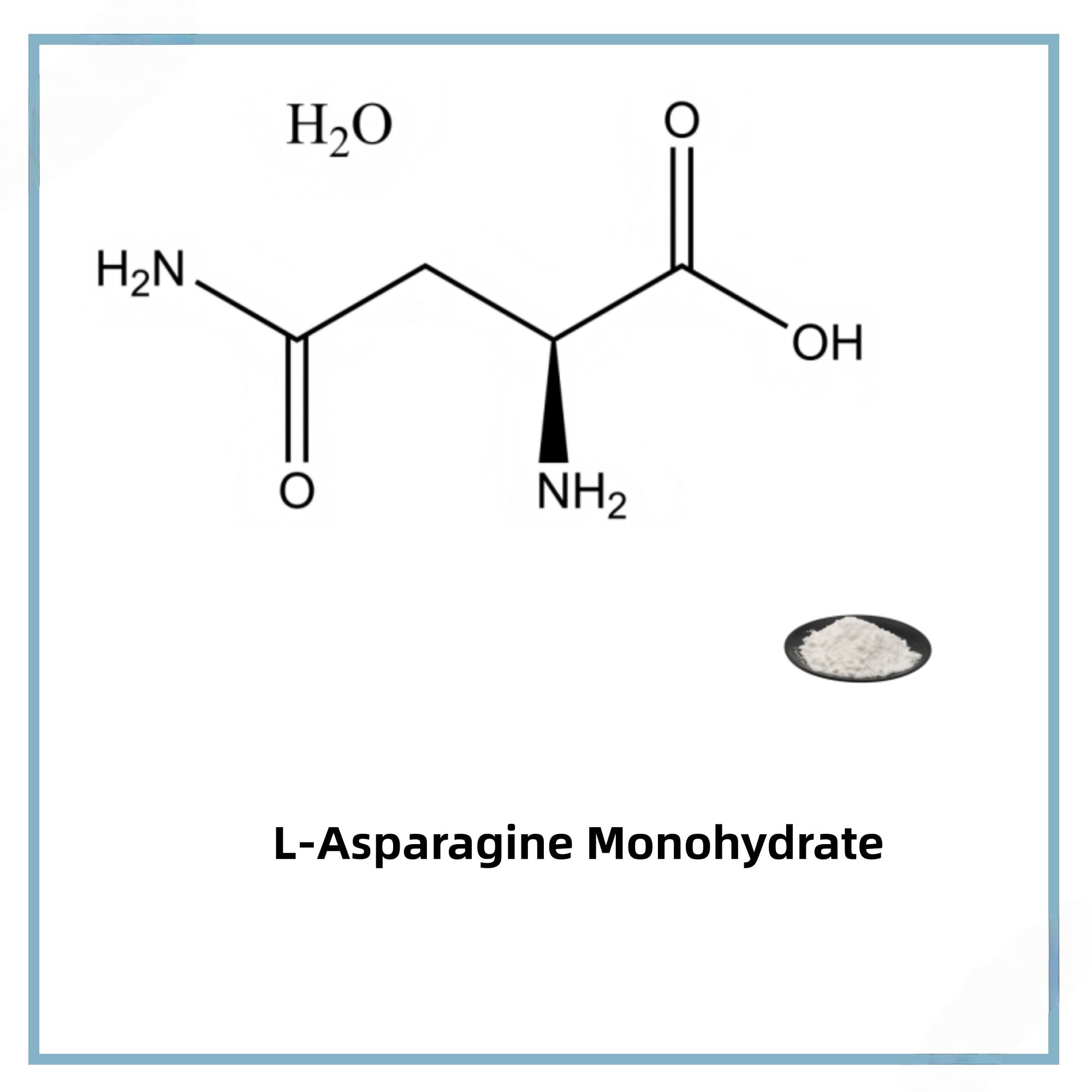 CAS 5794-13-8"
loading="lazy"
>
CAS 5794-13-8"
loading="lazy"
>
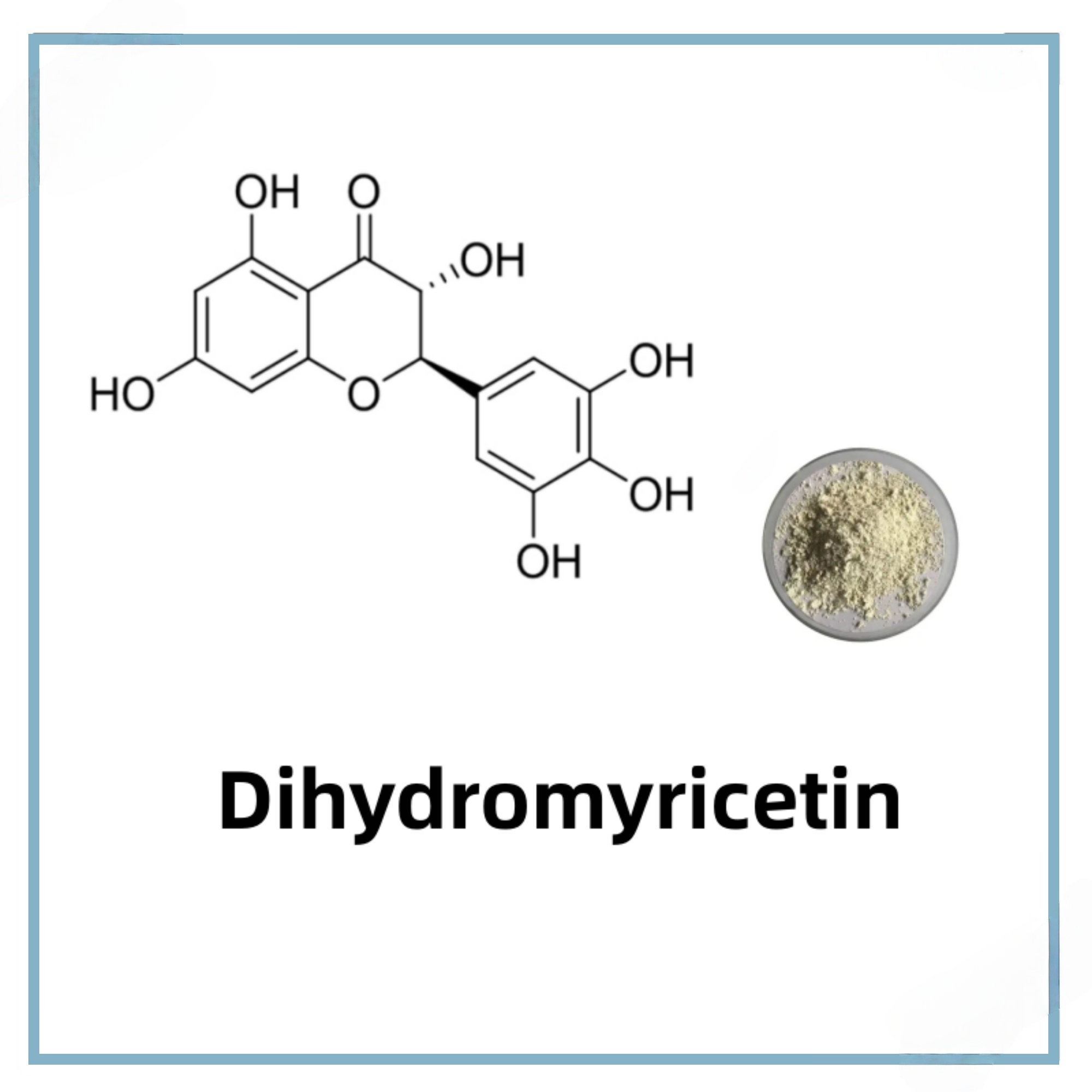 CAS 27200-12-0"
loading="lazy"
>
CAS 27200-12-0"
loading="lazy"
>
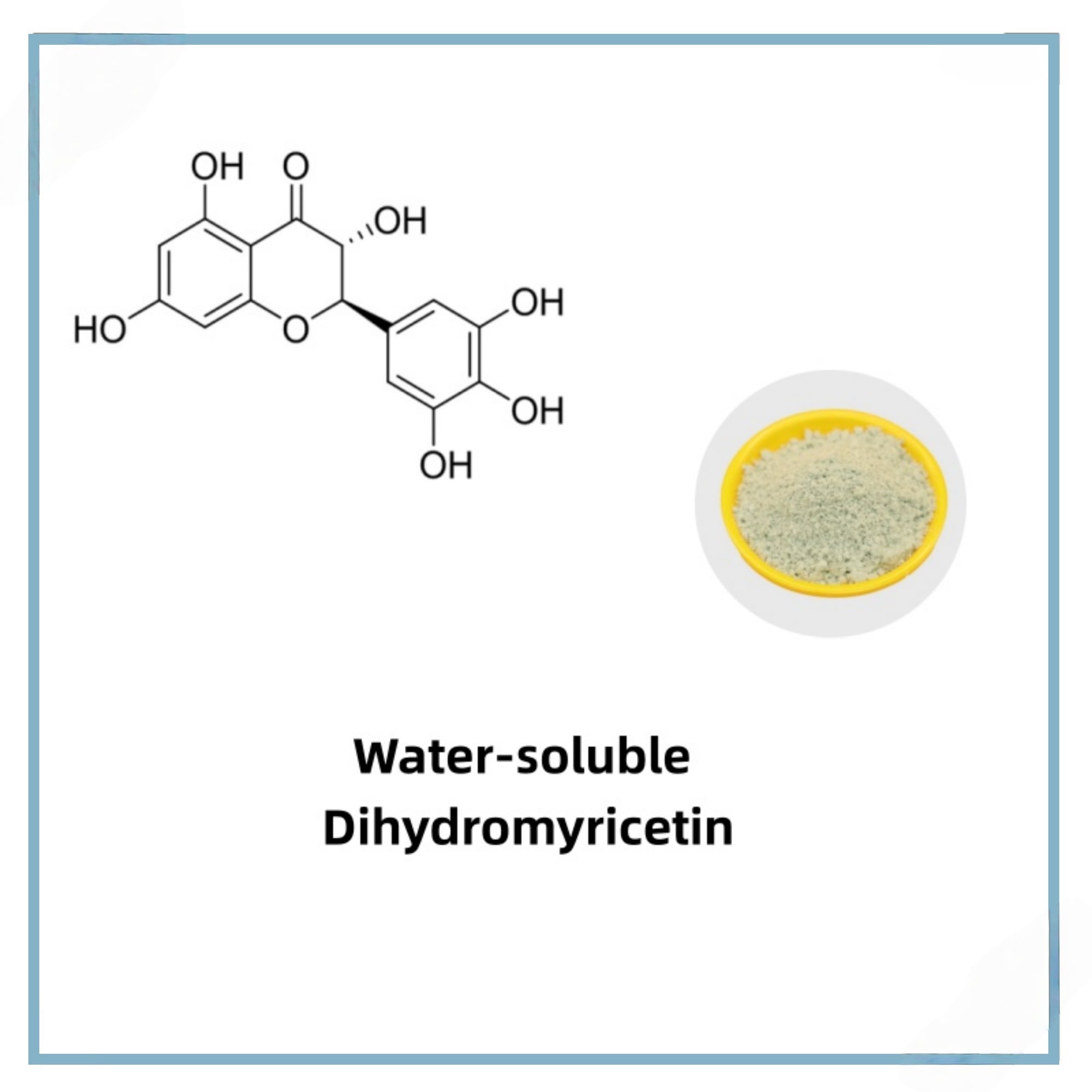 CAS 27200-12-0"
loading="lazy"
>
CAS 27200-12-0"
loading="lazy"
>