 EN
EN
How Technical Grade 2-Deoxy-D-Ribose Suppliers Operate
Understanding how 2-deoxy-D-ribose suppliers operate gives procurement teams and research institutions a meaningful advantage when sourcing this specialty carbohydrate. Technical grade 2-deoxy-D-ribose, identified under CAS No. 533-67-5, is a deoxysugar widely used in pharmaceutical synthesis, biochemical research, and nucleoside production. As demand for this compound grows across multiple industries, the operational model behind 2-deoxy-D-ribose suppliers becomes increasingly important to understand.
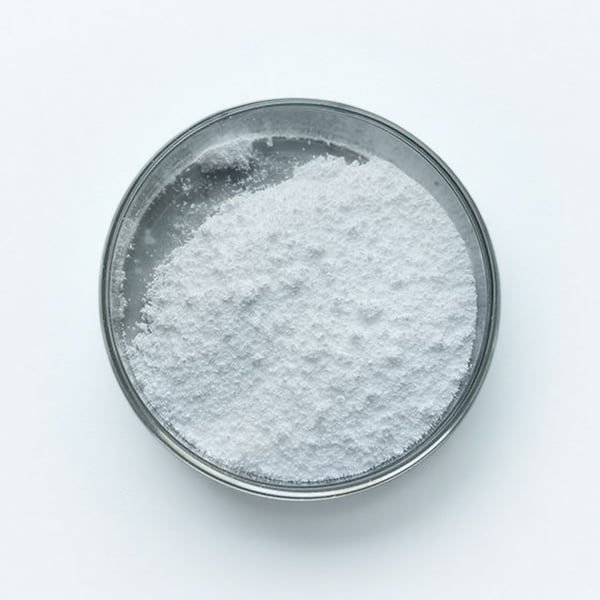
Unlike commodity chemicals, technical grade 2-deoxy-D-ribose requires precise synthesis controls and consistent purity standards. 2-deoxy-D-ribose suppliers must navigate complex production workflows, raw material sourcing, quality verification, and regulatory compliance before delivering product to end users. This article breaks down exactly how reputable 2-deoxy-D-ribose suppliers structure their operations from synthesis to shipment.
Raw Material Sourcing and Synthesis Methods
Starting Material Selection
Reputable 2-deoxy-D-ribose suppliers begin their operational cycle with careful selection of starting materials. The synthesis of technical grade 2-deoxy-D-ribose typically starts from D-ribose or other naturally derived carbohydrate precursors. 2-deoxy-D-ribose suppliers working at scale evaluate raw material purity, consistency between batches, and supplier reliability when establishing their upstream sourcing partnerships. Any variation in starting material quality directly affects the final product specification that downstream customers depend on.
Some 2-deoxy-D-ribose suppliers use chemical deoxygenation routes, while others employ enzymatic or fermentation-based approaches for more selective synthesis. The choice of method reflects the supplier's production scale, target purity grade, and cost structure. Technical grade 2-deoxy-D-ribose suppliers focused on industrial volumes often favor chemical synthesis routes because they allow tighter process control and higher throughput compared to biological methods.
Synthesis Process Control
Process control is central to how 2-deoxy-D-ribose suppliers maintain batch-to-batch consistency. Reaction parameters such as temperature, reaction time, pH, and catalyst concentration must be monitored and documented throughout the synthesis cycle. Experienced 2-deoxy-D-ribose suppliers invest in process documentation systems that allow full traceability from raw material receipt to finished product release. This level of process discipline differentiates professional technical grade 2-deoxy-D-ribose suppliers from less structured operations.
Quality Assurance and Purity Verification
In-Process Testing Protocols
Quality assurance is one of the most critical aspects of how 2-deoxy-D-ribose suppliers operate. During production, suppliers conduct in-process testing at defined checkpoints to monitor intermediate purity and detect deviations early. 2-deoxy-D-ribose suppliers typically use high-performance liquid chromatography, optical rotation measurement, and spectroscopic methods to track product identity and purity during synthesis. Early detection of deviations allows suppliers to adjust process parameters before a full batch is compromised.
For technical grade 2-deoxy-D-ribose, acceptable purity thresholds vary by end application, but most reputable 2-deoxy-D-ribose suppliers target a minimum purity of 98% or higher for standard technical applications. Suppliers serving pharmaceutical or nucleoside synthesis customers often apply stricter internal specifications beyond what public grade standards require. This proactive quality approach is a defining feature of professional 2-deoxy-D-ribose suppliers.
Final Product Release and Documentation
Before any shipment leaves their facility, responsible 2-deoxy-D-ribose suppliers complete a formal product release process. This includes issuance of a Certificate of Analysis covering parameters such as assay purity, appearance, water content, heavy metal limits, and specific optical rotation. 2-deoxy-D-ribose suppliers also prepare Safety Data Sheets, packing declarations, and any required export documentation. Buyers evaluating 2-deoxy-D-ribose suppliers should always request complete documentation packages as a baseline expectation, since reliable suppliers maintain these records as standard practice rather than as special requests.
Order Fulfillment, Packaging, and Logistics
Inventory and Order Management
How 2-deoxy-D-ribose suppliers manage inventory directly impacts their ability to fulfill orders reliably. Leading 2-deoxy-D-ribose suppliers maintain buffer stock of finished product to meet routine orders without extended lead times. They track expiry dating carefully because technical grade 2-deoxy-D-ribose has defined shelf-life limits under recommended storage conditions. 2-deoxy-D-ribose suppliers that operate with disciplined inventory management can offer faster delivery windows and reduce the risk of supply disruptions for their customers.
For large volume or custom orders, 2-deoxy-D-ribose suppliers typically enter into scheduled production agreements with customers, aligning manufacturing runs to confirmed purchase orders. This model helps suppliers optimize production efficiency while giving buyers predictable supply timelines. Professional 2-deoxy-D-ribose suppliers also offer sample quantities for qualification testing before buyers commit to full commercial volumes.
Packaging Formats and Cold Chain Requirements
Proper packaging is essential to preserving product integrity throughout transit. 2-deoxy-D-ribose suppliers package technical grade material in moisture-resistant containers, typically double-layer sealed bags within fiber drums or HDPE bottles depending on order size. Because technical grade 2-deoxy-D-ribose is hygroscopic and sensitive to heat, 2-deoxy-D-ribose suppliers coordinate cold chain or temperature-controlled logistics for international shipments. Buyers should confirm packaging standards and transit temperature controls when selecting 2-deoxy-D-ribose suppliers for long-distance sourcing.
International 2-deoxy-D-ribose suppliers handle customs classification, export licensing where applicable, and coordination with freight partners experienced in chemical cargo. Established 2-deoxy-D-ribose suppliers maintain relationships with certified logistics providers to streamline cross-border movement and reduce clearance delays. This logistics competence is part of the full operational profile that distinguishes reliable 2-deoxy-D-ribose suppliers from purely transactional resellers.
FAQ
What purity level do technical grade 2-deoxy-D-ribose suppliers typically offer?
Most technical grade 2-deoxy-D-ribose suppliers offer product with a minimum purity of 98% as measured by HPLC or titration methods. Some 2-deoxy-D-ribose suppliers offer higher purity tiers for pharmaceutical or research applications upon request. Always review the Certificate of Analysis provided by 2-deoxy-D-ribose suppliers to confirm the exact purity specification for each batch.
How do 2-deoxy-D-ribose suppliers handle minimum order quantities?
Minimum order quantities vary among 2-deoxy-D-ribose suppliers based on their production scale and business model. Some 2-deoxy-D-ribose suppliers accommodate small research quantities starting from 100 grams, while others focus on kilogram or multi-kilogram industrial orders. Contacting 2-deoxy-D-ribose suppliers directly to discuss your volume requirements is the best approach to finding the right supply partner for your needs.
What documentation should buyers expect from 2-deoxy-D-ribose suppliers?
Professional 2-deoxy-D-ribose suppliers routinely provide a Certificate of Analysis, Safety Data Sheet, packing list, and commercial invoice with each shipment. For regulated applications, 2-deoxy-D-ribose suppliers may also supply additional documentation such as origin certificates or production batch records. Buyers should request and review all available documents from 2-deoxy-D-ribose suppliers before finalizing procurement decisions.