CAS 533-67-5 Guide: Uses and Benefits

All Categories

cas 533-67-5

CAS 533-67-5 is a chemical registry number used to identify a specialty material in supplier databases, technical files, and regulatory records. CAS 533-67-5 helps buyers distinguish the requested substance from products with similar trade names, abbreviations, or package descriptions. Because a registry number alone does not define purity, physical form, or intended grade, customers should compare the CAS 533-67-5 entry with the supplier's specification sheet and certificate of analysis. In commercial use, CAS 533-67-5 is generally approached as a functional formulation ingredient or chemical intermediate, with its precise role depending on the grade and the customer's process. Its main functions can include supporting a targeted reaction, modifying a formulation, or providing a controlled input for downstream manufacturing. The technological value of CAS 533-67-5 lies in consistent identification, controlled composition, documented traceability, and compatibility with a defined production method. These features make it easier to set purchasing standards, qualify alternative sources, and maintain repeatable batch performance. Potential applications for CAS 533-67-5 may include specialty coatings, polymer systems, adhesives, laboratory development, and other industrial formulations where controlled raw materials matter. The correct application depends on purity, moisture, particle form, storage conditions, and processing temperature. Buyers assessing CAS 533-67-5 should request technical data, safety documentation, packaging details, and sample quantities before approval. This approach connects the CAS 533-67-5 identifier with real performance requirements rather than relying on a name alone. For reliable sourcing, CAS 533-67-5 should be purchased from a supplier able to confirm identity, lot consistency, regulatory status, and practical handling guidance.

New Product Recommendations

L-Prolinamide<br alt=CAS 7531-52-4" loading="lazy" > VIEW DETAILS
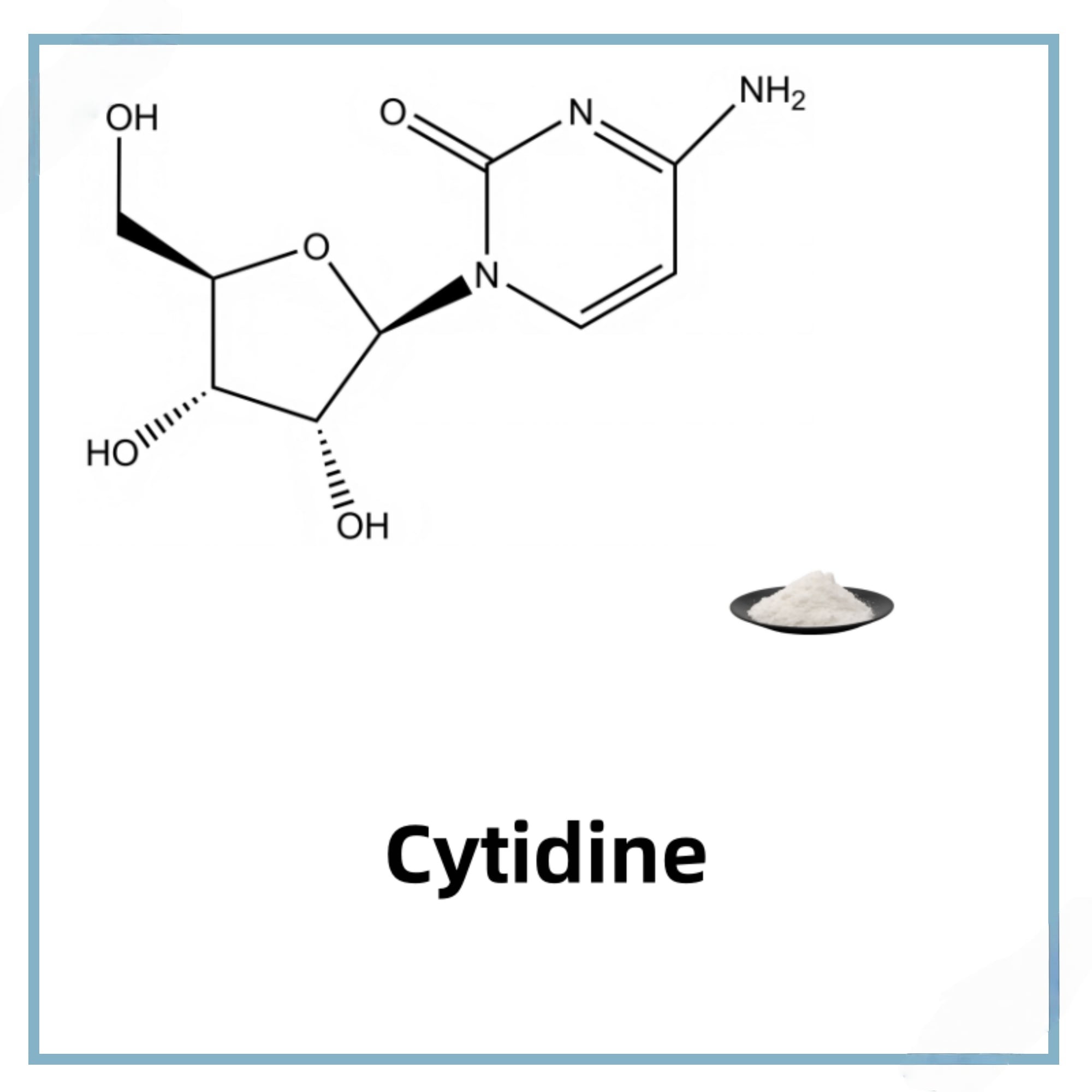
Cytidine<br alt=CAS 65-46-3" loading="lazy" > VIEW DETAILS
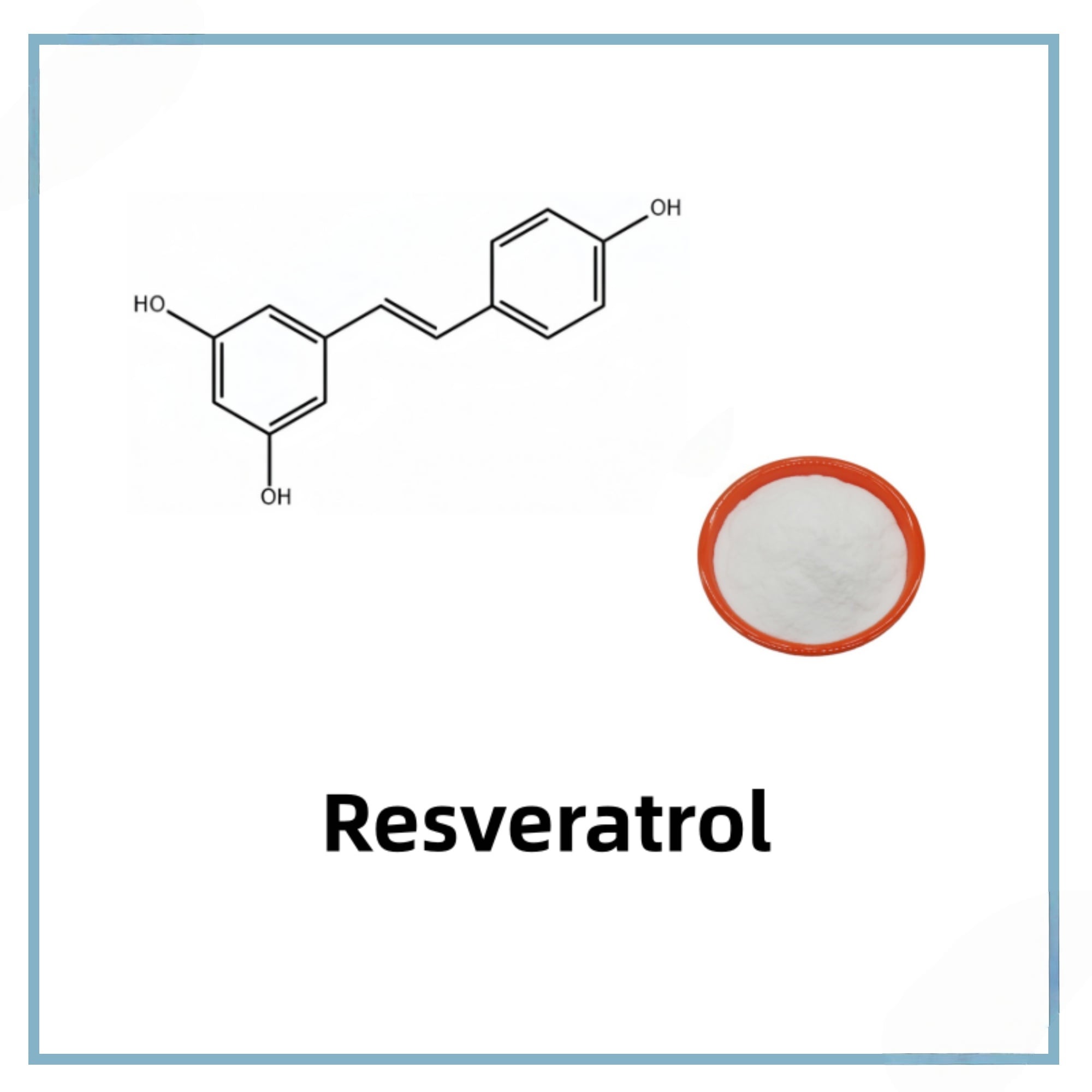
Resveratrol<br alt=CAS 501-36-0" loading="lazy" > VIEW DETAILS
The main advantage of CAS 533-67-5 is purchasing clarity. A precise identifier reduces the risk of ordering a similar-looking material with different chemistry or performance. When a buyer specifies CAS 533-67-5 on an inquiry, the supplier can match the request against manufacturing records, quality documents, and inventory systems more efficiently. This saves time during sourcing and supports cleaner communication between procurement, research, production, and quality teams. CAS 533-67-5 also supports repeatable operations. Once a suitable grade has passed testing, the customer can link that grade to a defined specification, approved supplier, and accepted process window. This makes future purchasing more predictable and helps reduce variation between batches. For manufacturers, CAS 533-67-5 can therefore support stable product development, easier troubleshooting, and more reliable production planning. Another practical benefit is application screening. A supplier can use the CAS 533-67-5 request to recommend suitable purity, physical form, packaging, and handling conditions for the intended use. That guidance helps customers avoid paying for an unnecessary premium grade or selecting a form that is difficult to feed, dissolve, disperse, or store. CAS 533-67-5 may suit development work as well as commercial production because buyers can begin with samples, compare performance, and then move toward a regular supply program. Documentation also adds value. A current certificate, safety data sheet, and technical specification help teams review quality, transport, workplace handling, and regulatory requirements before commitment. Customers should still confirm actual function through testing, because supplier grades can differ. The most useful buying decision considers identity, assay, impurities, moisture, appearance, shelf life, lead time, minimum order quantity, and technical support. In practical terms, CAS 533-67-5 gives customers a clear starting point for qualification, controlled sourcing, and long-term supply planning.

Practical Tips

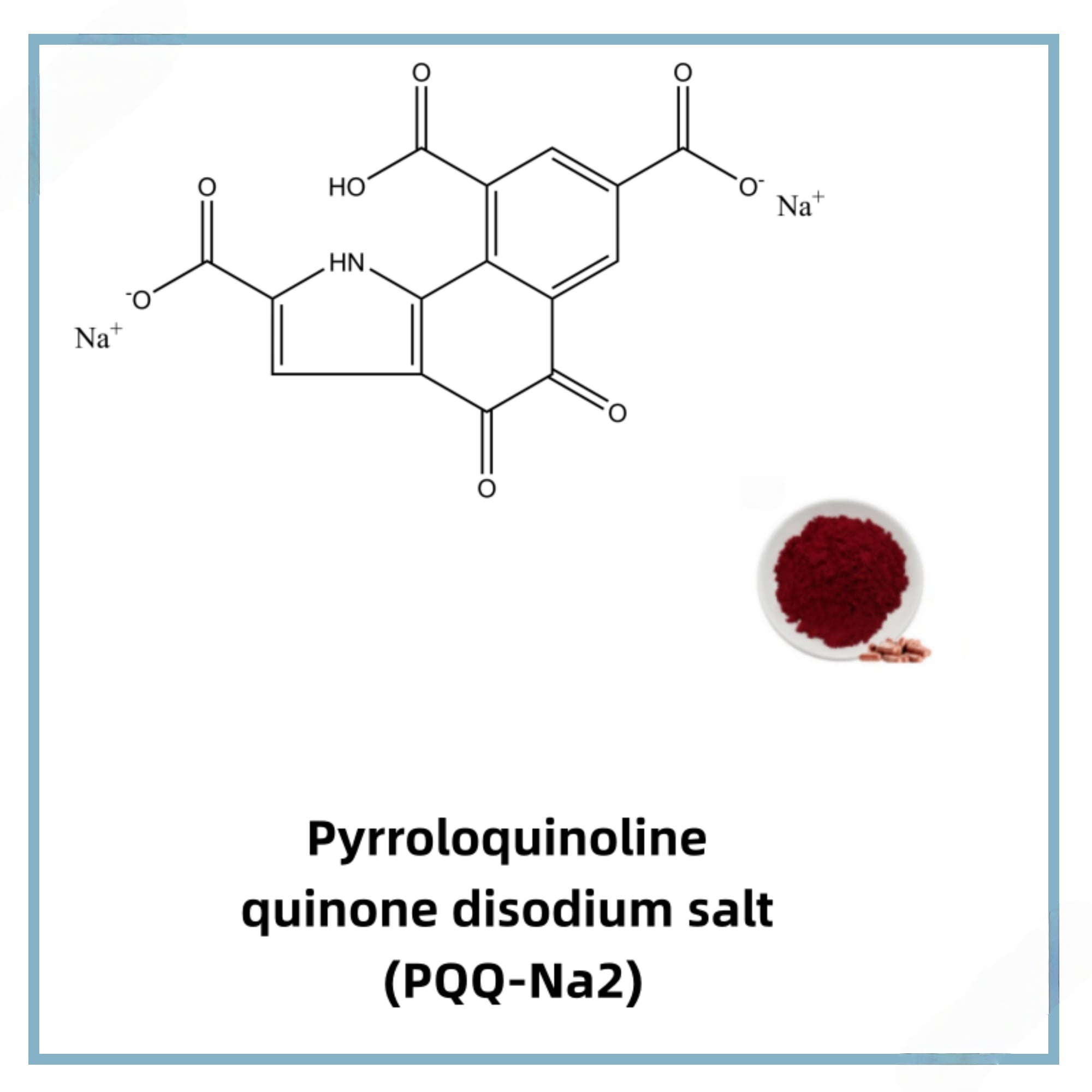
Cellular Empowerment Enters a New Era: How Pyrroloquinoline Quinone Disodium Salt (PQQ-Na2) Is Driving the Rise of Mitochondrial Anti-Aging

22

Jul

Cellular Empowerment Enters a New Era: How Pyrroloquinoline Quinone Disodium Salt (PQQ-Na2) Is Driving the Rise of Mitochondrial Anti-Aging

The global healthy aging industry is undergoing a profound transformation. As scientific understanding of cellular biology continues to advance, consumers are no longer satisfied with traditional antioxidant solutions alone. Instead, attention is shifting toward technologies that support cellular regeneration, mitochondrial function, and long-term vitality.
View More
2-Deoxy-D-Ribose Sourcing for Enzyme Production Scales

30

Sep

2-Deoxy-D-Ribose Sourcing for Enzyme Production Scales

Struggling with 2-Deoxy-D-Ribose supply gaps as enzyme production scales? Discover purity, volume, and supplier criteria that prevent delays & ensure GMP-aligned quality. Get your sourcing checklist now.
View More

Get a Free Quote

Our representative will contact you soon.
Email
Name
Company Name
Message
0/1000

cas 533-67-5

Clear Identity for Confident Sourcing

Clear Identity for Confident Sourcing

CAS 533-67-5 gives purchasing teams a precise reference when a product may be sold under multiple commercial names. That clarity matters because similar labels can represent different substances, grades, or concentrations. By placing CAS 533-67-5 on a request for quotation, buyers create a common reference for the supplier, laboratory, warehouse, and quality department. The identifier also helps teams compare offers without judging products only by price or marketing language. A reliable supplier should connect CAS 533-67-5 with a certificate of analysis, safety data sheet, specification, and lot number. This document trail supports incoming inspection and makes it easier to investigate a performance change. For customers qualifying a new source, CAS 533-67-5 provides a practical foundation for sample approval and supplier comparison. It does not replace technical testing, but it reduces avoidable confusion at the start of the process. The result is faster communication, stronger traceability, and greater confidence that the material ordered matches the material evaluated.
Consistent Performance Across Production

Consistent Performance Across Production

A major value of CAS 533-67-5 is the opportunity to control the raw material more consistently from development through full-scale manufacturing. When a buyer defines the required grade, assay range, moisture limit, appearance, and packaging, CAS 533-67-5 becomes part of a repeatable purchasing standard rather than a loose product description. That standard helps operators work with a known input and gives quality staff clear acceptance criteria. It can also simplify root-cause analysis if a batch behaves differently, because the team can review lot data, storage history, and process conditions against the approved specification. For formulators, CAS 533-67-5 may make trial planning more efficient by providing a stable reference material for side-by-side tests. Customers can compare suppliers on actual performance, delivery reliability, and documentation quality. This approach supports better production decisions, reduces unnecessary requalification, and improves confidence in finished goods. The benefit is especially useful where small raw-material changes can affect appearance, viscosity, adhesion, reaction behavior, or durability.
Flexible Fit for Technical Applications

Flexible Fit for Technical Applications

CAS 533-67-5 can support different customer needs when the supplier offers suitable grades and practical technical guidance. Depending on the verified chemistry and specification, CAS 533-67-5 may be evaluated for specialty formulations, coatings, polymer processing, adhesives, laboratory work, or other controlled industrial uses. The key benefit is not an untested promise of universal compatibility; it is the ability to screen the material against a defined application. Buyers can request a sample, review safety information, run a small trial, and measure the properties that matter to their process. Those properties may include mixing behavior, solubility, dispersion, reaction response, surface finish, storage stability, or final product strength. CAS 533-67-5 also gives technical teams a stable reference for comparing alternative materials and adjusting a formulation with less uncertainty. Clear application screening helps prevent costly scale-up problems. By combining the identifier with test data, handling advice, and supply information, customers can decide whether the material is appropriate for their equipment, production volume, and quality targets.
Call
+86-18265650337
WhatsApp
CAS 533-67-5 Guide: Uses and Benefits
Email Inquiry

Get a Free Quote

Our representative will contact you soon.
Email
Name
Company Name
Message
0/1000