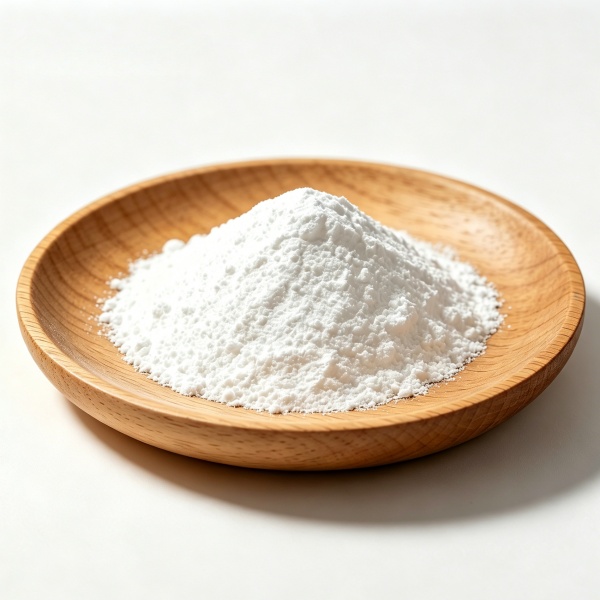
Adenosine Cosmetic Ingredient Benefits

All Categories

adenosine cosmetic ingredient

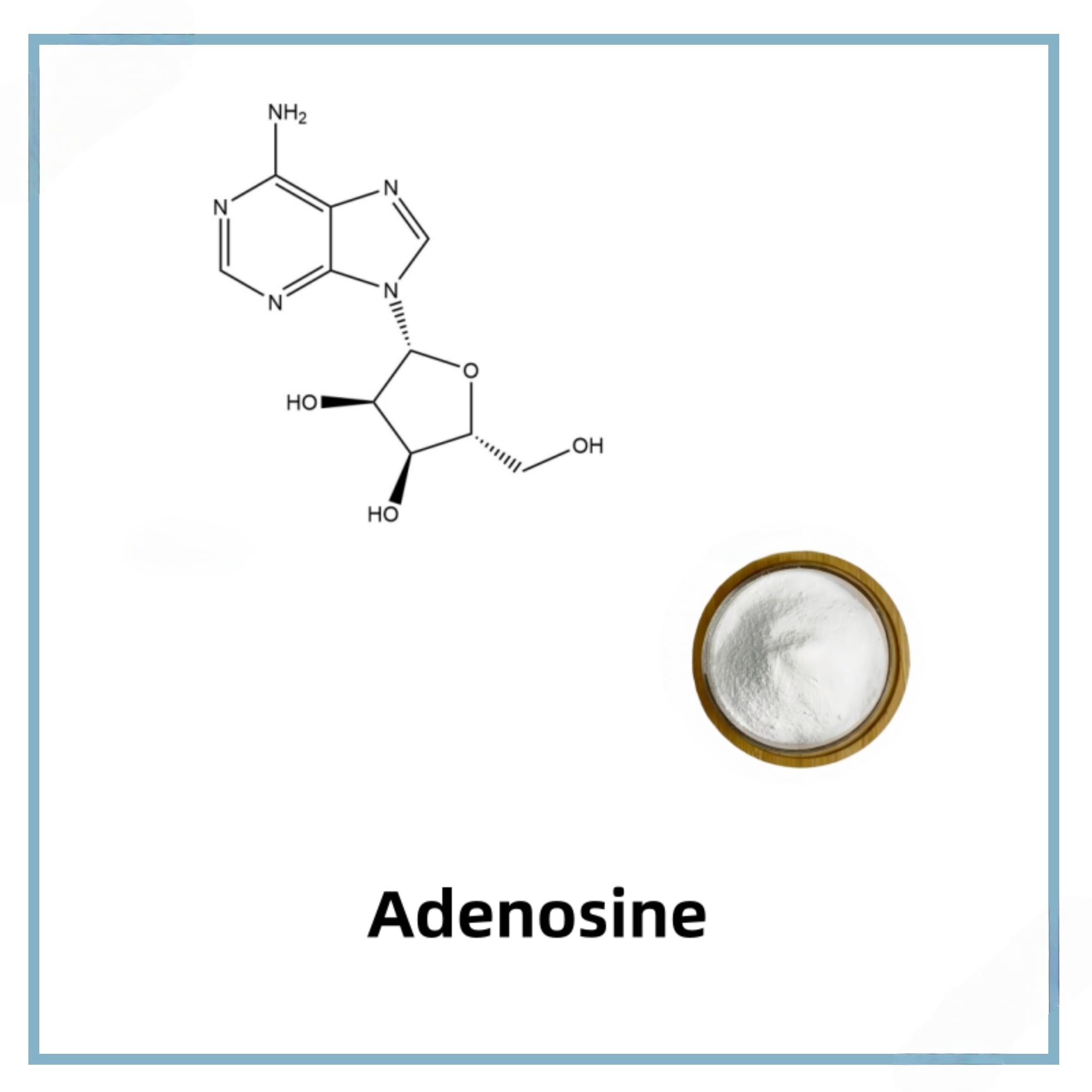
The adenosine cosmetic ingredient is a biotechnology-derived active used in skincare formulas designed to improve the visible signs of aging. Adenosine is a naturally occurring compound found in living cells, and cosmetic manufacturers value it because it supports a smoother, fresher, and more rested appearance. As an adenosine cosmetic ingredient, it is commonly included in creams, serums, eye products, masks, and professional-use preparations. The adenosine cosmetic ingredient mainly helps soften the look of fine lines, improve the appearance of skin texture, and support a more even-looking surface. It also helps skin look more comfortable and revitalized when dryness or environmental stress makes the complexion appear dull. From a formulation perspective, the adenosine cosmetic ingredient usually works at low use levels, which allows brands to add a focused skin-conditioning benefit without heavily changing the product texture. Suppliers may offer it as a fine powder or as a prepared solution, depending on the required manufacturing process. The adenosine cosmetic ingredient can suit water-based and emulsion systems when formulators follow supplier guidance on pH, temperature, solubility, and preservation. Its straightforward profile makes the adenosine cosmetic ingredient useful for daily anti-aging, firming, soothing, and appearance-renewing concepts. It can also work beside moisturizers, peptides, botanical extracts, vitamins, and sunscreen ingredients. For buyers, the adenosine cosmetic ingredient offers a recognizable active story, broad product flexibility, and a practical way to build premium skincare claims around smoother-looking skin and visible rejuvenation.

New Products

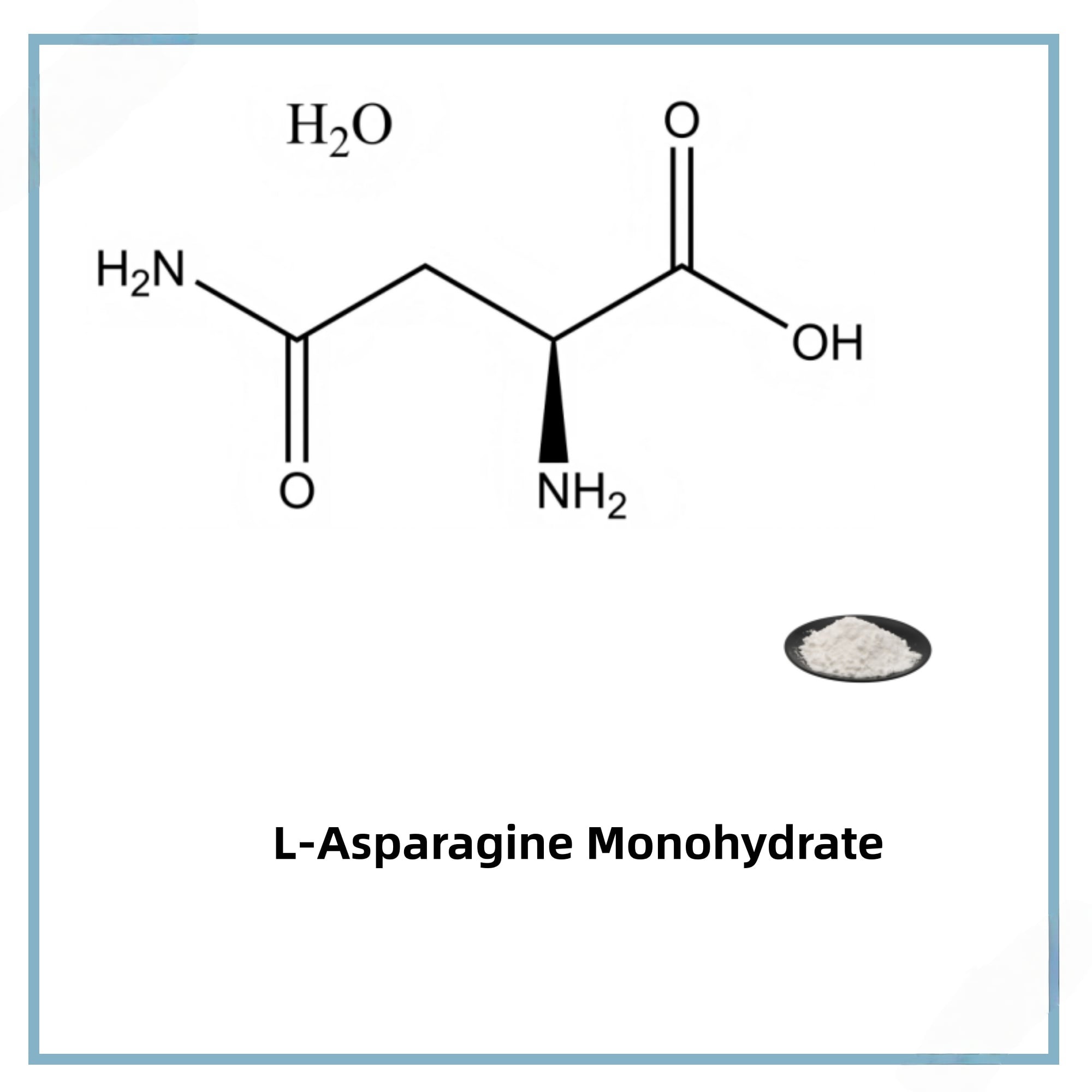
L-Asparagine Monohydrate<BR alt=CAS 5794-13-8" loading="lazy" > VIEW DETAILS
L-Asparagine Anhydrous<br alt=CAS 70-47-3" loading="lazy" > VIEW DETAILS
Adenosine<br alt=CAS 58-61-7" loading="lazy" > VIEW DETAILS
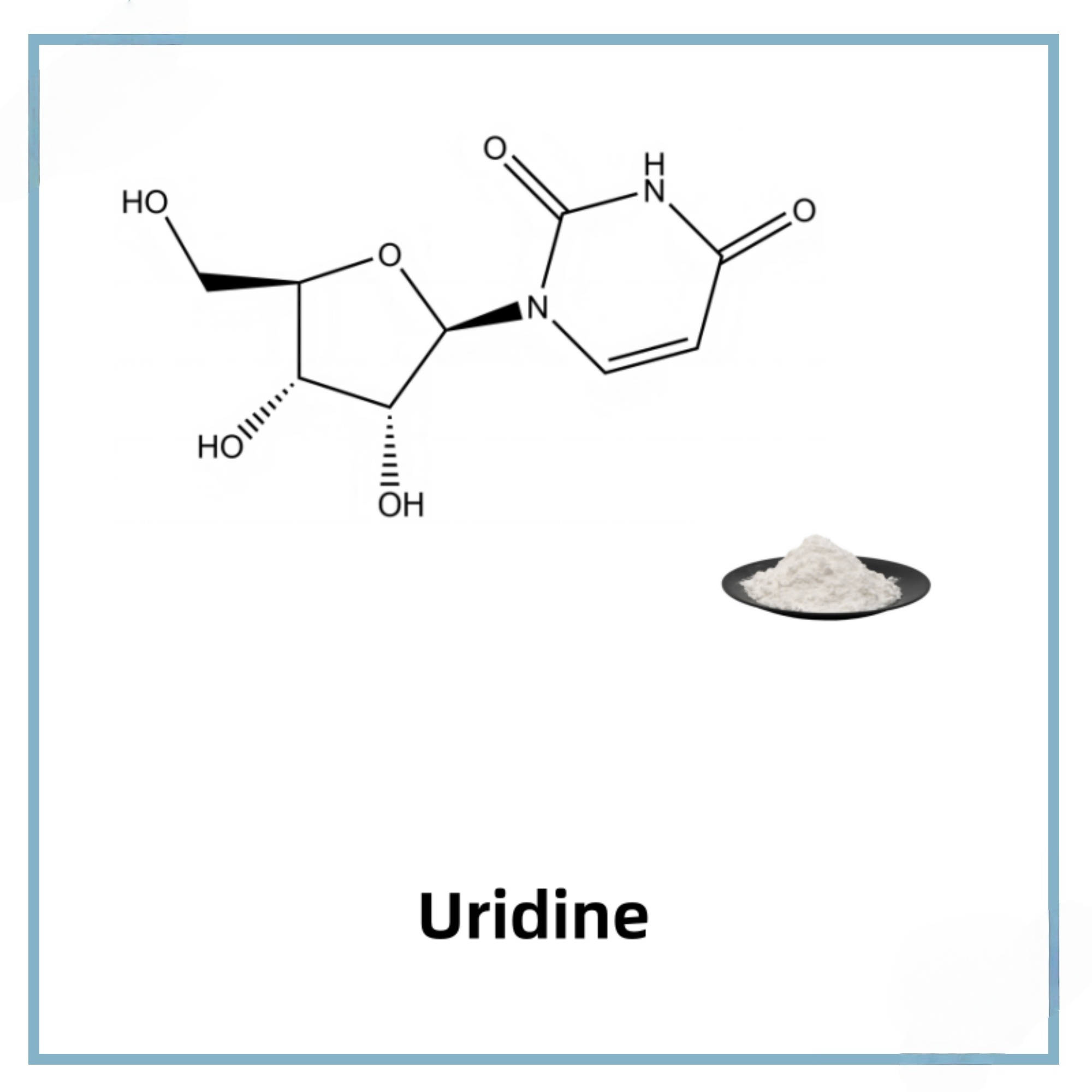
Uridine<br alt=CAS NO.58-96-8" loading="lazy" > VIEW DETAILS
Choosing an adenosine cosmetic ingredient can give a skincare brand a clear and practical route to stronger anti-aging positioning. The adenosine cosmetic ingredient helps products target visible fine lines and tired-looking skin, so a brand can communicate benefits that shoppers understand quickly. Because consumers often seek smoother texture and a refreshed appearance, the adenosine cosmetic ingredient fits daily skincare, premium treatments, and simple routine products. The adenosine cosmetic ingredient can support a concise ingredient story without requiring a complicated product concept. This helps marketing teams build focused claims around skin renewal, line smoothing, and a more youthful appearance, subject to proper testing and local regulations. From an operations viewpoint, the adenosine cosmetic ingredient is useful because it can be incorporated into several product formats. A supplier may provide powder or liquid grades, allowing manufacturers to select a format that matches their equipment, batch size, and handling preferences. The adenosine cosmetic ingredient can also complement humectants, emollients, peptides, and soothing agents, which gives formulators room to create different textures and price points. When the adenosine cosmetic ingredient is supplied with clear technical documents, buyers can review recommended dosage, storage, solubility, and stability information before production. That reduces trial-and-error work and helps teams plan pilot batches more efficiently. The adenosine cosmetic ingredient suits face creams, eye gels, intensive serums, overnight masks, and salon-oriented formulas, making one active relevant across a product range. Buyers should still confirm compatibility, preserve the finished product correctly, and test performance in the final formula. Overall, the adenosine cosmetic ingredient combines consumer-friendly positioning with manageable processing and broad application suitability. It can help a brand create differentiated skincare while keeping formulation decisions practical, scalable, and commercially focused.

Latest News

2-Deoxy-D-Ribose Supplier for Pharmaceutical Synthesis

30

Sep

2-Deoxy-D-Ribose Supplier for Pharmaceutical Synthesis

Need a reliable 2-deoxy-D-ribose supplier for nucleoside synthesis? Discover purity benchmarks, GMP compliance, anomeric control & regulatory docs—choose wisely. Request supplier evaluation checklist.
View More

Get a Free Quote

Our representative will contact you soon.
Email
Name
Company Name
Message
0/1000

adenosine cosmetic ingredient

Visible Smoothing Support for Premium Skincare

Visible Smoothing Support for Premium Skincare

A key selling point of the adenosine cosmetic ingredient is its role in formulas created for smoother-looking, more refreshed skin. The adenosine cosmetic ingredient gives brands a focused active to discuss when shoppers want to reduce the visible impression of fine lines and fatigue. Rather than relying only on a general moisturizing message, a formula containing the adenosine cosmetic ingredient can support a more specific appearance-renewing story. The adenosine cosmetic ingredient works well in facial creams, targeted serums, and eye-care products where consumers pay close attention to texture and expression lines. It also fits premium positioning because buyers associate a researched active with a more purposeful skincare experience. For finished-product developers, the adenosine cosmetic ingredient can be paired with hydration agents and barrier-support ingredients to create a complete routine benefit. This combination helps a product feel useful every day, while the active provides a clear reason for purchase. The adenosine cosmetic ingredient therefore supports both consumer appeal and stronger shelf communication.
Flexible Formulation and Product Development

Flexible Formulation and Product Development

The formulation flexibility of the adenosine cosmetic ingredient helps manufacturers use one active across several skincare concepts. The adenosine cosmetic ingredient can be considered for creams, lotions, emulsions, gels, masks, and concentrated treatments, allowing brands to extend a successful ingredient platform into multiple products. Depending on supplier format, the adenosine cosmetic ingredient may be available as a powder or liquid preparation, giving production teams more choice during weighing, dispersion, and batching. The adenosine cosmetic ingredient can work alongside moisturizers, peptides, antioxidants, botanical materials, and calming ingredients when the finished formula receives proper compatibility testing. This flexibility supports product lines with different textures, price levels, and consumer targets. A well-documented adenosine cosmetic ingredient also helps the formulator review recommended use levels, storage conditions, pH guidance, and processing limits before scale-up. These details can shorten development time and reduce avoidable batch problems. The adenosine cosmetic ingredient is especially valuable when a brand wants one recognizable active to support several launches without creating an entirely new technical process.
Reliable Value for Brand and Manufacturing Teams

Reliable Value for Brand and Manufacturing Teams

The adenosine cosmetic ingredient offers value beyond its consumer-facing skin benefits. For a brand team, the adenosine cosmetic ingredient provides a recognizable name that can strengthen an anti-aging or skin-renewal concept when claims are supported by suitable evidence. For a purchasing team, the adenosine cosmetic ingredient can become a repeat-use component across several formulas, which may simplify supplier management and ingredient planning. For a formulator, the adenosine cosmetic ingredient offers a focused active that can be combined with familiar supporting materials rather than requiring a complete product redesign. Clear technical support from the supplier makes the adenosine cosmetic ingredient easier to assess for quality, storage, testing, and production readiness. The adenosine cosmetic ingredient also suits brands serving different markets because it can appear in everyday facial care, targeted eye care, and professional-style treatments. By selecting the right grade and confirming final formula stability, companies can balance performance goals with manufacturing practicality. The adenosine cosmetic ingredient therefore delivers a useful mix of marketing strength, application breadth, and operational control.
Call
+86-18265650337
WhatsApp
Adenosine Cosmetic Ingredient Benefits
Email Inquiry

Get a Free Quote

Our representative will contact you soon.
Email
Name
Company Name
Message
0/1000