beta nadh
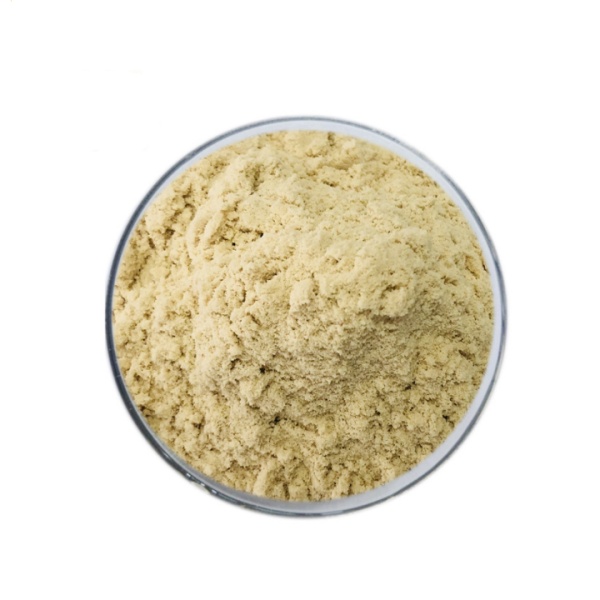
beta nadh is a reduced form of nicotinamide adenine dinucleotide, a coenzyme that helps cells and laboratory systems move electrons during energy-producing reactions. Unlike oxidized NAD+, beta nadh provides electrons directly, making it useful in enzyme research, metabolic studies, diagnostics, biotechnology, and cell-free reaction design. For beta nadh buyers, the key value is dependable support for reactions that need a controlled reducing environment. beta nadh supports oxidation-reduction pathways by donating hydrogen or electrons to compatible enzymes and substrates. In beta nadh formulations, purity, concentration, stability, and packaging determine how consistently the material performs. beta nadh can be supplied as a research-grade powder, solution, or prepared formulation, depending on the intended workflow. A beta nadh solution may simplify liquid handling, while a dry format can support longer storage and flexible dosing when properly protected from heat, light, oxygen, and moisture. beta nadh works with dehydrogenases, redox enzymes, biosensors, and enzyme-based analytical systems. When beta nadh is included in a reaction, it can help maintain cofactor availability and improve repeatability across tests. beta nadh also fits cell-free manufacturing, protein engineering, fermentation studies, and assay development. Choosing beta nadh requires attention to grade, assay value, storage guidance, batch documentation, and compatibility with the target enzyme. These details help laboratories select a practical format instead of focusing only on unit price. Overall, beta nadh offers a direct, versatile way to support electron-transfer chemistry in controlled technical applications.

 EN
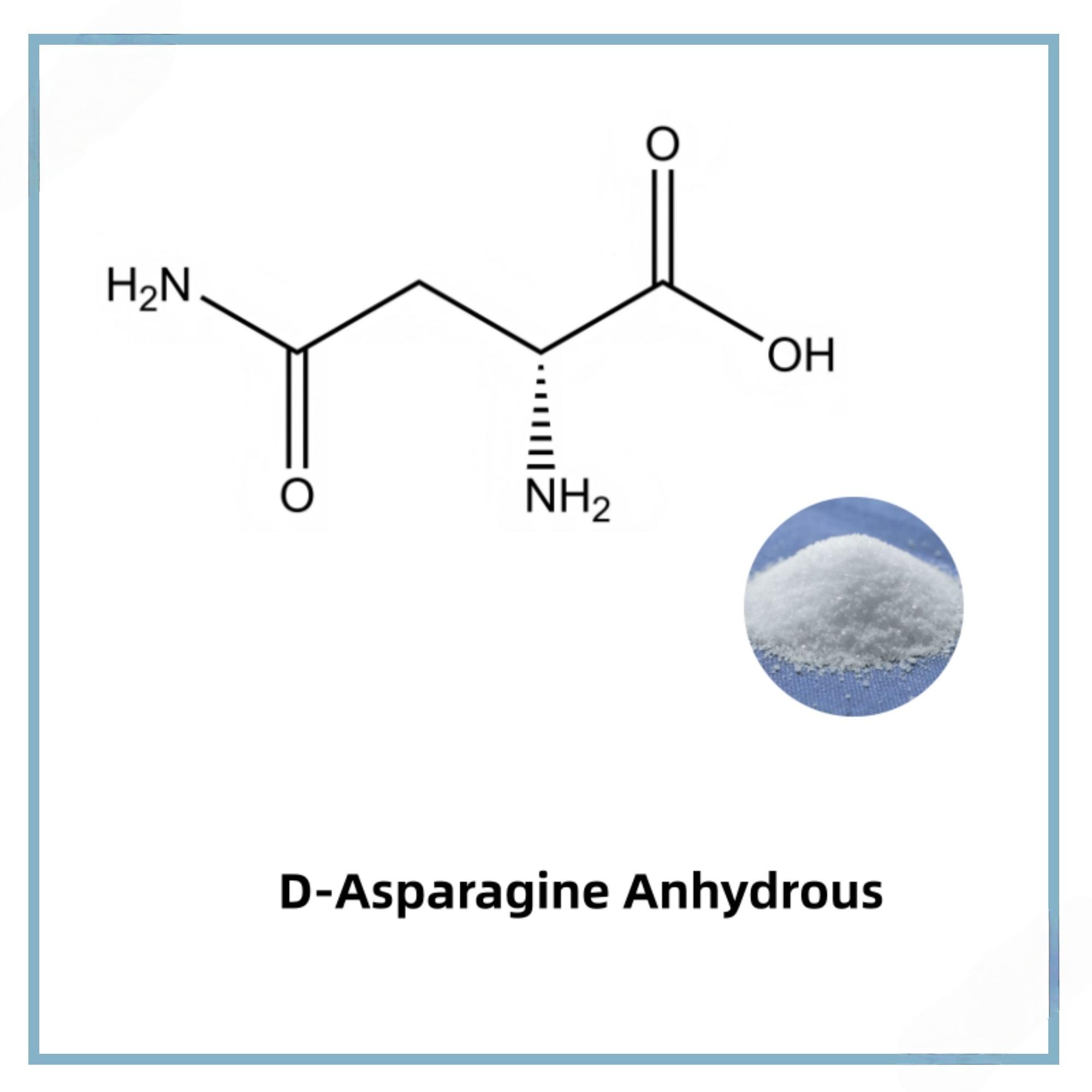 CAS 2058-58-4"
loading="lazy"
>
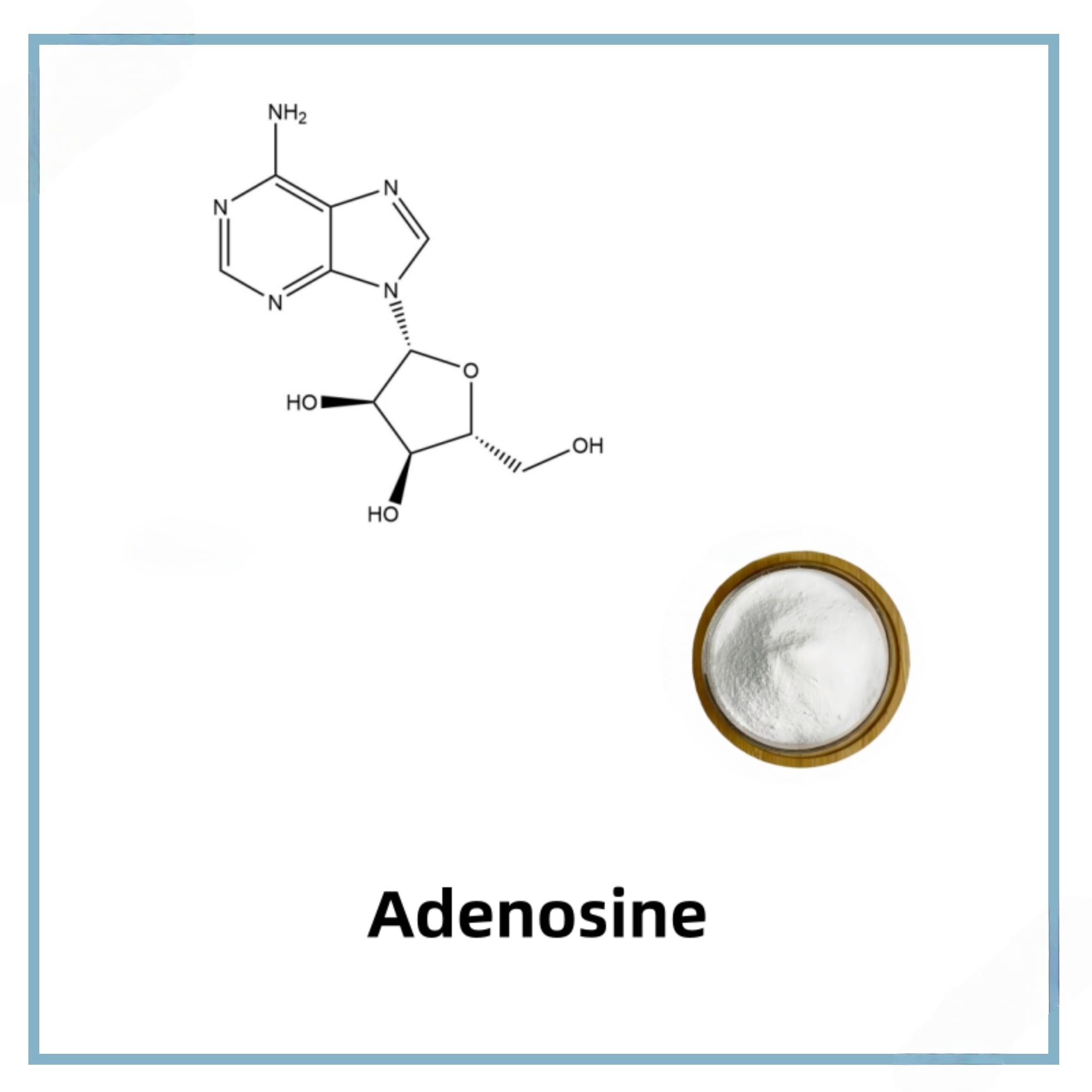 CAS 58-61-7"
loading="lazy"
>
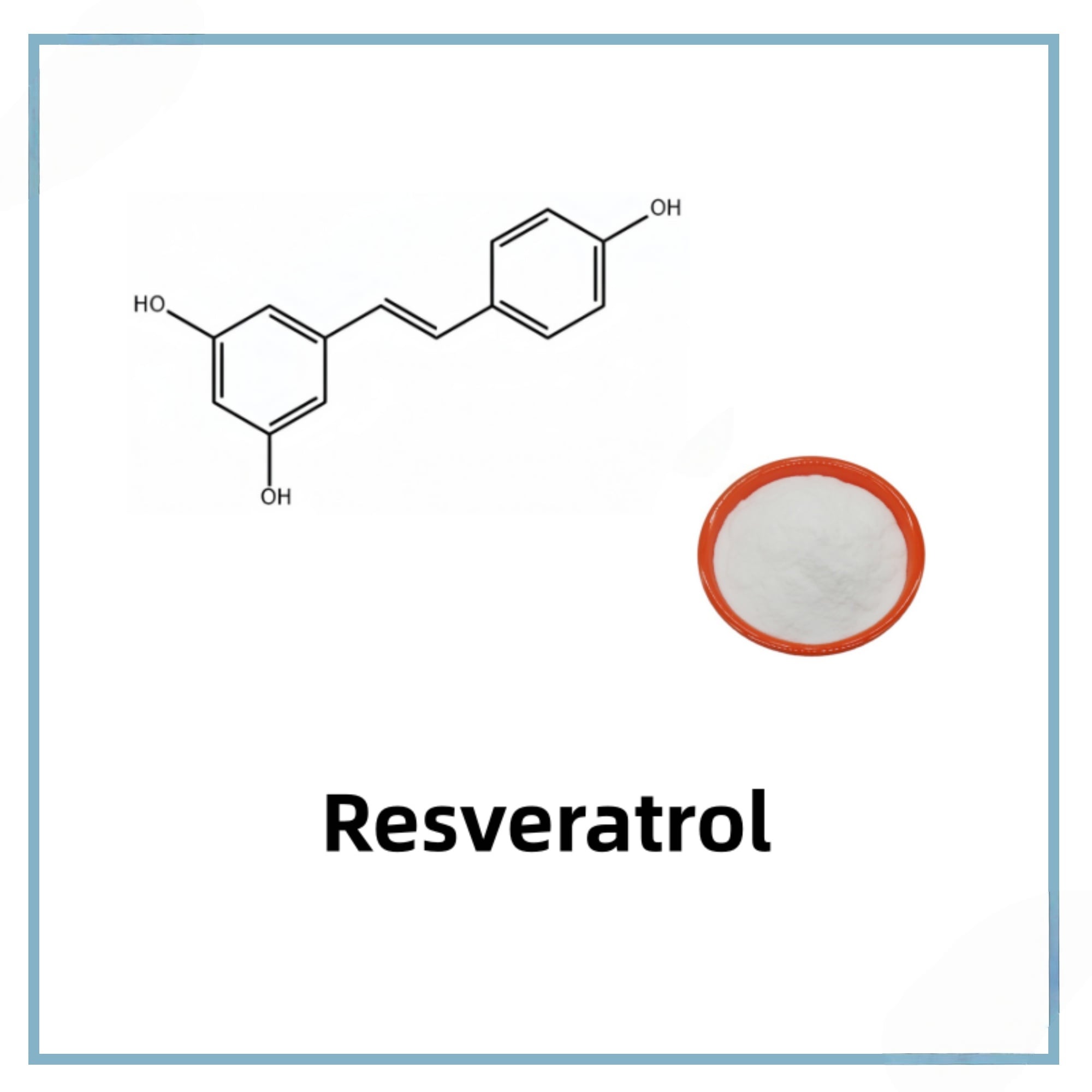 CAS 501-36-0"
loading="lazy"
>
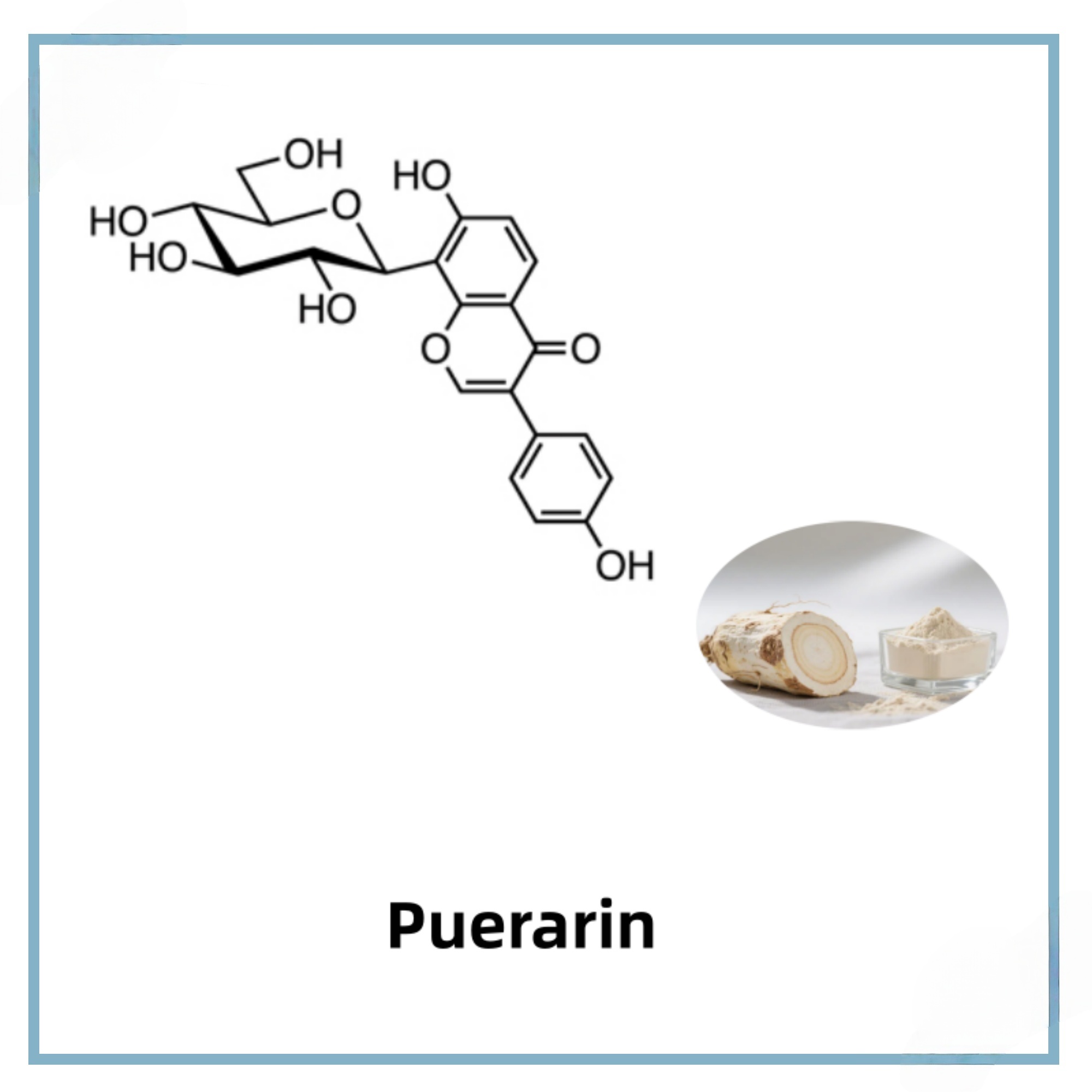 CAS 3681-99-0"
loading="lazy"
>