Creatine Monohydrate Ingredient Guide

All Categories

creatine monohydrate ingredient

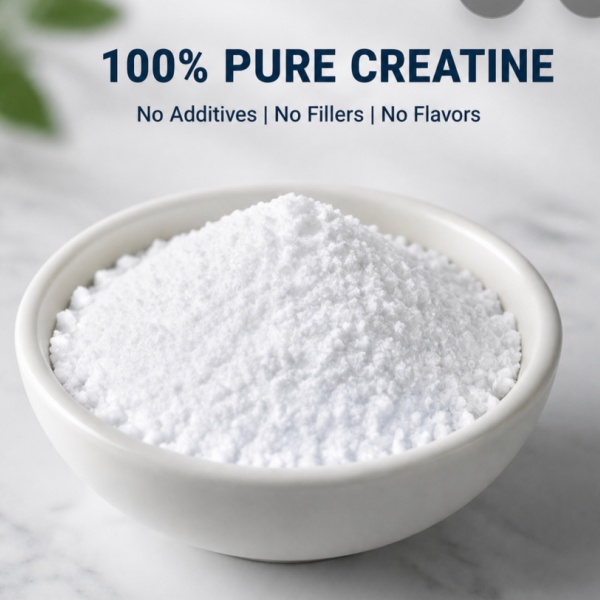
The creatine monohydrate ingredient is a widely used nutritional compound designed to support short bursts of physical performance, strength, and training recovery. The creatine monohydrate ingredient supplies creatine, which the body stores mainly in muscle cells as phosphocreatine. During intense activity, phosphocreatine helps regenerate adenosine triphosphate, the energy source muscles use for quick effort. This makes the creatine monohydrate ingredient suitable for sports drinks, powder blends, capsules, tablets, and ready-to-mix products. As a creatine monohydrate ingredient, it usually appears as a fine, white powder with a neutral taste and good compatibility with water, juice, smoothies, and dry formulations. Its simple composition supports consistent dosing across batches. The creatine monohydrate ingredient also offers a practical balance of performance value, manufacturing convenience, and broad consumer recognition. Product developers can use the creatine monohydrate ingredient in pre-workout formulas, post-workout recovery products, daily sports nutrition powders, and active lifestyle supplements. The creatine monohydrate ingredient works well in products intended for strength training, sprinting, interval exercise, team sports, and repeated high-intensity sessions. In a finished formula, the creatine monohydrate ingredient can be combined with protein, carbohydrates, electrolytes, amino acids, vitamins, or flavor systems. It is not a stimulant, so it does not provide caffeine-like alertness. Instead, the creatine monohydrate ingredient supports the muscle energy system through regular use. Buyers typically select the creatine monohydrate ingredient when they need a familiar, scalable, easy-to-dose material with strong application flexibility. Quality specifications commonly address identity, purity, particle size, moisture, microbiological status, and packaging protection. These factors help manufacturers deliver reliable products while supporting clear, customer-friendly positioning.

New Product Releases

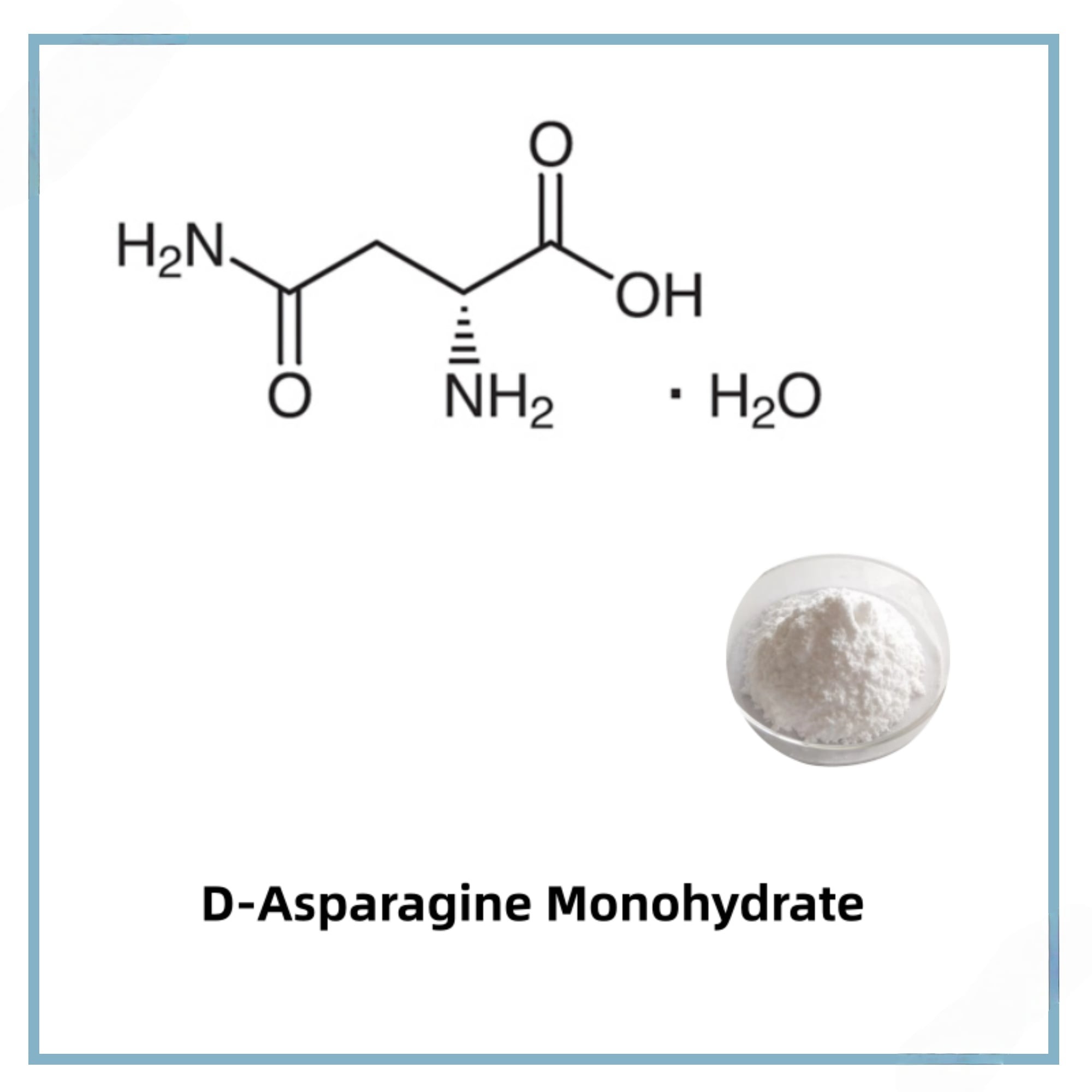
D-Asparagine Monohydrate <br alt=CAS 5794-24-1" loading="lazy" > VIEW DETAILS
L-Prolinamide<br alt=CAS 7531-52-4" loading="lazy" > VIEW DETAILS
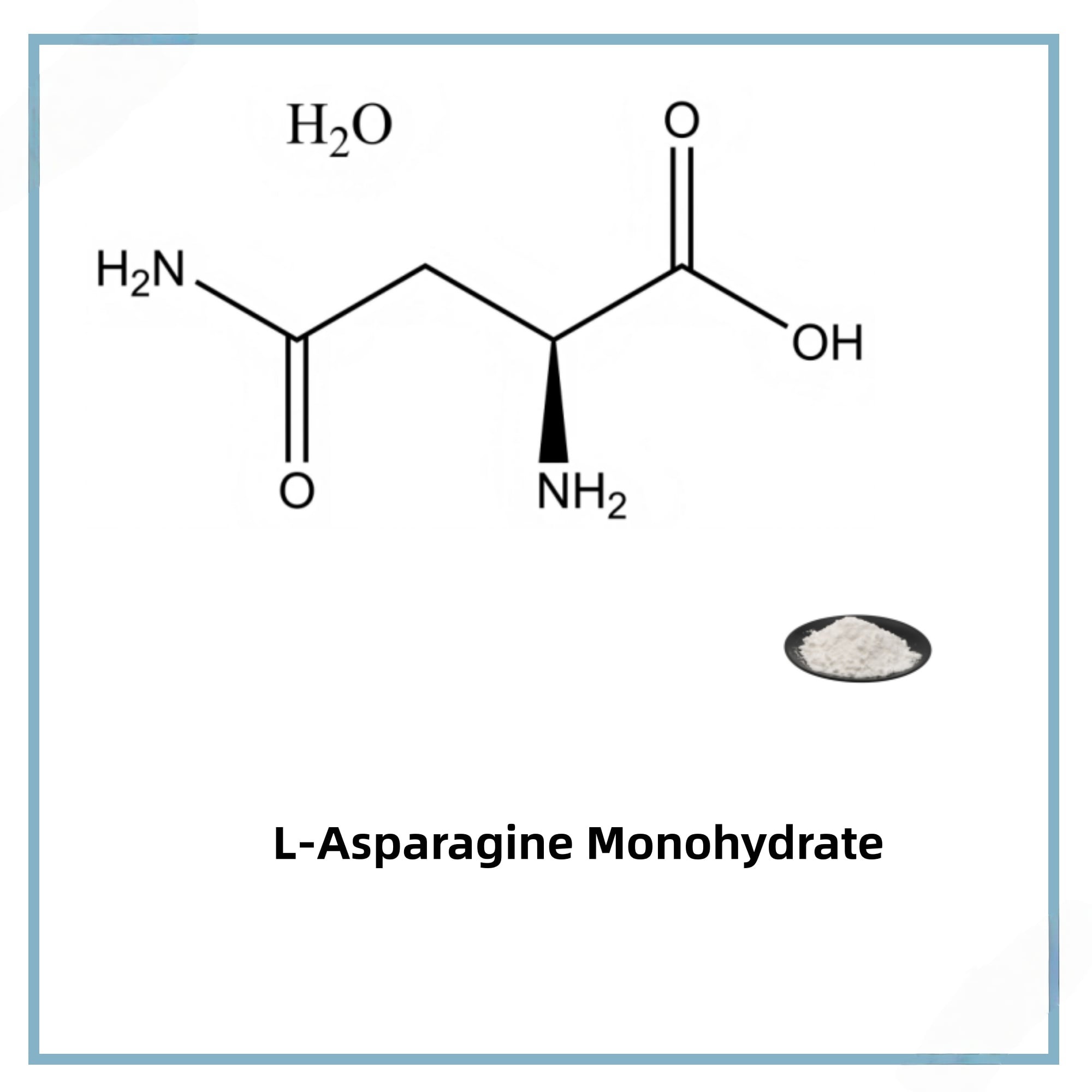
L-Asparagine Monohydrate<BR alt=CAS 5794-13-8" loading="lazy" > VIEW DETAILS
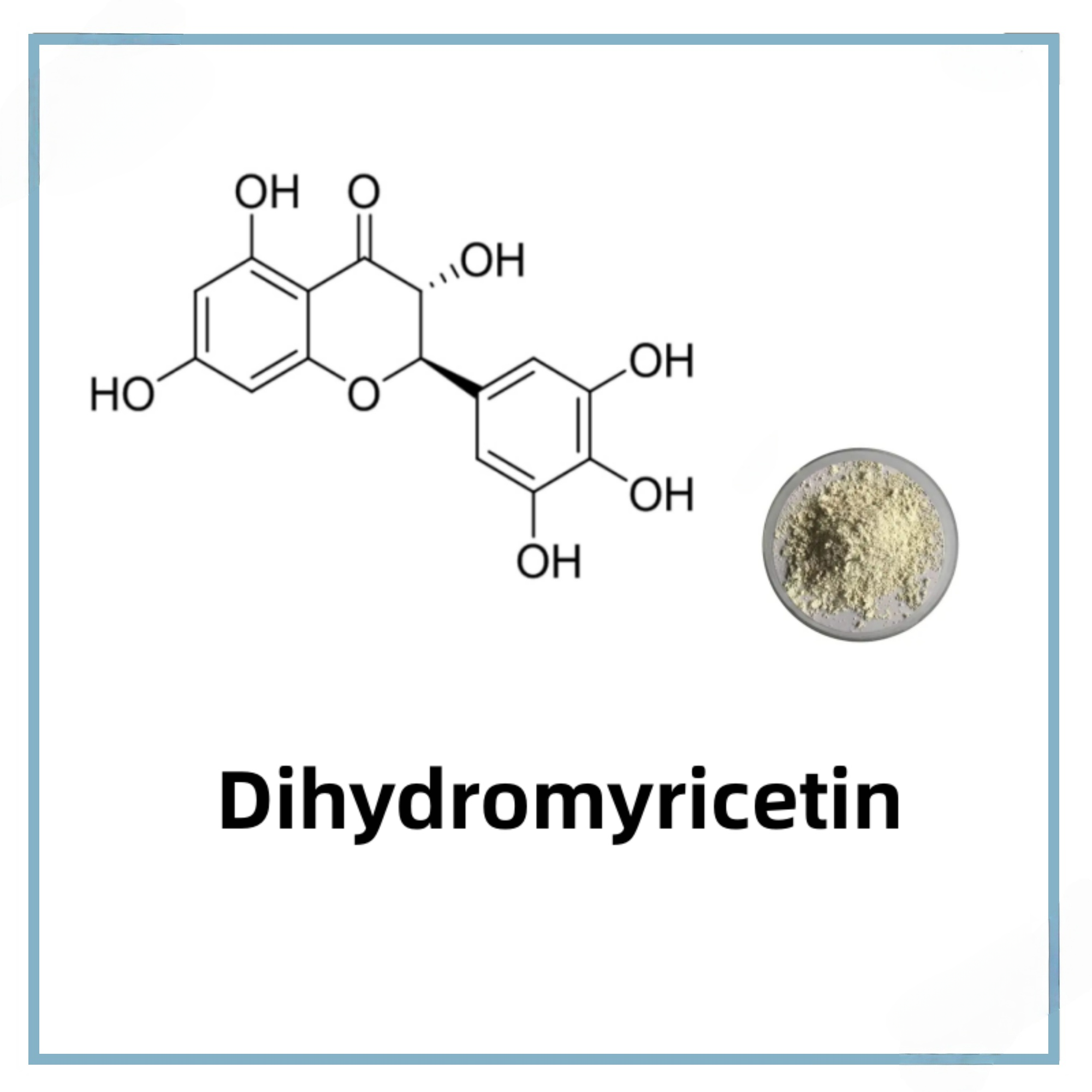
Dihydromyricetin<br alt=CAS 27200-12-0" loading="lazy" > VIEW DETAILS
The main advantage of the creatine monohydrate ingredient is its clear customer value: it helps support repeated high-intensity effort without relying on stimulants. For athletes and active consumers, the creatine monohydrate ingredient can support strength-focused training, power output, and performance consistency when used as part of a suitable diet and exercise plan. The creatine monohydrate ingredient also gives brands a familiar product story that is easy to explain on labels, websites, and sales materials. From an operational viewpoint, the creatine monohydrate ingredient is simple to weigh, blend, fill, and package. Its dry powder format fits tubs, sachets, capsules, tablets, and single-serve stick packs. The creatine monohydrate ingredient can support efficient production because manufacturers can build it into many formula types without requiring a complex process. The creatine monohydrate ingredient is also useful for private-label products, sports brands, gym channels, online retailers, and nutrition distributors. Application suitability is broad. The creatine monohydrate ingredient fits unflavored formulas when brands want a clean base, while flavored systems can mask its mild powder character. It can appear in daily maintenance products, workout mixes, recovery blends, and performance-focused formulas. Buyers can compare the creatine monohydrate ingredient through practical specifications such as assay, moisture level, solubility, particle size, testing documents, origin, and supply capacity. This helps purchasing teams choose material that matches their quality expectations and production scale. The creatine monohydrate ingredient can also simplify product planning because one recognized raw material serves multiple formats. Consistent supply, suitable packaging, and clear batch documentation further improve manufacturing confidence. For consumers, the creatine monohydrate ingredient offers a straightforward way to add a researched performance nutrient to a routine. For brands, the creatine monohydrate ingredient combines recognizable demand with flexible formulation use and manageable handling requirements.

Latest News

Liposomal Vitamin C: Benefits, Mechanisms, and Formulation Guides

26

Sep

Liposomal Vitamin C: Benefits, Mechanisms, and Formulation Guides

A guide to liposomal vitamin C for supplement formulators, covering phospholipid delivery, ingredient formats, quality documents and raw material selection.
View More

Get a Free Quote

Our representative will contact you soon.
Email
Name
Company Name
Message
0/1000

creatine monohydrate ingredient

Recognized Support for High-Intensity Training

Recognized Support for High-Intensity Training

The creatine monohydrate ingredient stands out because it supports the energy demands of short, intense efforts. Muscles use stored phosphocreatine to help restore energy during activities such as lifting, sprinting, jumping, and interval training. This gives the creatine monohydrate ingredient a practical role in products aimed at strength and power users. For consumers, the benefit is easy to understand: regular use can complement training designed around repeated effort. The creatine monohydrate ingredient does not depend on a stimulant effect, which allows brands to position it for morning, afternoon, or evening routines. It can therefore serve customers who want performance support without caffeine. The creatine monohydrate ingredient also fits beginner and experienced user products, provided the finished product includes appropriate directions. This broad appeal can help a brand serve several customer groups with one dependable raw material. When supported by accurate claims, responsible usage guidance, and consistent quality, the creatine monohydrate ingredient becomes a strong foundation for performance nutrition ranges.
Flexible Format and Formulation Compatibility

Flexible Format and Formulation Compatibility

The creatine monohydrate ingredient offers strong format flexibility for manufacturers. Its powder form works in bulk containers, individual sachets, stick packs, capsules, and tablets, giving brands several routes to market. The creatine monohydrate ingredient can be used alone for a focused product or combined with protein, carbohydrate, electrolyte, amino acid, and vitamin systems. This flexibility helps product teams create different price points and serving styles without changing the core performance concept. The creatine monohydrate ingredient is especially suitable for unflavored products, where it allows consumers to mix the powder with water, juice, milk, or a smoothie. Flavor developers can also include the creatine monohydrate ingredient in fruit, citrus, berry, chocolate, or neutral profiles. For operations teams, the creatine monohydrate ingredient supports familiar dry blending and filling methods. Brands can use the same material across several products, which may simplify purchasing, inventory control, staff training, and production scheduling. The creatine monohydrate ingredient therefore offers useful commercial flexibility as well as formulation convenience.
Practical Quality and Supply Considerations

Practical Quality and Supply Considerations

The creatine monohydrate ingredient gives buyers clear points for evaluating quality and supply. A reliable specification can cover identity, assay, moisture, particle size, microbiological limits, heavy metals, packaging, and batch traceability. Reviewing these details helps manufacturers select the creatine monohydrate ingredient for their intended market, production equipment, and quality program. Particle size can influence handling, dispersion, and the overall feel of a finished powder, while moisture control can support storage stability. The creatine monohydrate ingredient should arrive in packaging that protects it from humidity and contamination during transport and warehousing. Buyers may also request certificates of analysis, testing records, allergen information, country of origin, and available certifications. These documents make the creatine monohydrate ingredient easier to approve internally and easier to support during customer inquiries. Supply capacity matters as well. A dependable source of creatine monohydrate ingredient can help brands maintain production schedules during seasonal demand. By balancing specification, documentation, lead time, packaging, and price, purchasing teams can choose the creatine monohydrate ingredient with greater confidence and reduce avoidable supply risk.
Call
+86-18265650337
WhatsApp
Creatine Monohydrate Ingredient Guide
Email Inquiry

Get a Free Quote

Our representative will contact you soon.
Email
Name
Company Name
Message
0/1000