Creatine Raw Material for Quality Products

All Categories

creatine raw material

Creatine raw material is a high-value ingredient used to produce sports nutrition products, functional foods, beverages, and selected research formulations. It supplies creatine, a naturally occurring compound involved in the rapid recycling of adenosine triphosphate, the energy source muscles use during short, intense activity. As a result, creatine raw material supports products designed for strength, power, training capacity, and recovery. This creatine raw material can be converted into powders, capsules, tablets, sachets, ready-to-mix drinks, and blended formulas. Manufacturers choose creatine raw material because it offers a consistent active base that can be combined with protein, amino acids, carbohydrates, electrolytes, or flavor systems. The most common form is creatine monohydrate, valued for its established use, practical handling, and broad market acceptance. Depending on the supply specification, creatine raw material may differ in particle size, assay, moisture, solubility, packaging, and quality documentation. These factors affect blending, filling, dispersion, and final product stability. Properly selected creatine raw material should meet defined purity requirements and support dependable batch-to-batch performance. Production teams can use creatine raw material in both direct-to-consumer supplements and contract manufacturing programs. It also fits private-label products, sports drink mixes, nutrition bars, and laboratory work that requires a controlled creatine source. The right creatine raw material helps buyers balance performance goals, processing needs, regulatory expectations, and target cost. Clear technical data, traceability, and suitable packaging further simplify purchasing and production planning. In practical terms, creatine raw material gives product developers a proven foundation for creating convenient, scalable, and market-ready energy support products.
New Product Releases

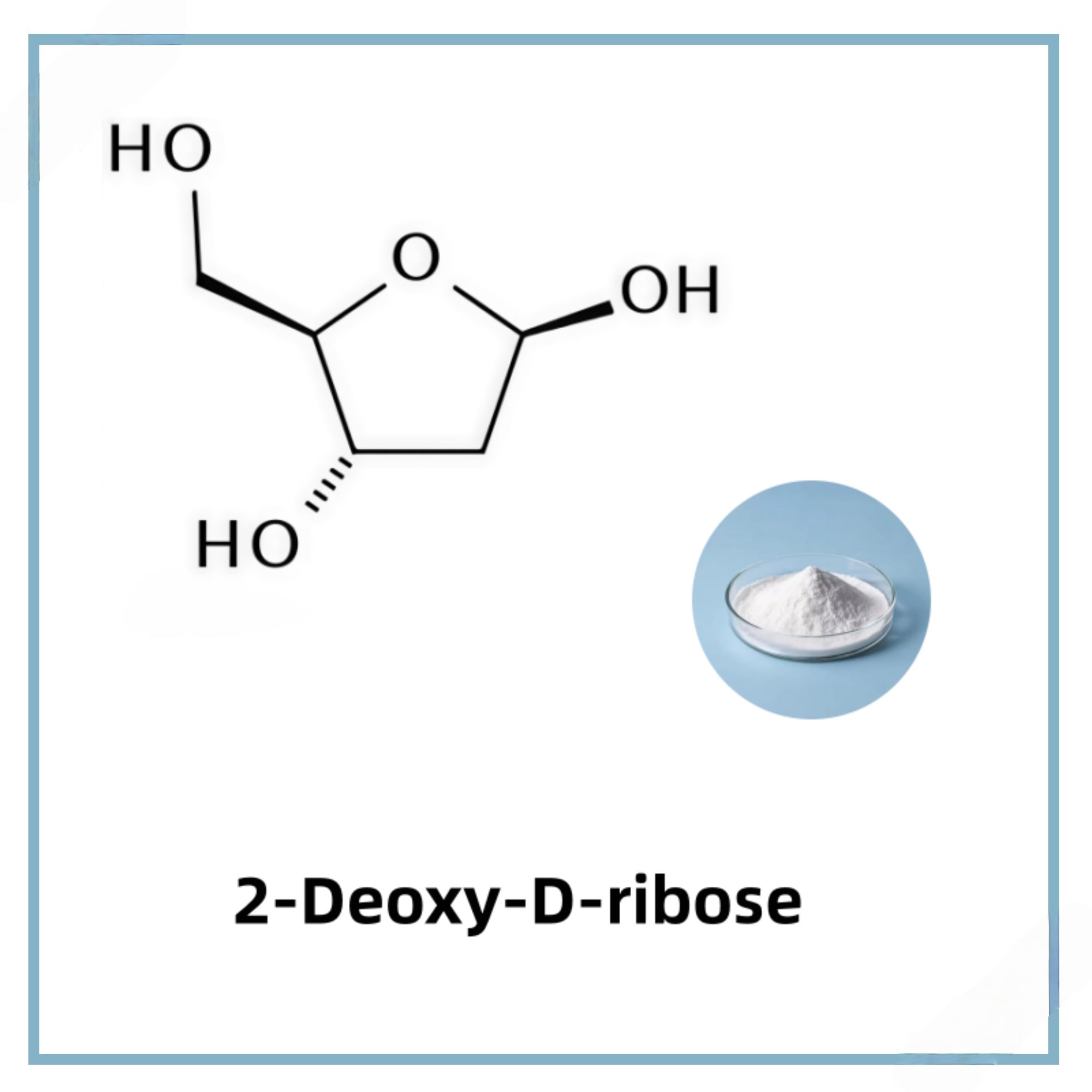
2-Deoxy-D-Ribose Powder <br alt=2DDR CAS 533-67-5" loading="lazy" > VIEW DETAILS
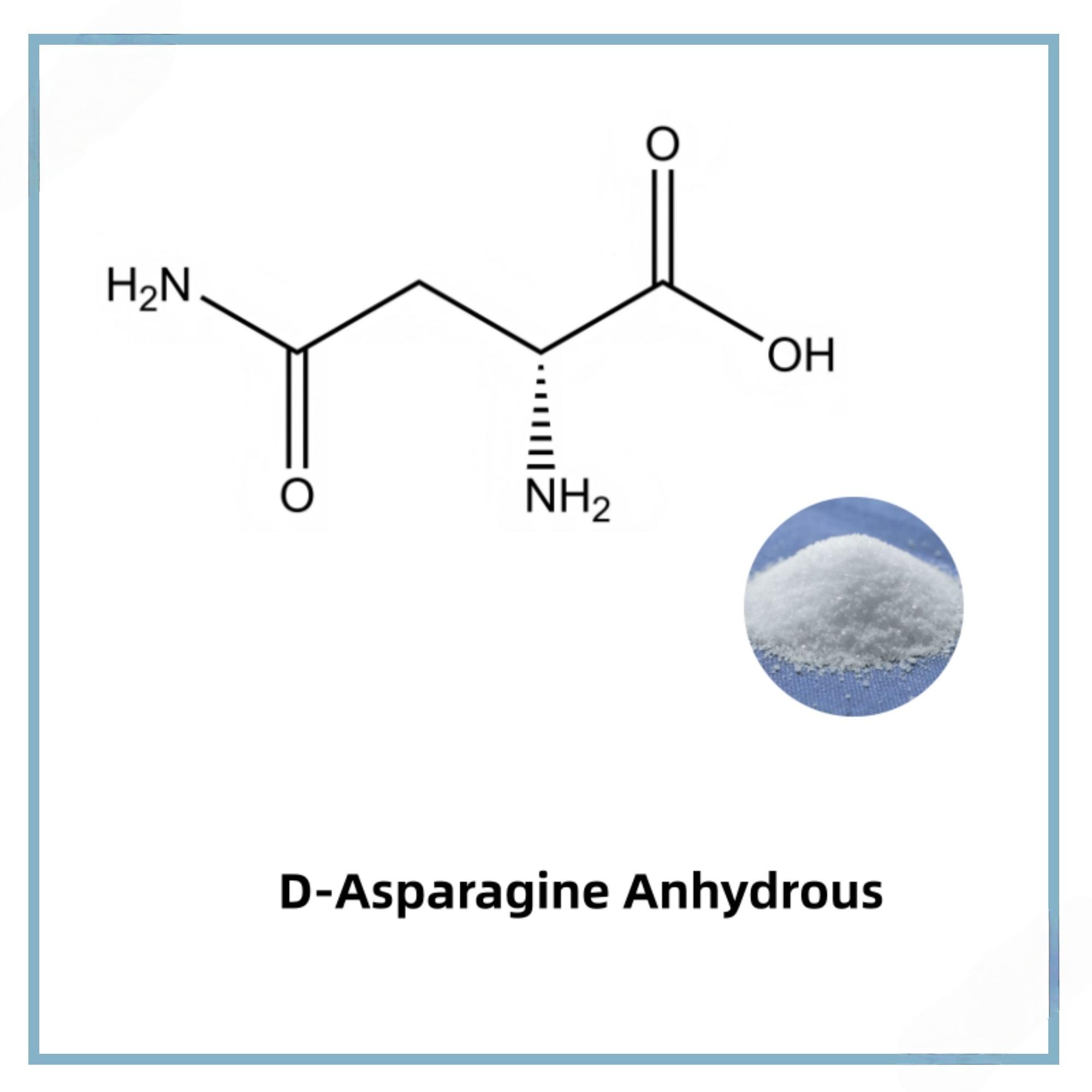
D-Asparagine Anhydrous<br alt=CAS 2058-58-4" loading="lazy" > VIEW DETAILS
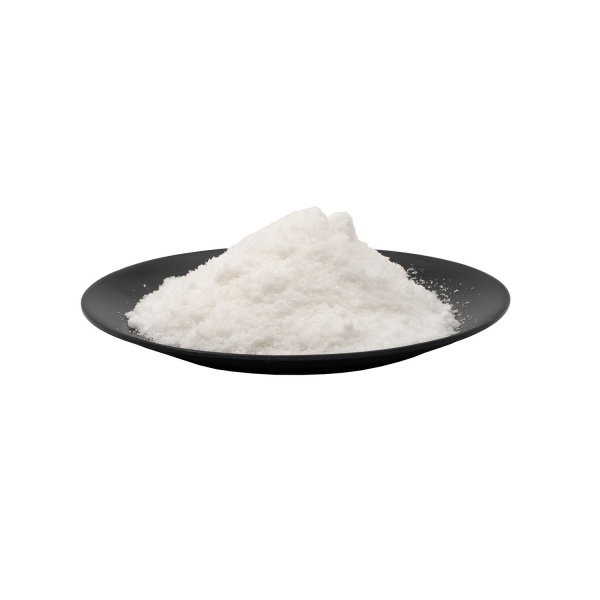
L-Prolinamide<br alt=CAS 7531-52-4" loading="lazy" > VIEW DETAILS
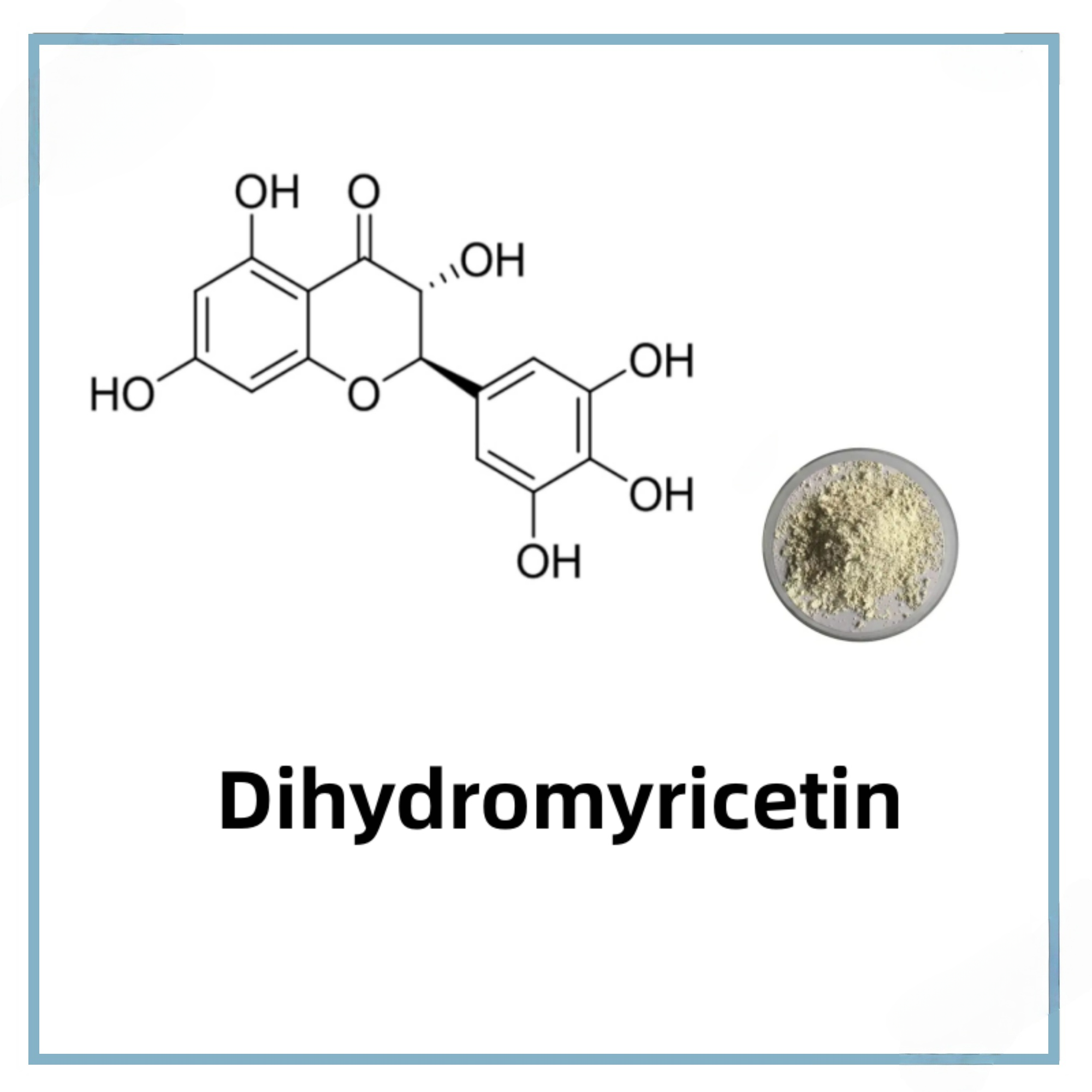
Dihydromyricetin<br alt=CAS 27200-12-0" loading="lazy" > VIEW DETAILS
The main advantage of creatine raw material is its direct value to finished-product manufacturers. Instead of developing an active ingredient from the beginning, buyers can select a tested creatine raw material and build it into an existing formula. This shortens development time, supports predictable costing, and makes production planning easier. A dependable creatine raw material also helps maintain consistent serving strength across batches. That consistency matters for brands that want customers to receive the same experience from every container. Creatine raw material suits many formats, including bulk powder, capsules, tablets, stick packs, drink powders, gummies, and combination supplements. This flexibility lets companies serve different customer preferences without changing the core active ingredient. For blending operations, an appropriate creatine raw material can offer useful flow, controlled particle size, and manageable dust levels. These features can improve filling accuracy, reduce line interruptions, and simplify warehouse handling. Buyers can also select grades that match their process, whether they need fast dispersion for beverages or a stable powder for dry blends. From a commercial viewpoint, creatine raw material supports products aimed at athletes, gym users, active adults, and everyday wellness consumers. Its familiar market position can reduce the education burden during product launch and help retailers understand the offer. A documented creatine raw material gives purchasing teams clearer information about assay, origin, testing, shelf life, packaging, and storage. That information supports supplier comparison and lowers avoidable quality risk. Companies should still review certificates, contaminant limits, allergen statements, and local compliance requirements before approval. With the right specification, creatine raw material can improve formula reliability, expand application options, and support efficient scale-up from trial batches to regular commercial production.

Tips And Tricks

How Urolithin A Is Unlocking the Secret Behind Muscle Aging

22

Jul

How Urolithin A Is Unlocking the Secret Behind Muscle Aging

In the rapidly evolving fields of longevity science and biotechnology, breakthrough compounds emerge from time to time and redefine the future of healthy aging. Over the past decade, ingredients such as NMN, NADH, and Resveratrol have captured global attention for their potential roles in cellular health and lifespan support.
View More
Overcoming the Water Solubility Bottleneck of Urolithin A: A Formulation Guide for Liquid Beverage Development

26

Sep

Overcoming the Water Solubility Bottleneck of Urolithin A: A Formulation Guide for Liquid Beverage Development

Explore the water solubility challenges of Urolithin A in beverages and how cyclodextrin inclusion may improve dispersion in liquid formulations.
View More

Get a Free Quote

Our representative will contact you soon.
Email
Name
Company Name
Message
0/1000

creatine raw material

Reliable Performance for Sports Nutrition

Reliable Performance for Sports Nutrition

Creatine raw material gives sports nutrition brands a recognized active ingredient for products focused on strength, power, and repeated high-intensity effort. Its established use helps formulators create products that customers already understand, including pre-workout blends, post-training formulas, daily creatine powders, and performance capsules. A well-controlled creatine raw material supports a consistent amount of active compound per serving, which helps brands maintain accurate labels and dependable product quality. Manufacturers can pair creatine raw material with protein, beta-alanine, carbohydrates, minerals, or hydration ingredients to create differentiated formulas. This compatibility supports both simple single-ingredient products and more advanced blends. The practical benefit is faster formulation work with less uncertainty about how the active ingredient fits the product concept. Buyers also gain a strong foundation for repeat purchasing because consistent performance encourages consumer trust. When supported by clear testing records, creatine raw material helps connect marketing claims with responsible quality control and reliable manufacturing.
Flexible Processing Across Product Formats

Flexible Processing Across Product Formats

A key benefit of creatine raw material is its ability to support several delivery formats. Product developers can use it in loose powders, capsules, tablets, sachets, drink mixes, bars, and selected functional foods. This format flexibility helps businesses serve different price points, consumption habits, and distribution channels with one core ingredient. Creatine raw material can be evaluated for particle size, bulk density, moisture, flow, and dispersion before production. Matching these properties to equipment reduces avoidable problems during weighing, blending, encapsulation, and filling. For dry products, a suitable creatine raw material can blend efficiently with flavor powders and other nutrients. For beverage applications, developers can test mixing behavior and select a process that delivers a smooth customer experience. The result is better use of existing equipment, fewer formulation changes, and simpler portfolio expansion. Companies can also create private-label variations while keeping a familiar ingredient platform, helping them respond quickly to seasonal demand and changing market opportunities.
Clear Quality Data Supports Confident Purchasing

Clear Quality Data Supports Confident Purchasing

Choosing creatine raw material with complete technical documentation gives procurement and quality teams a stronger basis for decisions. Useful records may include a specification sheet, certificate of analysis, manufacturing information, batch traceability, shelf life, storage guidance, and contaminant testing. This data helps buyers compare suppliers on more than price and identify the grade that best fits the intended application. A documented creatine raw material also makes internal approval easier because product developers, quality managers, and regulatory teams can review the same information. Consistent packaging and labeling support safer storage, accurate stock control, and smoother movement through the supply chain. For growing brands, dependable creatine raw material reduces the risk of unexpected variation during scale-up. It can also support retailer questions and customer inquiries with practical evidence about identity and quality. Buyers should verify current compliance requirements in each target market, but strong documentation provides a useful starting point. Overall, this approach turns ingredient selection into a controlled business decision rather than a simple spot purchase.
Call
+86-18265650337
WhatsApp
Creatine Raw Material for Quality Products
Email Inquiry

Get a Free Quote

Our representative will contact you soon.
Email
Name
Company Name
Message
0/1000