d ribose and 2 deoxy d ribose
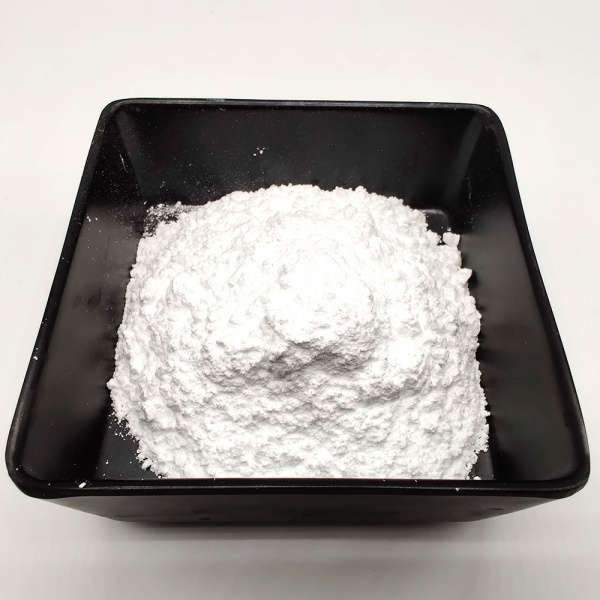
D ribose and 2 deoxy d ribose are closely related five-carbon sugars used in biology, research, nutrition, and biotechnology. D ribose forms part of ATP, RNA, and several cofactors, so it helps cells support energy transfer and metabolic reactions. 2 deoxy d ribose forms the sugar backbone of DNA, where it supports genetic information storage and replication. Together, d ribose and 2 deoxy d ribose provide important building blocks for studying cellular energy, nucleic acids, and molecular pathways. D ribose and 2 deoxy d ribose differ mainly by one oxygen atom. That small structural change gives each compound a distinct biological role and application profile. D ribose and 2 deoxy d ribose can be supplied as research-grade powders, reference materials, or formulated ingredients, depending on purity, documentation, and intended use. Typical technological features include controlled particle size, consistent assay, low moisture, traceability, and packaging designed to protect material stability. D ribose and 2 deoxy d ribose support laboratory work such as DNA synthesis studies, biochemical testing, cell culture research, and analytical method development. D ribose and 2 deoxy d ribose also appear in educational models and product development programs that explain nucleotide structure or investigate energy metabolism. Buyers comparing d ribose and 2 deoxy d ribose should review identity testing, purity, batch consistency, storage guidance, and regulatory documentation. Selecting the correct material helps teams achieve dependable results while reducing rework, contamination risk, and unnecessary procurement delays.

 EN
EN
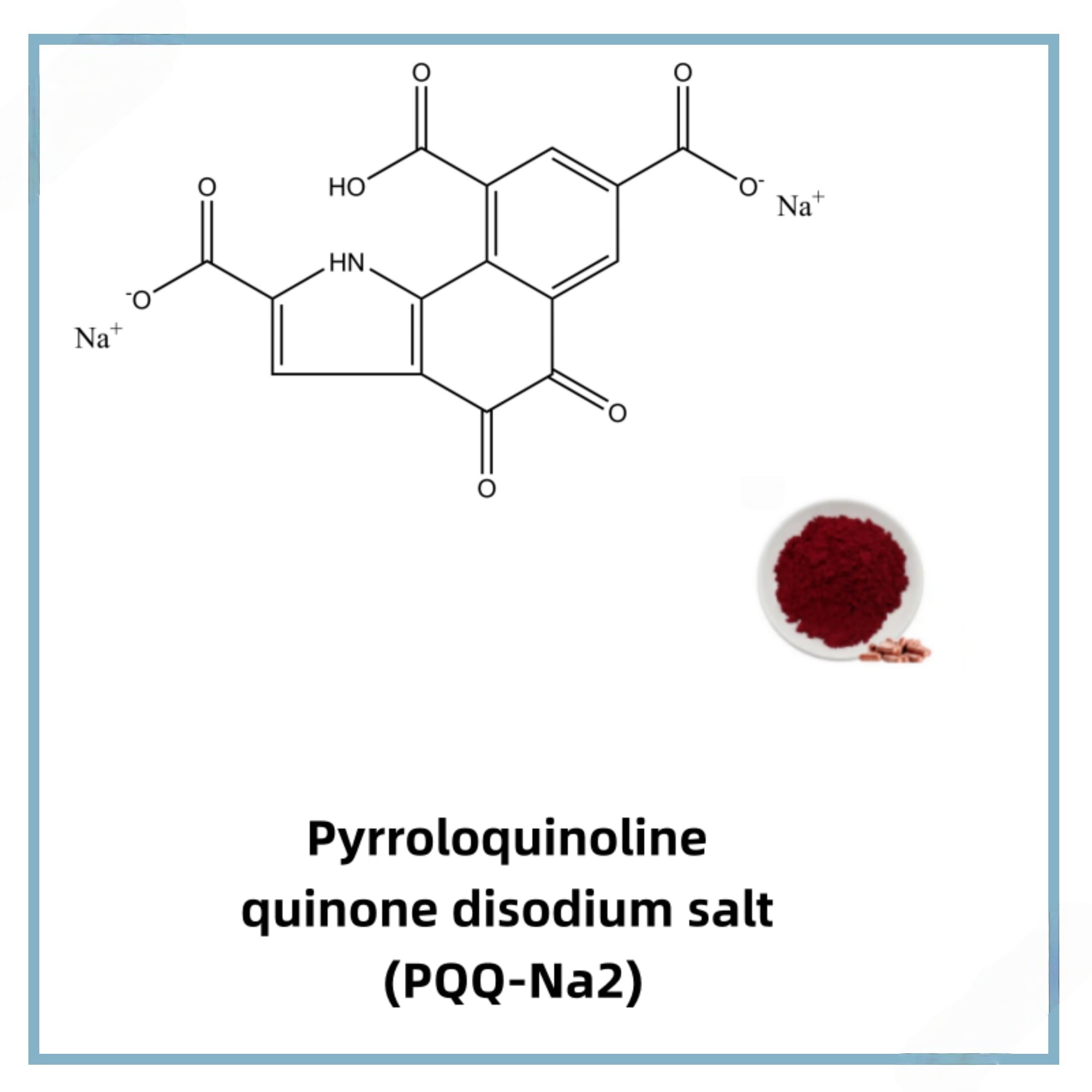 CAS 122628-50-6"
loading="lazy"
>
CAS 122628-50-6"
loading="lazy"
>
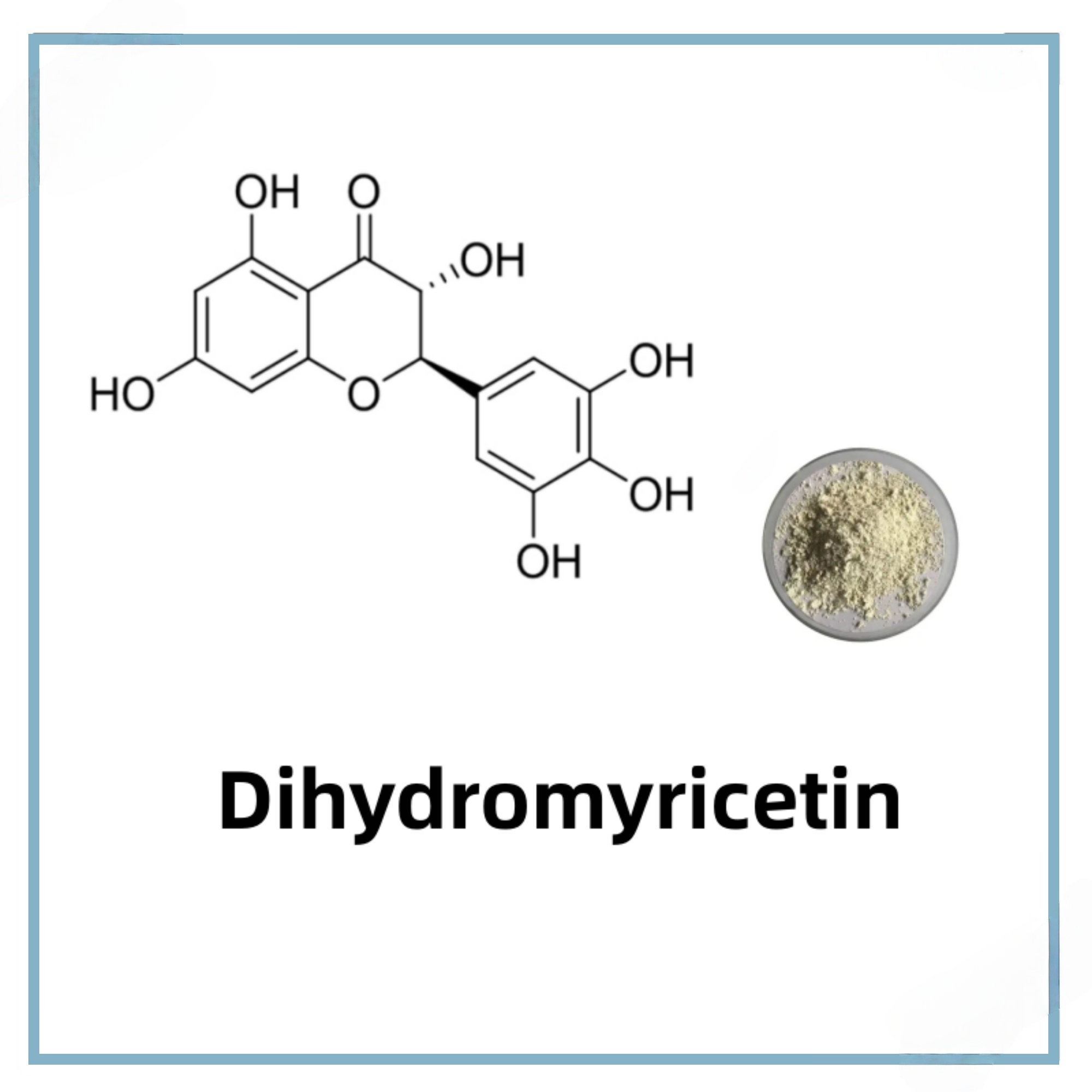 CAS 27200-12-0"
loading="lazy"
>
CAS 27200-12-0"
loading="lazy"
>
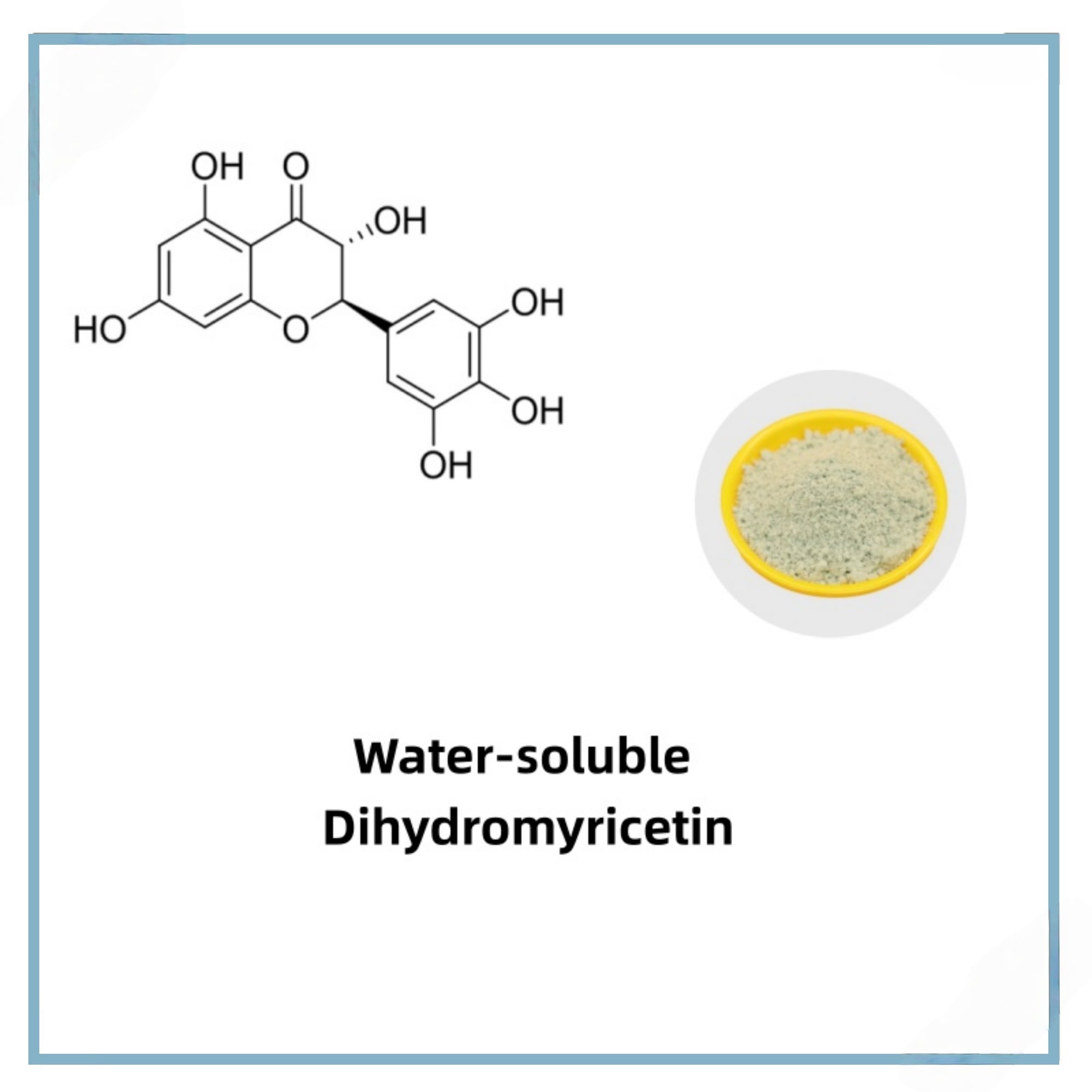 CAS 27200-12-0"
loading="lazy"
>
CAS 27200-12-0"
loading="lazy"
>
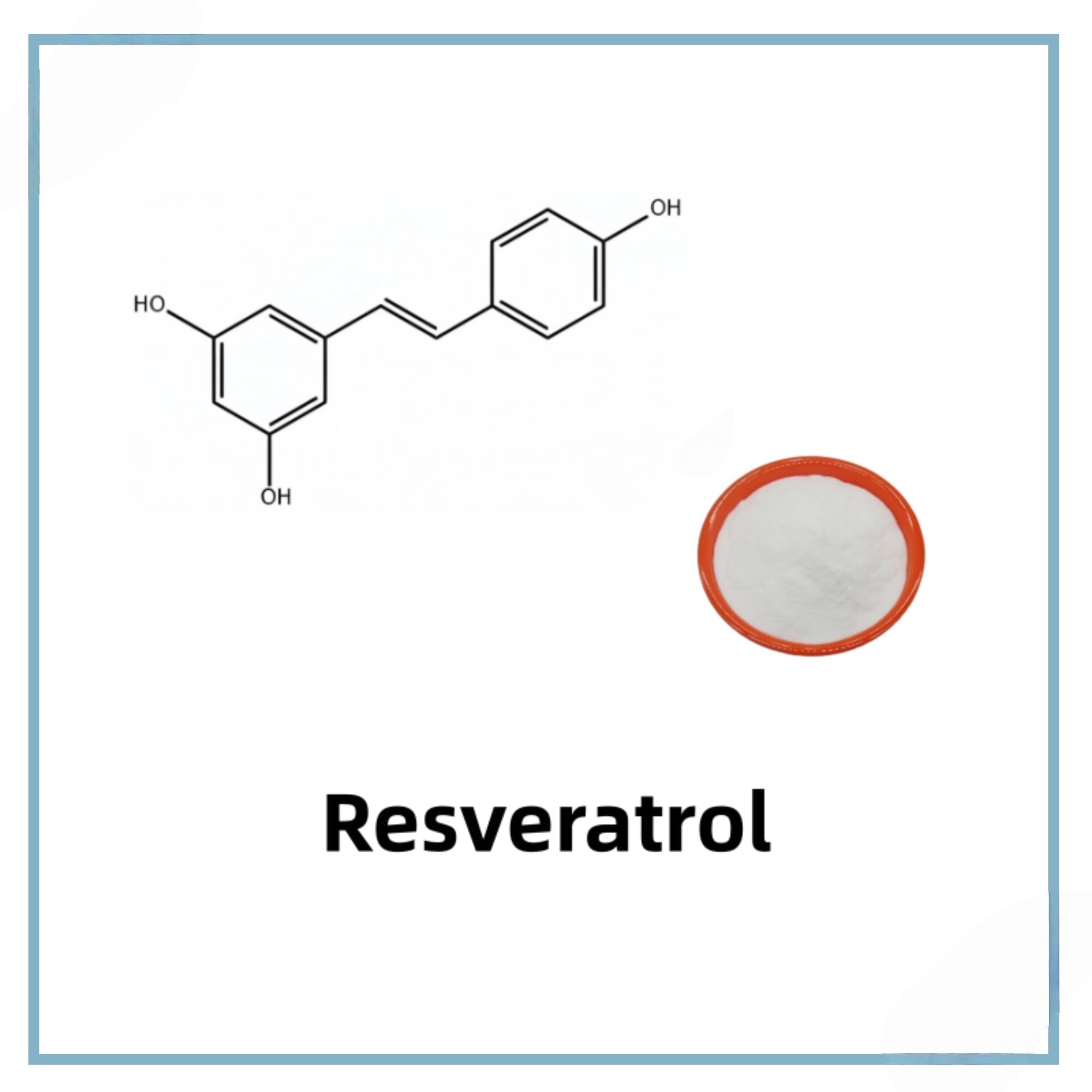 CAS 501-36-0"
loading="lazy"
>
CAS 501-36-0"
loading="lazy"
>