Glutathione Raw Material for Quality Supply

All Categories

glutathione raw material

Glutathione raw material is a high-value ingredient used to make supplements, functional foods, beverages, cosmetics, and selected laboratory products. It usually contains reduced glutathione, a naturally occurring compound formed from three amino acids: cysteine, glutamic acid, and glycine. As an antioxidant ingredient, glutathione raw material helps protect cells and formulas from oxidative stress while supporting the body's natural defense systems. A dependable glutathione raw material can also support product positioning around wellness, beauty, vitality, and daily nutritional care. The glutathione raw material is commonly supplied as a white or off-white powder with a mild characteristic odor. Manufacturers may choose powder grades for capsules, tablets, sachets, drink mixes, gummies, creams, serums, and other finished formats. Depending on the intended use, buyers can evaluate assay, reduced-form content, moisture, particle size, solubility, stability, microbiological quality, and packaging. This information helps a glutathione raw material fit existing blending, filling, and quality-control procedures. From a technology perspective, glutathione raw material can be produced through controlled fermentation or other validated manufacturing methods. Careful processing helps maintain purity and protects the active reduced form during production and storage. Glutathione raw material may also receive protective packaging, such as sealed bags, light-resistant liners, or inert-gas packing, when the application requires extra stability. In supplements, glutathione raw material supports antioxidant formulas and beauty-from-within products. In cosmetics, glutathione raw material can be used in brightening, tone-care, and anti-pollution concepts. Food and beverage developers may use glutathione raw material in functional formulations where clean documentation and easy handling matter. Overall, glutathione raw material offers a practical base for manufacturers seeking a versatile, specification-driven ingredient.

New Products

L-Prolinamide<br alt=CAS 7531-52-4" loading="lazy" > VIEW DETAILS
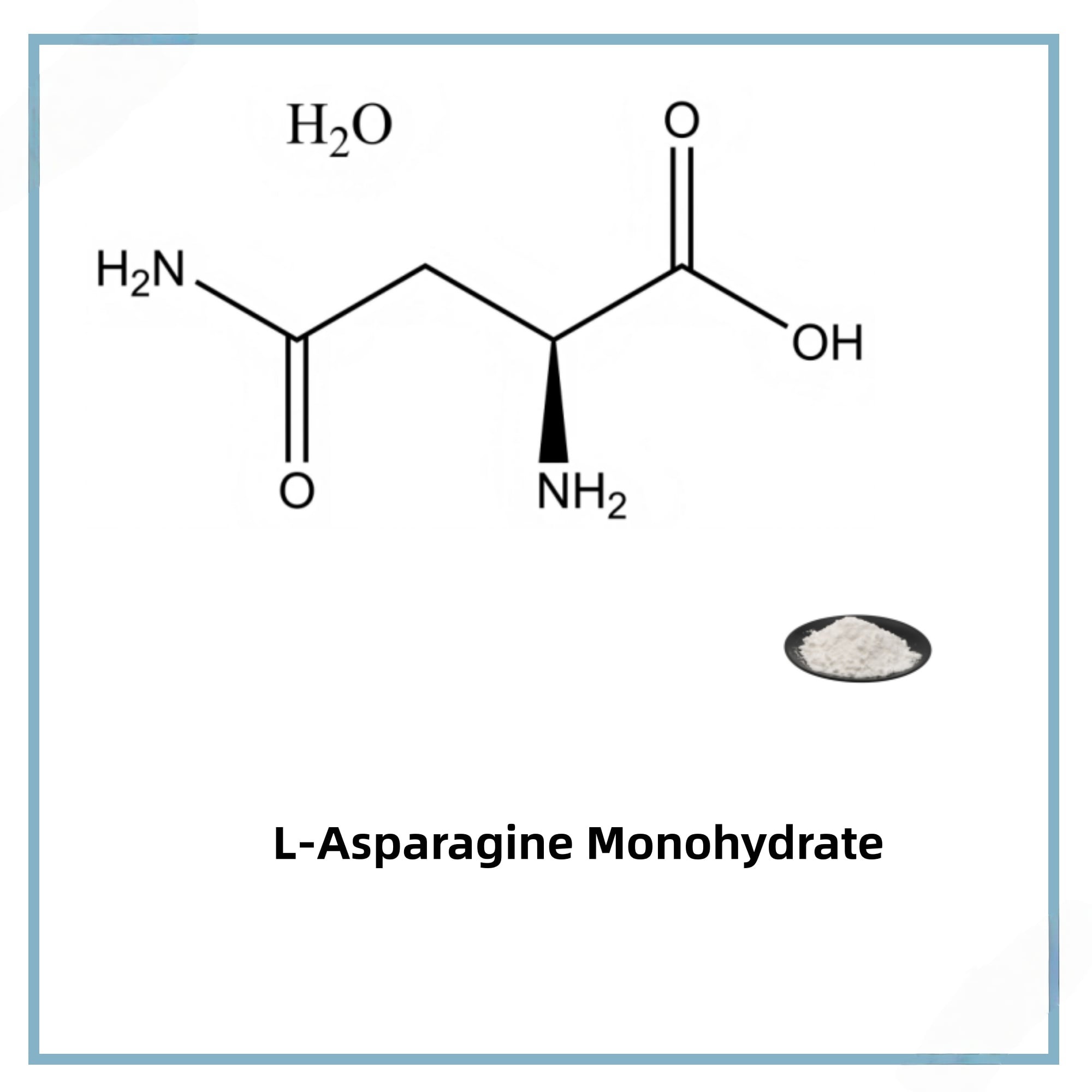
L-Asparagine Monohydrate<BR alt=CAS 5794-13-8" loading="lazy" > VIEW DETAILS
L-Asparagine Anhydrous<br alt=CAS 70-47-3" loading="lazy" > VIEW DETAILS
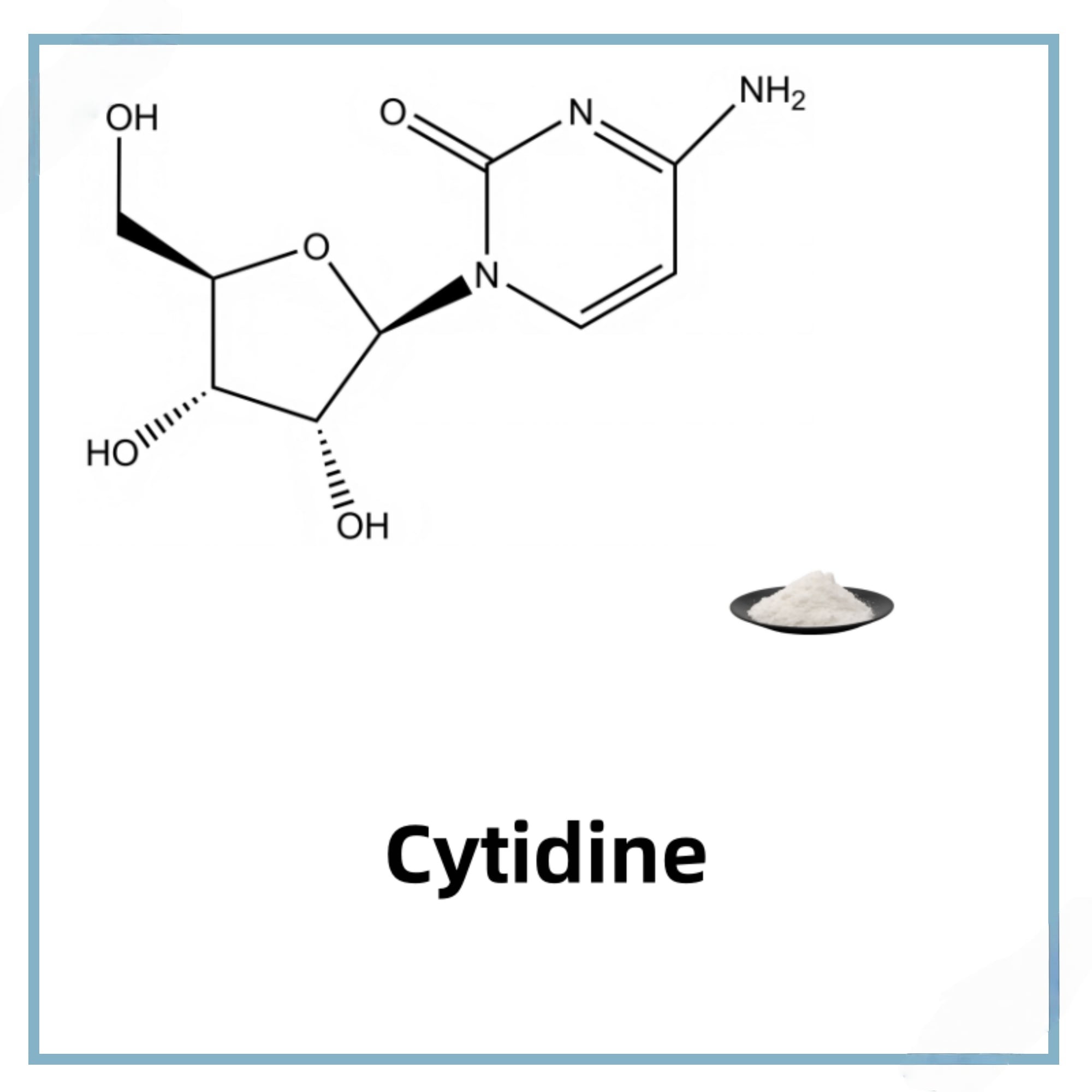
Cytidine<br alt=CAS 65-46-3" loading="lazy" > VIEW DETAILS
Choosing glutathione raw material gives buyers a direct way to build antioxidant products around a recognized nutritional ingredient. Instead of relying on a complex blend, a glutathione raw material lets formulators control the active level, combine it with complementary nutrients, and adjust the finished format for different customer groups. This flexibility supports capsules, tablets, powders, liquids, gummies, and topical products. A consistent glutathione raw material also helps purchasing teams compare suppliers using measurable specifications rather than marketing claims. Buyers can review assay, purity, moisture, microbial limits, solubility, packaging, and shelf-life data before placing an order. This makes glutathione raw material easier to qualify for internal approval and customer audits. Operationally, a well-made glutathione raw material can simplify weighing, blending, filling, and batch release. Clear particle-size information helps teams plan mixing and reduce segregation. Suitable packaging limits exposure to air, light, and humidity, which can help preserve quality during transport and storage. Reliable glutathione raw material supply can also reduce production interruptions and make inventory planning more predictable. Application suitability is another practical benefit. Supplement brands can use glutathione raw material in antioxidant, immune-support, beauty, and healthy-aging concepts. Beverage developers can assess soluble grades for drink powders or ready-to-mix products. Cosmetic manufacturers can select glutathione raw material for serums, creams, masks, and tone-care formulas, subject to local regulatory requirements and compatibility testing. For research or specialized manufacturing, the glutathione raw material provides a defined input that supports repeatable trials. Before purchase, customers should confirm the chemical form, country-specific compliance, test methods, storage conditions, minimum order quantity, and available documentation. These checks help match glutathione raw material with the real process, budget, and launch schedule. In short, the main value lies in formulation freedom, easier quality decisions, dependable handling, and broad market suitability.

Latest News

How Technical Grade 2-Deoxy-D-Ribose Suppliers Operate

30

Sep

How Technical Grade 2-Deoxy-D-Ribose Suppliers Operate

Discover the 5 critical operational pillars—synthesis, QA, documentation, logistics & compliance—that define top-tier technical grade 2-deoxy-D-ribose suppliers. Source confidently.
View More
2-Deoxy-D-Ribose Factory Standards for Global Exporting

30

Sep

2-Deoxy-D-Ribose Factory Standards for Global Exporting

Need compliant, high-purity 2-Deoxy-D-Ribose? Discover ISO/GMP factory standards, purity benchmarks (98%+), and export docs required for EU/US/Japan markets. Source confidently.
View More

Get a Free Quote

Our representative will contact you soon.
Email
Name
Company Name
Message
0/1000

glutathione raw material

Controlled Quality for Consistent Batches

Controlled Quality for Consistent Batches

A major strength of glutathione raw material is the ability to purchase it against clear, measurable quality requirements. A qualified glutathione raw material supplier can provide documents covering identity, assay, reduced-form content, moisture, microbial limits, heavy metals, and relevant physical properties. This data gives product developers a practical basis for comparing lots and approving incoming material. Consistent glutathione raw material helps manufacturers maintain the same active level from one production run to the next, which supports predictable testing and customer experience. It also reduces the risk of unexpected changes in color, odor, flow, or dissolution during formulation. For quality teams, glutathione raw material with a defined specification supports traceability, supplier review, and batch-release decisions. For purchasing teams, glutathione raw material with stable documentation makes forecasting and repeat ordering easier. The result is a stronger foundation for supplements, foods, beverages, and cosmetics that require dependable ingredient performance.
Flexible Formats and Formulation Use

Flexible Formats and Formulation Use

Glutathione raw material supports a wide range of delivery formats, giving manufacturers more room to develop products for different markets. In capsules and tablets, glutathione raw material can serve as the central active ingredient or join vitamins, minerals, and botanical extracts. Powder grades may fit sachets, stick packs, and drink mixes when the formula needs convenient portioning. With suitable compatibility testing, glutathione raw material can also support gummies, liquid concepts, and functional foods. Cosmetic developers may evaluate glutathione raw material for serums, creams, masks, and other tone-care products. This flexibility allows one ingredient strategy to serve wellness, beauty, and lifestyle portfolios. A glutathione raw material grade selected for particle size, flow, and solubility can improve processing efficiency and reduce unnecessary reformulation. Buyers should still confirm pH behavior, heat exposure, light sensitivity, and interaction with other ingredients. When those factors match the process, glutathione raw material helps teams move from laboratory trials to commercial production with greater confidence.
Protected Stability and Supply Planning

Protected Stability and Supply Planning

The performance of glutathione raw material depends not only on its assay but also on how manufacturers protect it throughout handling. A suitable glutathione raw material may use moisture-resistant, light-protective, or sealed packaging to reduce exposure to conditions that can affect quality. Suppliers may also recommend cool, dry storage and controlled opening procedures. These practical measures help glutathione raw material retain its intended characteristics between delivery and production. Stable glutathione raw material makes it easier for factories to schedule batches, manage stock, and limit avoidable waste. It can also support longer planning cycles when the supplier offers reliable lead times, lot traceability, and repeatable specifications. For buyers, this means fewer surprises during receiving inspection and production. A glutathione raw material partner that provides samples, certificates, technical guidance, and responsive communication adds value beyond the ingredient itself. Customers should confirm packaging size, shelf life, storage instructions, transport conditions, and replenishment capacity before approval. This approach helps glutathione raw material fit both immediate manufacturing needs and long-term supply plans.
Call
+86-18265650337
WhatsApp
Glutathione Raw Material for Quality Supply
Email Inquiry

Get a Free Quote

Our representative will contact you soon.
Email
Name
Company Name
Message
0/1000