guanosine nucleotide
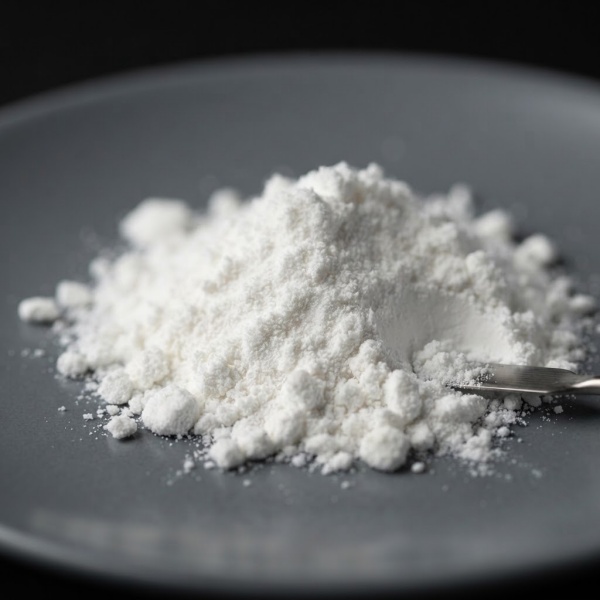
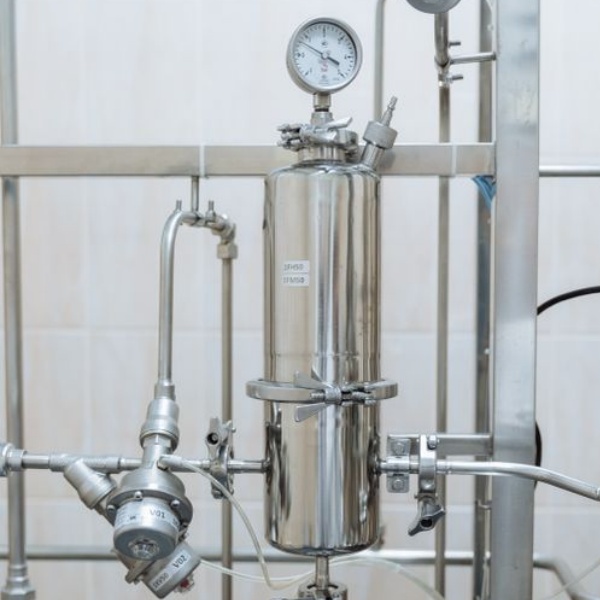
A guanosine nucleotide is a biological building block made from guanine, a ribose sugar, and phosphate groups. It supports genetic information, cellular energy management, and signal control. The guanosine nucleotide appears in RNA as guanosine monophosphate and also forms guanosine diphosphate and guanosine triphosphate. Each form serves a different role, so buyers should select the grade and phosphate state that match their process. In cells, the guanosine nucleotide helps assemble RNA, regulate protein production, and transfer chemical energy. GTP, for example, powers protein synthesis and helps control transport through cell membranes. GDP and GTP also support molecular switches that turn cellular activities on or off. As a laboratory material, the guanosine nucleotide offers a defined composition, predictable reaction behavior, and compatibility with enzymatic and molecular biology workflows. Suppliers may provide the guanosine nucleotide as a powder, solution, or high-purity research reagent. Product specifications commonly include assay, moisture, residual solvents, microbial limits, pH, and storage conditions. These details help users protect test accuracy and maintain batch consistency. The guanosine nucleotide has applications in nucleic acid research, enzyme studies, diagnostic development, pharmaceutical research, and biotechnology manufacturing. It can serve as a reference standard, reaction substrate, process input, or formulation component. Depending on purity and regulatory status, the guanosine nucleotide may also support food science, nutrition research, and specialized health-related product development. Its broad utility makes the guanosine nucleotide a practical choice for organizations that need reliable nucleotide performance across discovery, testing, and production.

 EN
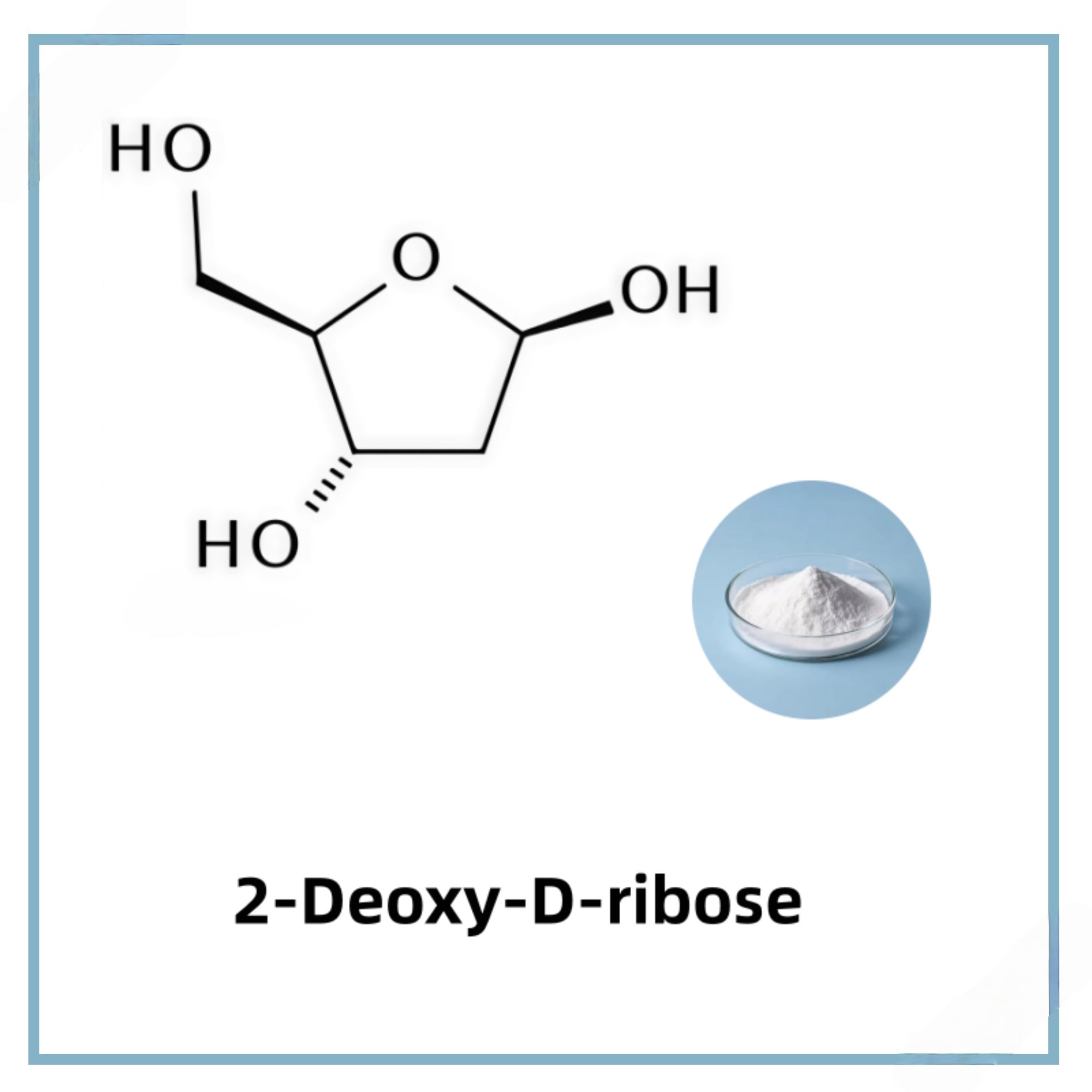 2DDR CAS 533-67-5"
loading="lazy"
>
 CAS 7531-52-4"
loading="lazy"
>
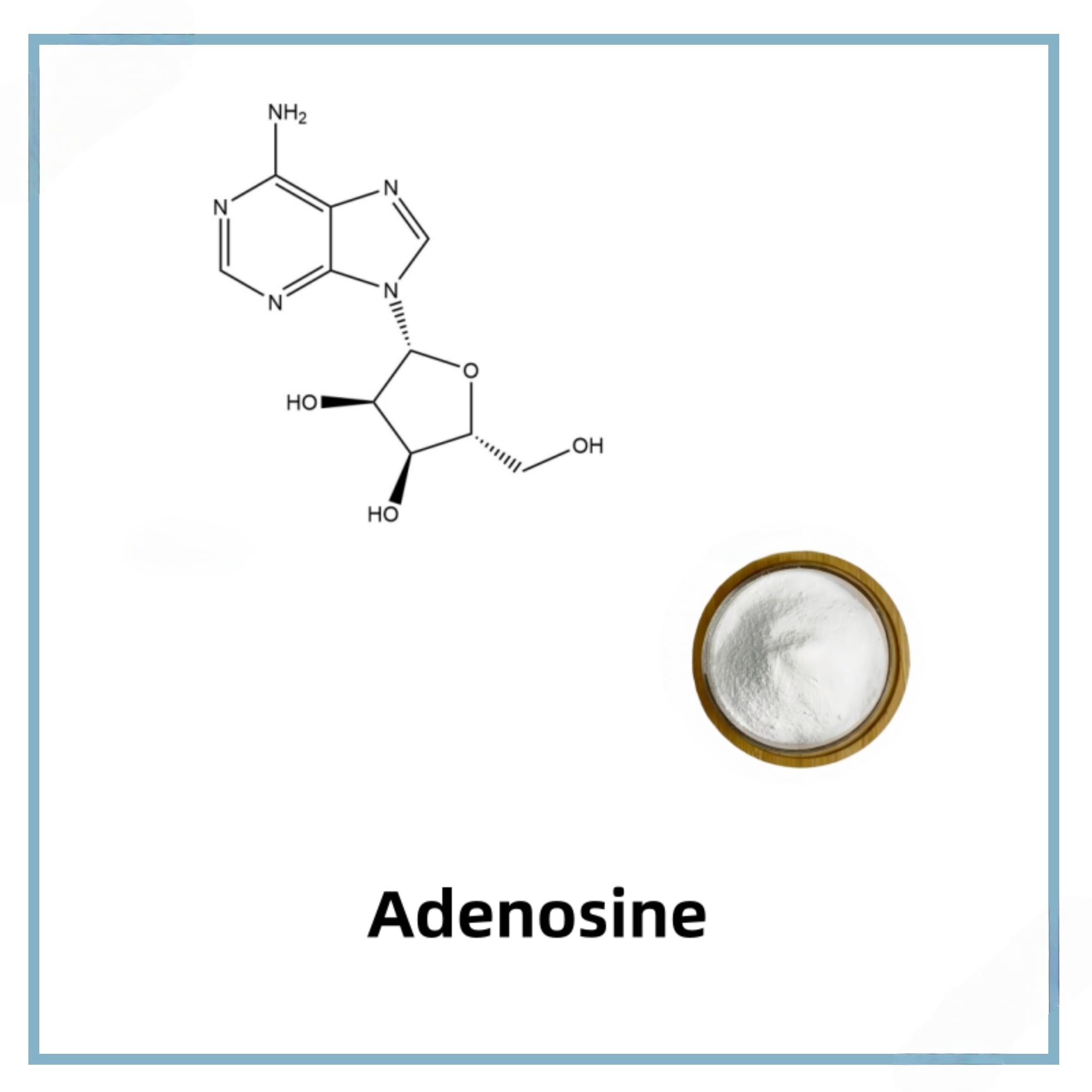 CAS 58-61-7"
loading="lazy"
>
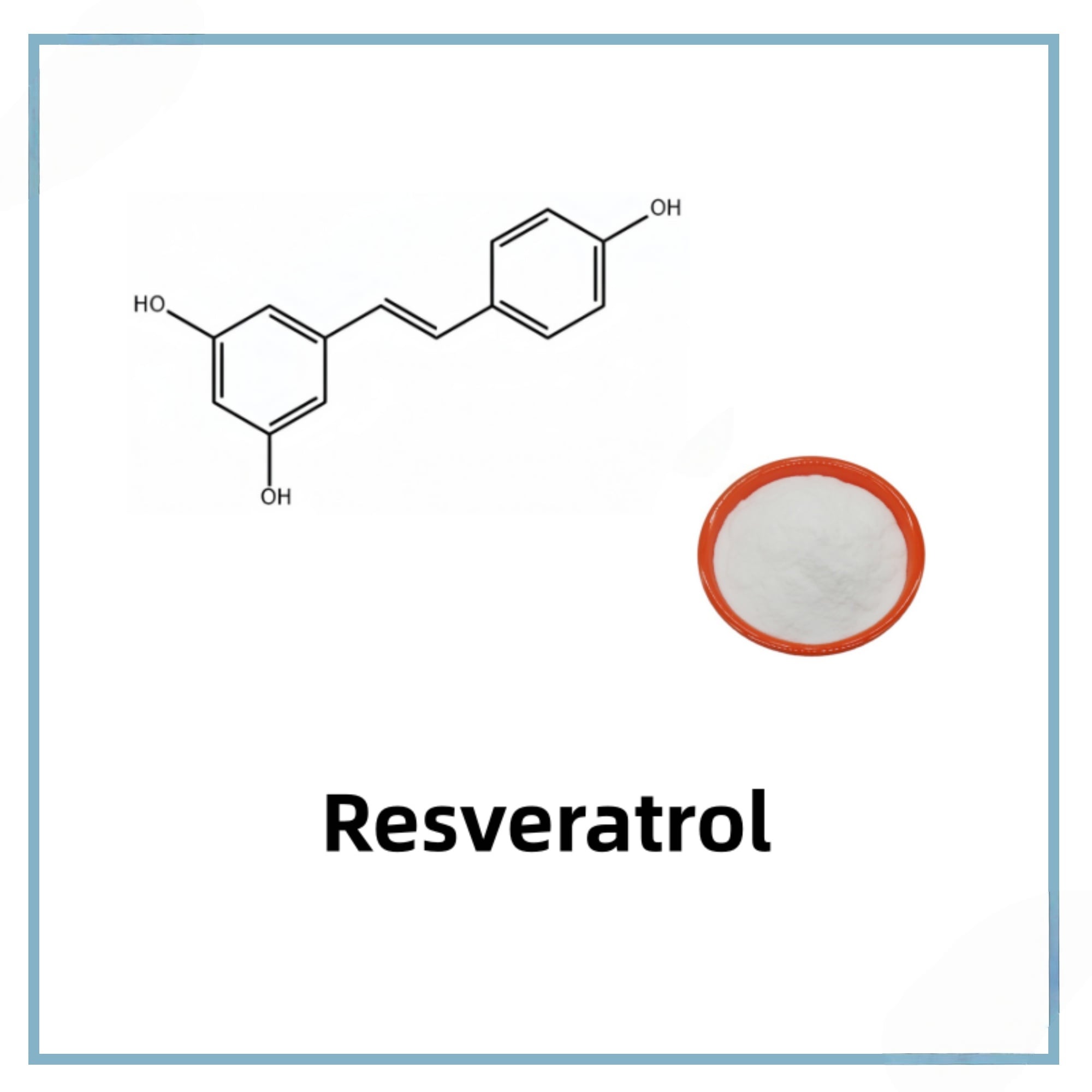 CAS 501-36-0"
loading="lazy"
>