nutritional ingredients
Nutritional ingredients are functional materials added to foods, beverages, supplements, and animal nutrition products to improve nutrient value, product performance, or both. They may include vitamins, minerals, amino acids, proteins, fibers, botanical extracts, enzymes, probiotics, and specialty lipids. Each group supports a clear purpose. Vitamins and minerals help complete daily nutrition, while proteins and amino acids support growth, repair, and satiety. Fiber supports digestive health and can improve texture. Probiotics help create products designed for gut health, and plant extracts can support targeted wellness claims. Nutritional ingredients also help manufacturers create more convenient and balanced products. Nutritional ingredients can be supplied as powders, granules, liquids, emulsions, or coated particles, allowing use in many production systems. Nutritional ingredients may offer strong stability against heat, moisture, light, and oxygen, depending on the grade and formulation. This stability helps protect potency during processing and storage. Nutritional ingredients can also provide controlled release, improved dispersion, reduced taste impact, or better flow through filling equipment. These technological features simplify blending and support consistent serving sizes. Common applications include sports drinks, meal replacements, fortified dairy products, functional foods, gummies, capsules, tablets, bakery products, infant nutrition, and pet food. Nutritional ingredients are selected according to nutrient target, dosage, compatibility, sensory expectations, label requirements, and processing conditions. Buyers should review purity, specification, solubility, shelf life, testing, and regulatory documentation before approval. In practical terms, nutritional ingredients connect nutrition goals with reliable manufacturing, helping brands develop products that are useful, appealing, and commercially ready.

 EN
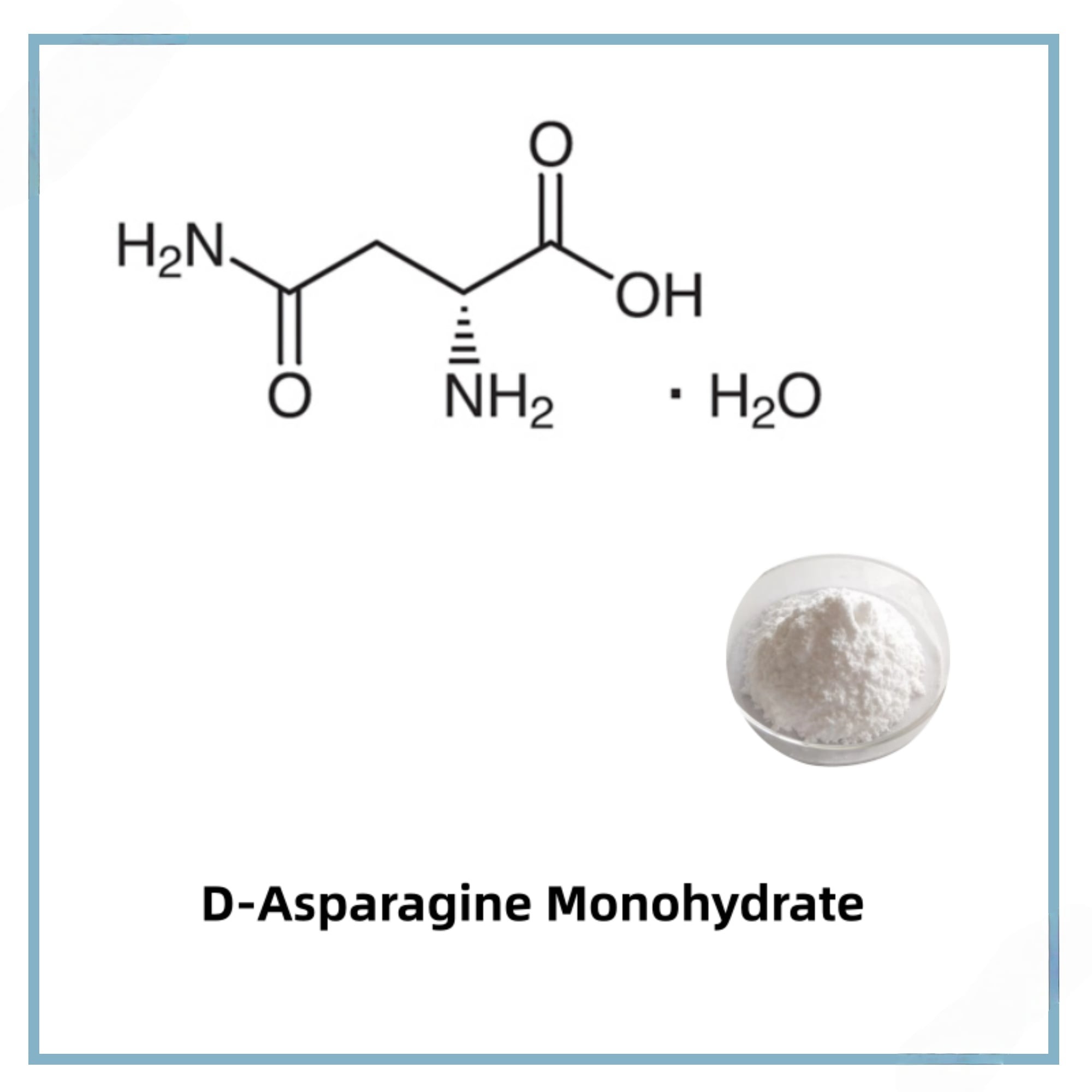 CAS 5794-24-1"
loading="lazy"
>
 CAS 7531-52-4"
loading="lazy"
>
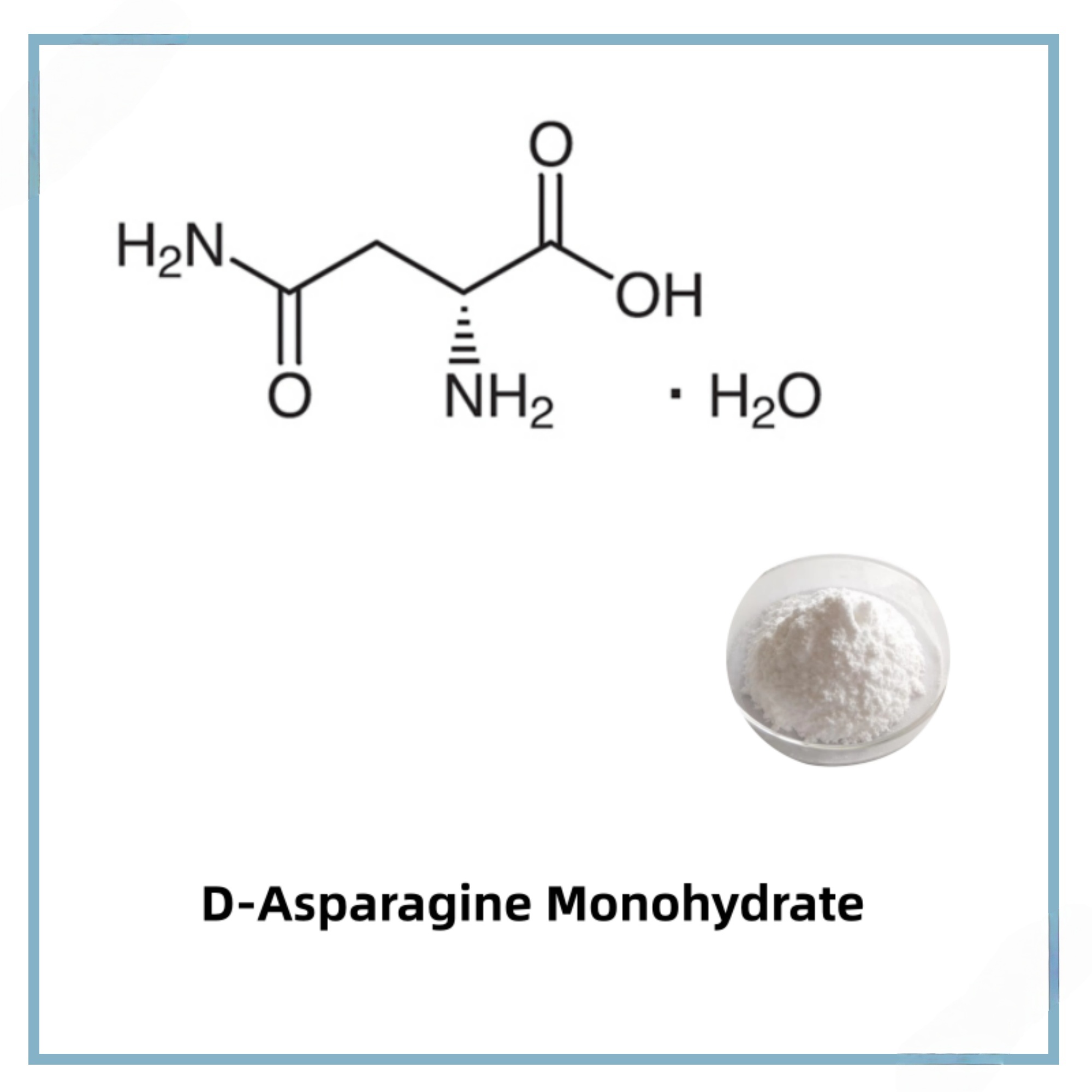 CAS 70-47-3"
loading="lazy"
>
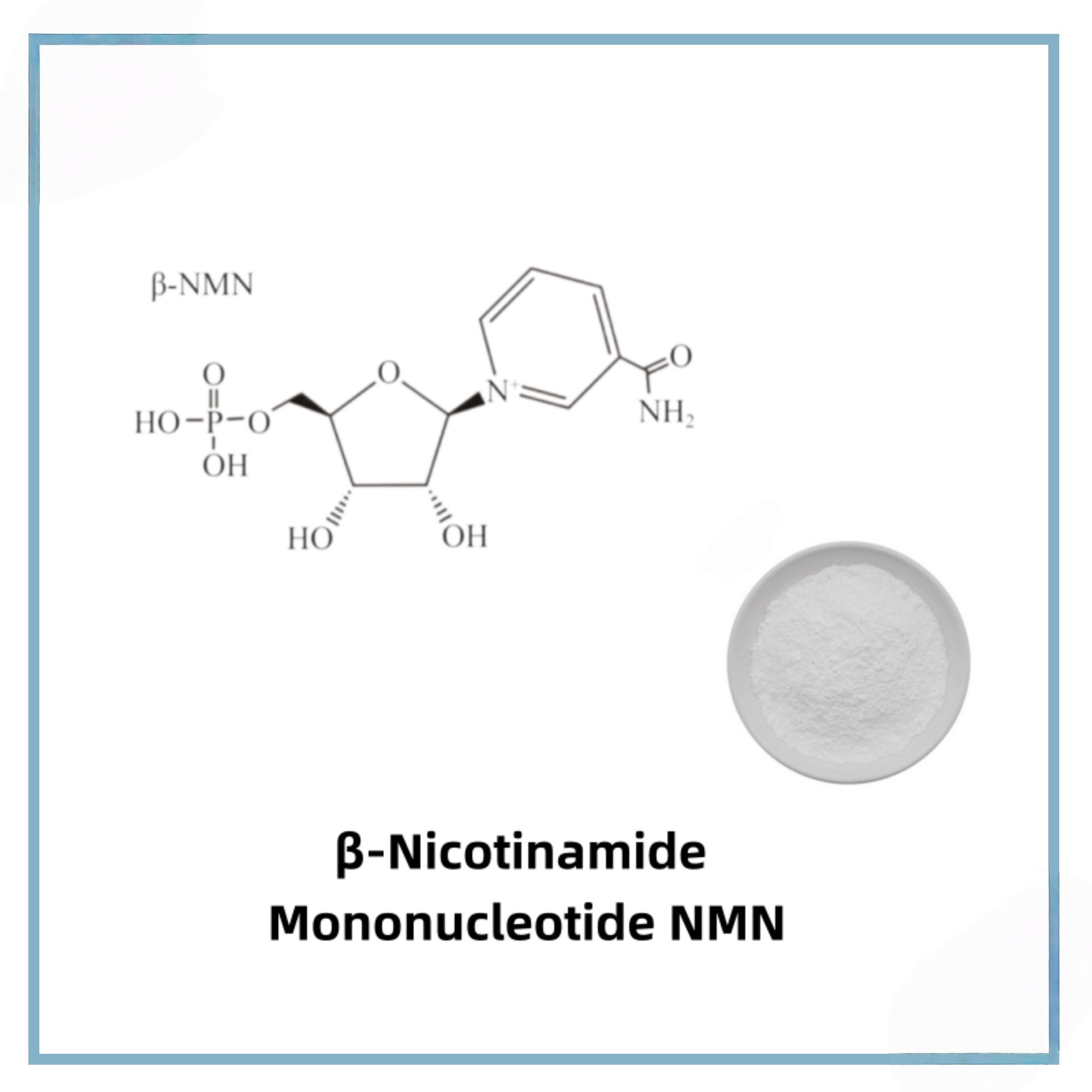 CAS 1094-61-7"
loading="lazy"
>