
 EN
EN
Bulk 2-Deoxy-D-Ribose Sourcing for Bio-Tech Sectors
In the rapidly evolving bio-tech landscape, securing a reliable supply of high-purity compounds is a strategic priority. 2-Deoxy-D-Ribose, the five-carbon sugar that forms the backbone of DNA, plays a foundational role across a wide spectrum of biological research and biotechnological manufacturing. As demand for nucleoside analogs, antiviral agents, and diagnostic reagents continues to grow, procurement teams and research directors are increasingly focused on bulk 2-Deoxy-D-Ribose sourcing as a core supply chain objective rather than an afterthought.
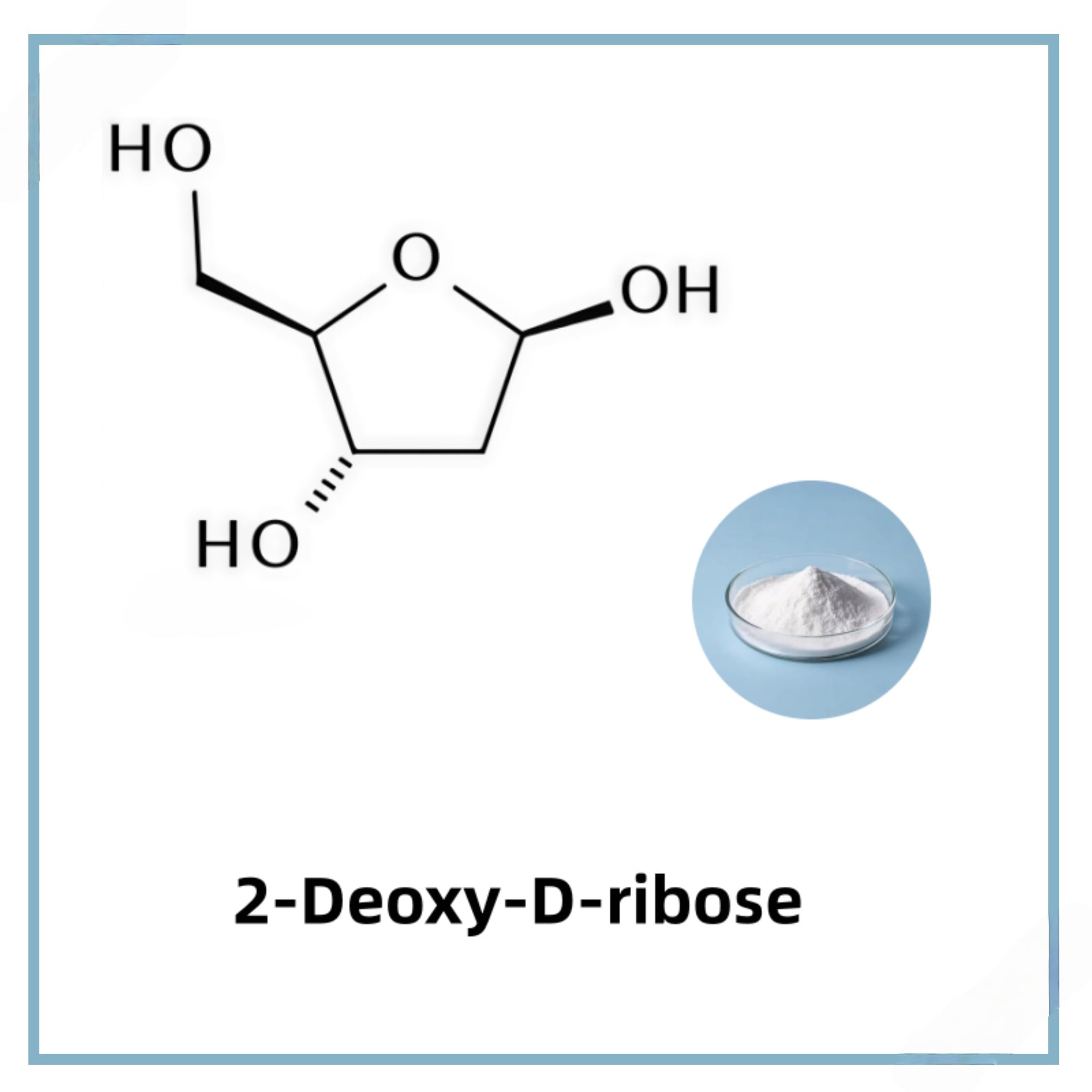
Understanding how to source 2-Deoxy-D-Ribose at scale requires more than simply placing a purchase order. Bio-tech organizations must evaluate purity specifications, regulatory compliance, supplier stability, and logistical capacity before committing to a long-term supply arrangement. This article outlines the critical considerations that guide smart bulk 2-Deoxy-D-Ribose procurement for bio-tech sectors ranging from pharmaceutical development to genomics and molecular diagnostics.
The Role of 2-Deoxy-D-Ribose in Bio-Tech Applications
Scientific Significance of 2-Deoxy-D-Ribose
2-Deoxy-D-Ribose, identified by CAS No. 533-67-5, is the deoxygenated form of D-Ribose and is indispensable as a structural unit in deoxyribonucleic acid. Every strand of DNA contains 2-Deoxy-D-Ribose as part of its sugar-phosphate backbone, making this compound central to any application that involves DNA synthesis, sequencing, or modification. Research institutions rely on 2-Deoxy-D-Ribose when developing custom oligonucleotides, studying DNA repair mechanisms, or synthesizing nucleoside-based pharmaceutical intermediates.
Beyond pure research, 2-Deoxy-D-Ribose serves as a key starting material in the production of antiviral and anticancer nucleoside analogs. Compounds such as antiviral drugs and chemotherapy agents are synthesized using 2-Deoxy-D-Ribose as a precursor, which elevates the compound's commercial importance considerably. Bio-tech firms engaged in active pharmaceutical ingredient manufacturing regularly require consistent, high-volume deliveries of 2-Deoxy-D-Ribose to maintain uninterrupted production schedules.
Emerging Demand Drivers in Bio-Tech Sectors
The global expansion of genomics, personalized medicine, and mRNA technology platforms has significantly amplified the demand for 2-Deoxy-D-Ribose. As more bio-tech companies invest in next-generation sequencing infrastructure and CRISPR-based gene editing workflows, the need for reliable 2-Deoxy-D-Ribose supply at scale intensifies. Diagnostic manufacturers also consume 2-Deoxy-D-Ribose in the production of PCR reagents and molecular probe kits, adding another layer of demand that procurement specialists must account for.
Key Criteria for Bulk 2-Deoxy-D-Ribose Sourcing
Purity Standards and Analytical Verification
When sourcing 2-Deoxy-D-Ribose in bulk, purity is the most critical specification. Bio-tech applications demand 2-Deoxy-D-Ribose with a minimum purity of 98% or higher, and many pharmaceutical-grade processes require purity levels exceeding 99%. Organizations should request certificates of analysis that include HPLC purity data, optical rotation values, and residual solvent profiles. A credible supplier of 2-Deoxy-D-Ribose will consistently provide third-party analytical documentation and be willing to accommodate customer-specified testing protocols.
Batch-to-batch consistency is equally important when evaluating bulk 2-Deoxy-D-Ribose for regulated applications. Variability in the physicochemical profile of 2-Deoxy-D-Ribose can introduce errors into downstream synthesis steps, compromise assay reproducibility, or trigger regulatory non-conformances. Bio-tech procurement teams should request historical batch data from suppliers to assess whether 2-Deoxy-D-Ribose quality remains stable over extended production periods.
Regulatory Compliance and Documentation
Regulatory compliance is a non-negotiable element in bulk 2-Deoxy-D-Ribose sourcing for bio-tech sectors, particularly those operating under GMP or ISO-certified frameworks. Suppliers of 2-Deoxy-D-Ribose must be able to provide Material Safety Data Sheets, conformance declarations, and traceability documentation that satisfy both internal quality management systems and external regulatory audits. For organizations exporting finished products that contain 2-Deoxy-D-Ribose as an intermediate, ensuring supplier compliance with international chemical trade regulations is essential to avoiding supply chain disruptions.
Practical Sourcing Strategy for Bulk 2-Deoxy-D-Ribose
Evaluating Supplier Capacity and Stability
Supplier evaluation goes beyond product specification when sourcing 2-Deoxy-D-Ribose at bulk scale. Bio-tech organizations should assess whether a supplier of 2-Deoxy-D-Ribose maintains sufficient production capacity to fulfill both current orders and anticipated volume growth. A supplier that can only fulfill small spot orders of 2-Deoxy-D-Ribose may create bottlenecks during peak demand periods or when project timelines accelerate unexpectedly. Evaluating warehouse infrastructure, lead times, and cold-chain logistics capabilities will help procurement teams determine whether a 2-Deoxy-D-Ribose supplier is truly equipped for long-term partnership.
Establishing a dual-sourcing model for 2-Deoxy-D-Ribose is a prudent risk management strategy. Relying on a single supplier for bulk 2-Deoxy-D-Ribose creates vulnerability to production disruptions, raw material shortages, or geopolitical trade barriers. By qualifying at least two trusted suppliers of 2-Deoxy-D-Ribose, bio-tech companies can maintain continuity of supply while retaining competitive leverage in pricing negotiations. Regular supplier audits, including on-site visits and quality system reviews, further strengthen the resilience of a bulk 2-Deoxy-D-Ribose supply chain.
Cost Optimization Without Compromising Quality
Bulk purchasing of 2-Deoxy-D-Ribose typically offers cost advantages compared to smaller lot procurement, but organizations must ensure that lower unit pricing does not come at the expense of quality. Negotiating volume-based pricing tiers for 2-Deoxy-D-Ribose while maintaining strict quality acceptance criteria is the optimal approach. Bio-tech firms should also factor in total cost of ownership, including freight, customs, storage conditions, and requalification costs, when comparing 2-Deoxy-D-Ribose suppliers across different geographies. A slightly higher per-kilogram price for 2-Deoxy-D-Ribose from a reliable source may prove far more economical than recurring quality failures or regulatory holds caused by inferior material.
FAQ
What purity grade of 2-Deoxy-D-Ribose is required for bio-tech applications?
Most bio-tech applications require 2-Deoxy-D-Ribose with a minimum purity of 98%, while pharmaceutical synthesis and GMP-regulated processes typically demand 99% or higher. Always request a certificate of analysis and HPLC data when evaluating any bulk 2-Deoxy-D-Ribose supplier to confirm that the material meets your specific application requirements.
How should bulk 2-Deoxy-D-Ribose be stored to maintain stability?
2-Deoxy-D-Ribose is hygroscopic and should be stored in a cool, dry environment, typically between 2°C and 8°C, in tightly sealed containers away from light and moisture. Proper storage conditions preserve the purity and structural integrity of 2-Deoxy-D-Ribose over extended periods and are essential for maintaining product performance in sensitive research and manufacturing workflows.
What documentation should suppliers of bulk 2-Deoxy-D-Ribose provide?
A qualified supplier of 2-Deoxy-D-Ribose should provide a certificate of analysis, Material Safety Data Sheet, optical rotation data, HPLC purity report, and batch traceability records. For organizations operating under regulated frameworks, suppliers of 2-Deoxy-D-Ribose should also be able to furnish GMP compliance declarations and support customer quality audits upon request.