
 EN
Liposomal Vitamin C Bioavailability & Stability Guide
Vitamin C is one of the most used ingredients in supplements. Regular ascorbic acid is cheap and effective, but it is not always well absorbed and can break down easily. Many formulators now look at liposomal vitamin C as a better option for improved bioavailability and stability.
This guide explains how liposomal vitamin C works, what recent studies show about absorption, and which technical points matter when buying bulk raw material.
What Is Liposomal Vitamin C?
A liposome is a tiny bubble made of phospholipids. Vitamin C is placed inside this protective layer. The phospholipid shell helps protect the vitamin C from stomach acid and oxygen, which can improve absorption compared with free ascorbic acid.
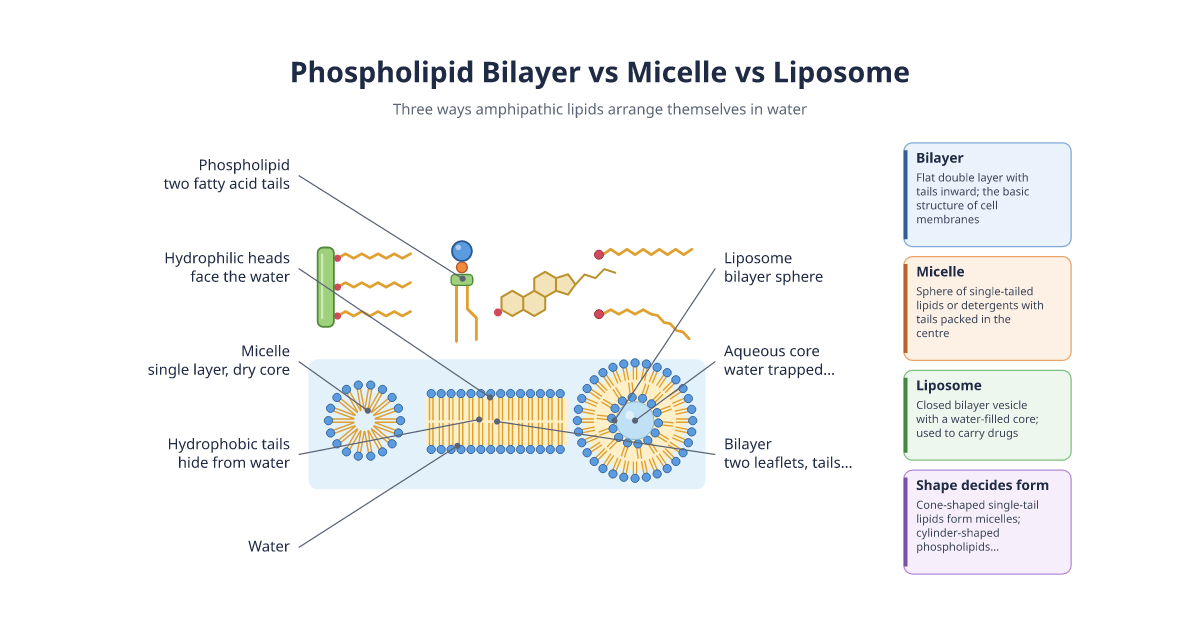
For more details on our liposomal vitamin C, visit the product page.
Bioavailability: What the Studies Show
A clinical study reported by NutraIngredients found that liposomal vitamin C raised serum levels about 55% higher than regular ascorbic acid two hours after intake. It also showed stronger antioxidant effects.
Other research supports better peak levels and longer presence in the blood with well-made liposomal forms. However, results depend on manufacturing quality. That is why encapsulation efficiency and particle size are important for B2B buyers.
Key Specs to Check When Selecting a Supplier
Particle Size
Smaller particles generally perform better. Many quality liposomal vitamin C materials have a mean particle size under 200 nm. This size range supports better stability and absorption.
Encapsulation Efficiency
This shows how much vitamin C is actually inside the liposomes. High-quality material typically has encapsulation efficiency of 70% or higher. Lower numbers mean more free vitamin C that can degrade.
Stability Data
Ask for accelerated or real-time stability results. Good material should maintain potency and encapsulation efficiency under heat and storage conditions.
Purity and COA
Request a full Certificate of Analysis covering assay, heavy metals, residual solvents, and microbial limits.
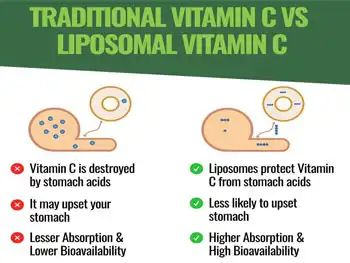
Traditional vs Liposomal Vitamin C comparison
Practical Tips for Formulators and Buyers
- Compare the same dose of liposomal vitamin C versus regular ascorbic acid.
- Ask for the method used to measure encapsulation efficiency.
- Confirm consistent particle size across batches.
- Consider your final product form (powder, capsule, or liquid).
- Request samples and test stability in your own formula.
Conclusion
Liposomal vitamin C can offer better bioavailability and stability than regular ascorbic acid when the material is well made. For B2B buyers, focus on measurable specs: particle size, encapsulation efficiency, stability data, and a complete COA.
If you are evaluating bulk liposomal vitamin C, start with technical information and samples. Contact us to discuss your formulation needs and request further details.
References
- NutraIngredients. Liposomal vitamin C may boost serum vitamin levels by 55%. 2024.