 EN
Apigenin Ingredient Sourcing for Global Health Brands
For global health brands, apigenin ingredient sourcing is a quality and continuity decision, not simply a purchasing task. The ingredient’s identity, production controls, documentation, and intended use all affect whether it fits a product plan. A disciplined sourcing process helps teams assess apigenin against technical requirements before commercial commitments are made, while keeping regulatory and supply risks visible.
Global programs add complexity because specifications, labeling rules, and import documentation can differ by market. Buyers should define the required apigenin grade and evidence package early, then confirm that each proposed source can support them consistently. This guide explains how to structure that review, from the first specification draft through qualification and ongoing oversight, so sourcing decisions match real product needs.
Set the sourcing brief before supplier review
Translate the product plan into a usable specification
Begin with the intended product format, target markets, and role of apigenin in the formulation. These details help determine whether a particular grade, form, or concentration is appropriate. A buyer who describes apigenin only by name leaves important quality questions unanswered, so the brief should define identity criteria, acceptance limits, test methods, and how results must be reported.
Align the apigenin specification with the finished product team, quality function, and regulatory reviewers before requesting commercial proposals. Record the source and manufacturing information needed for traceability, alongside requirements for packaging, storage, and shelf-life support. If a proposed apigenin material differs from the initial brief, document the difference and assess its impact rather than treating it as an automatic equivalent.
Clarify grade, origin, and intended use
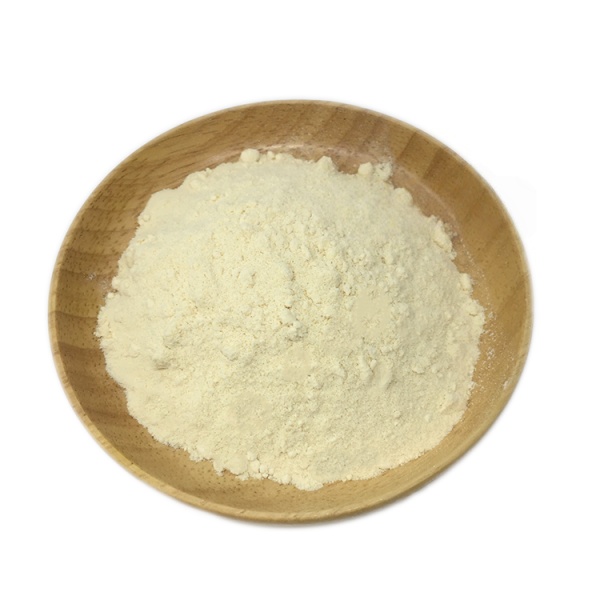
The word apigenin does not by itself establish a material’s suitability for every application. Confirm whether the offer concerns a purified ingredient, an extract, or another preparation, and ask how the declared composition is determined. The distinction can affect formulation calculations, label review, and the evidence needed to connect apigenin input to finished-product specifications.
Discuss intended use directly with the quality and regulatory teams, particularly when a brand sells across several jurisdictions. Their review can identify restrictions on ingredient category, claims, or permitted product types before a purchase order is issued. Keep the apigenin brief focused on documented requirements; avoid assuming that acceptance in one market establishes acceptance in another.
Qualify the source with verifiable evidence
Review quality controls and batch documentation
A sourcing review should examine the controls applied from incoming materials through release of the apigenin batch. Request current specifications, representative certificates of analysis, and an explanation of the analytical methods used for identity and composition. Quality teams should verify that test results are specific, traceable, and consistent with the agreed apigenin requirements rather than relying on a generic certificate.
Ask how deviations, out-of-specification results, changes, and complaints are investigated and recorded. These processes show whether a source can manage quality events in a controlled way and communicate relevant findings. For apigenin, confirm which batch records accompany delivery and how the buyer can connect each lot to its production and testing history without gaps in traceability.
Assess manufacturing transparency and continuity
Understand where apigenin is manufactured, which steps are performed at each site, and whether any activities are subcontracted. A clear process map helps the buyer assess change-control exposure and identify the records needed for audits or regulatory review. Request notification expectations for changes that could affect apigenin identity, quality, availability, or agreed documentation.
Continuity planning matters when a product depends on a defined apigenin grade. Discuss capacity assumptions, production lead times, order minimums, and the approach to allocating material during disruption. These conversations are not guarantees of supply, but they reveal dependencies early. Buyers can then evaluate inventory policies or qualification of an alternate source according to business risk.
Prepare apigenin for global commercialization
Build a market-ready document package
Global commercialization requires documents that are complete, current, and aligned with the exact apigenin material being purchased. Identify which records each target market and internal team requires, such as specifications, safety information, origin details, and batch-level test results. Keep a controlled dossier so the apigenin evidence used in product review matches the approved source and grade.
Do not assume that a supplier document alone resolves a market question. Regulatory specialists should assess the ingredient’s status, intended category, claims context, and local import requirements using appropriate current sources. When apigenin documentation is incomplete or uses inconsistent descriptions, request clarification before launch planning depends on it. Clear records reduce avoidable review cycles and improve internal decision-making.
Establish incoming checks and ongoing oversight
Qualification is the start of control, not its conclusion. At receipt, compare the apigenin shipment and accompanying records with approved purchasing and quality requirements. Set risk-based incoming checks that confirm lot identity and required documentation, and define how exceptions are held, investigated, and released. This creates a consistent handoff between procurement, warehouse, and quality teams.
Review source performance periodically using delivery consistency, document accuracy, quality events, and responsiveness to change requests. A scheduled review can show whether the apigenin source still fits the product and market plan as volumes or destinations evolve. Reassess the original risk rationale when specifications change, an issue recurs, or the business introduces a new formulation or jurisdiction.
FAQ
What should buyers confirm before requesting an apigenin quote?
Define the intended use, target markets, required grade, specification, quantity assumptions, and document expectations first. This gives the commercial discussion a clear technical basis. Buyers should also ask what form of apigenin is offered and how identity and composition are tested, so quoted material can be evaluated against the same criteria.
Which documents are useful when qualifying apigenin?
The package depends on the application and markets, but commonly includes a specification, batch certificate of analysis, analytical method details, safety information, traceability records, and change-control expectations. Quality and regulatory teams should identify any additional evidence needed for their review. Confirm that each document describes the specific apigenin grade under consideration.
How can a brand reduce apigenin supply risk?
Start by understanding manufacturing steps, lead times, capacity assumptions, and dependencies, then agree on communication expectations for disruptions and material changes. Maintain appropriate inventory planning and evaluate alternatives only against the same quality and regulatory criteria. Continued performance review helps keep apigenin sourcing aligned with changing demand and market requirements.