cosmetic active ingredients
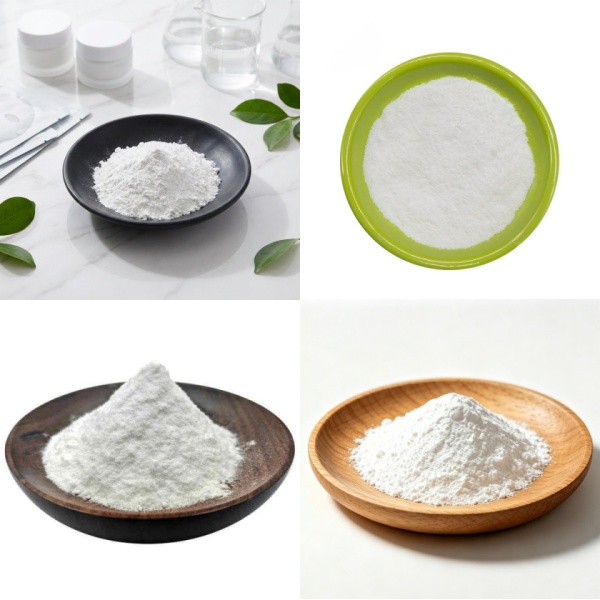
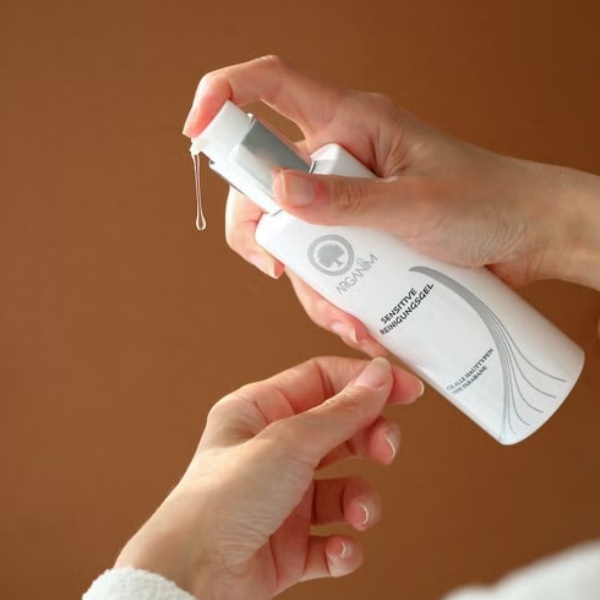
Cosmetic active ingredients are focused ingredients added to skincare, haircare, body care, and color products to deliver a clear consumer benefit. Unlike basic carriers, cosmetic active ingredients target concerns such as dryness, dullness, sensitivity, uneven tone, signs of aging, and weak hair. Cosmetic active ingredients may include vitamins, botanical extracts, peptides, ceramides, acids, antioxidants, minerals, and biotechnology-derived compounds. Each option works through a different pathway, so formulators can select cosmetic active ingredients according to skin type, product format, claims, and market position. Moisturizing cosmetic active ingredients help attract or hold water, while barrier-supporting materials help reduce moisture loss and improve comfort. Brightening cosmetic active ingredients can support a more even-looking complexion, and soothing cosmetic active ingredients can help calm visible redness linked to environmental stress. Cosmetic active ingredients also support cleansing, sun care, scalp care, and anti-pollution products. Their technological value comes from controlled purity, stable performance, compatibility with emulsions or water-based systems, and the ability to remain effective at practical use levels. Encapsulation, dispersion, and pH management can protect cosmetic active ingredients from light, oxygen, heat, or unwanted reactions. Cosmetic active ingredients are available in powders, liquids, dispersions, and standardized extracts, giving manufacturers flexibility during production. Buyers should review the recommended dosage, solubility, processing temperature, preservation needs, regulatory status, and evidence behind each claim. The best cosmetic active ingredients combine reliable performance with simple formulation handling and a benefit consumers can understand.
 EN
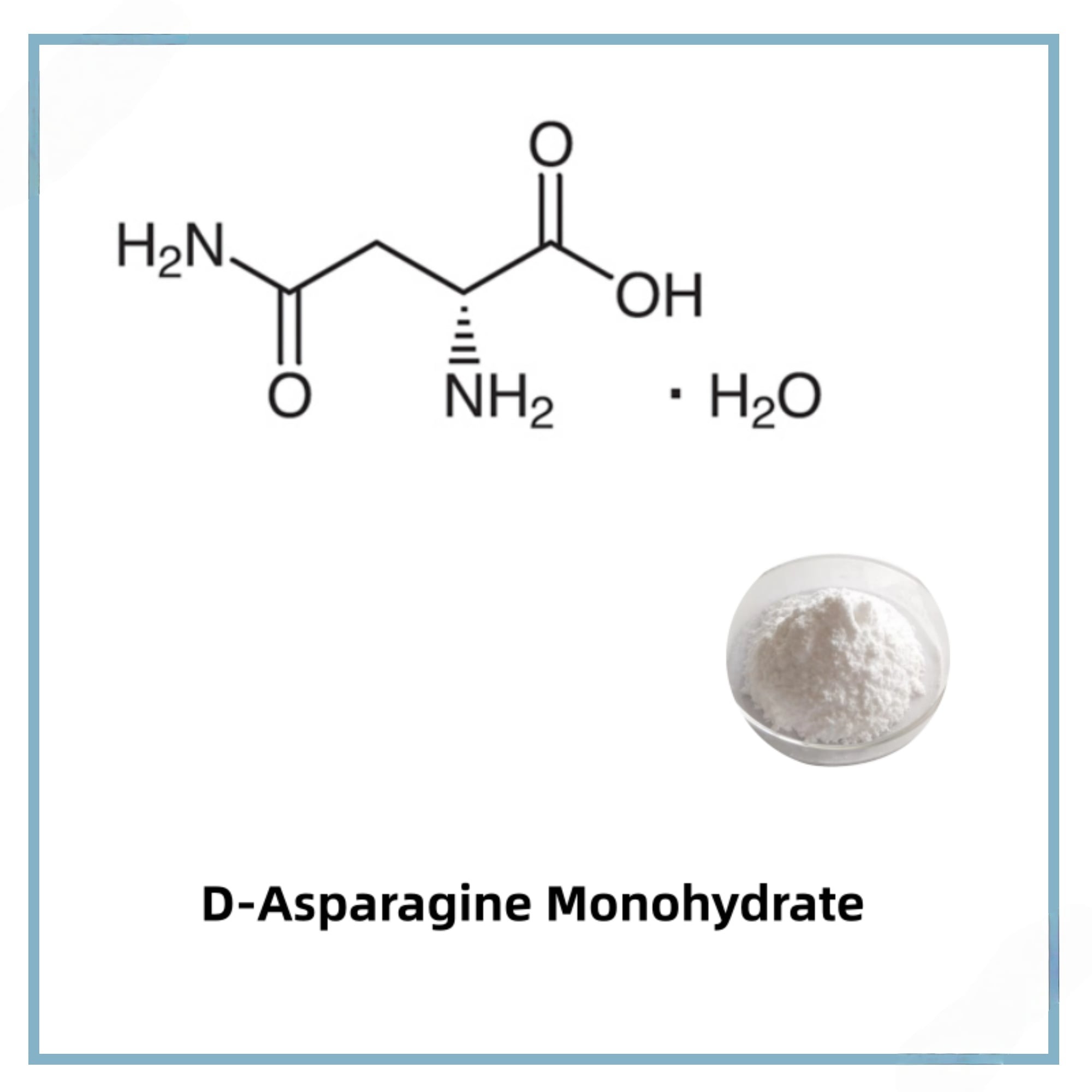 CAS 5794-24-1"
loading="lazy"
>
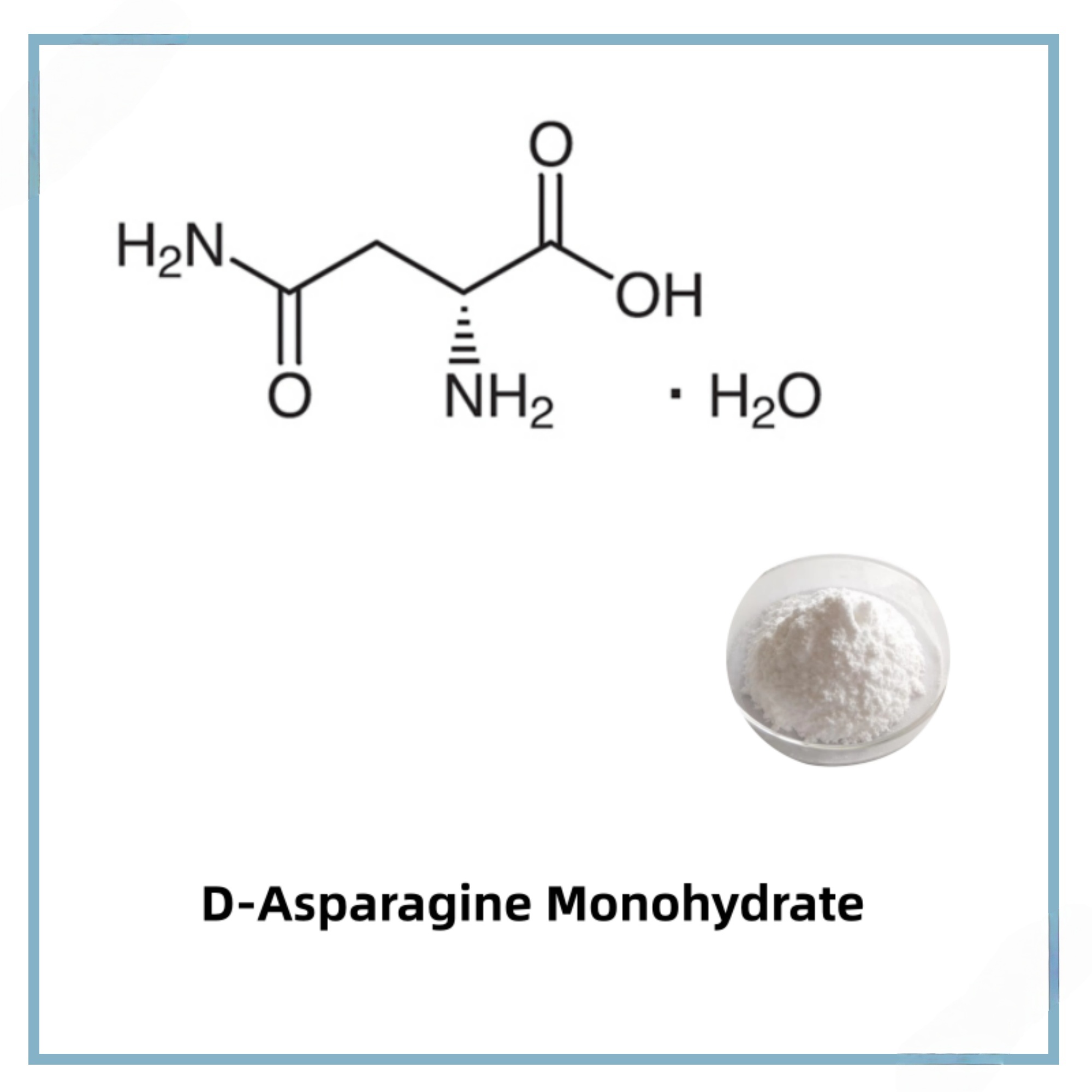 CAS 70-47-3"
loading="lazy"
>
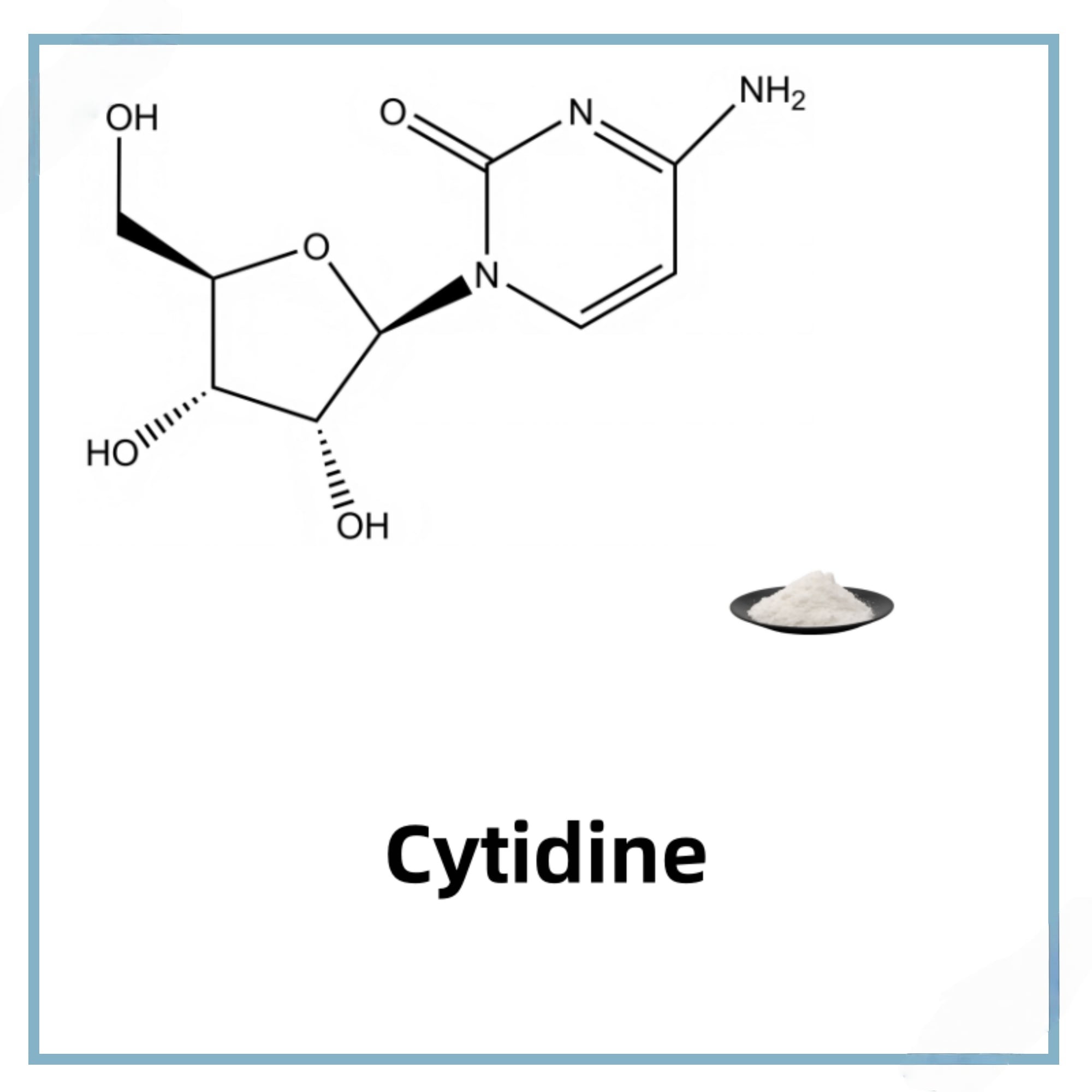 CAS 65-46-3"
loading="lazy"
>
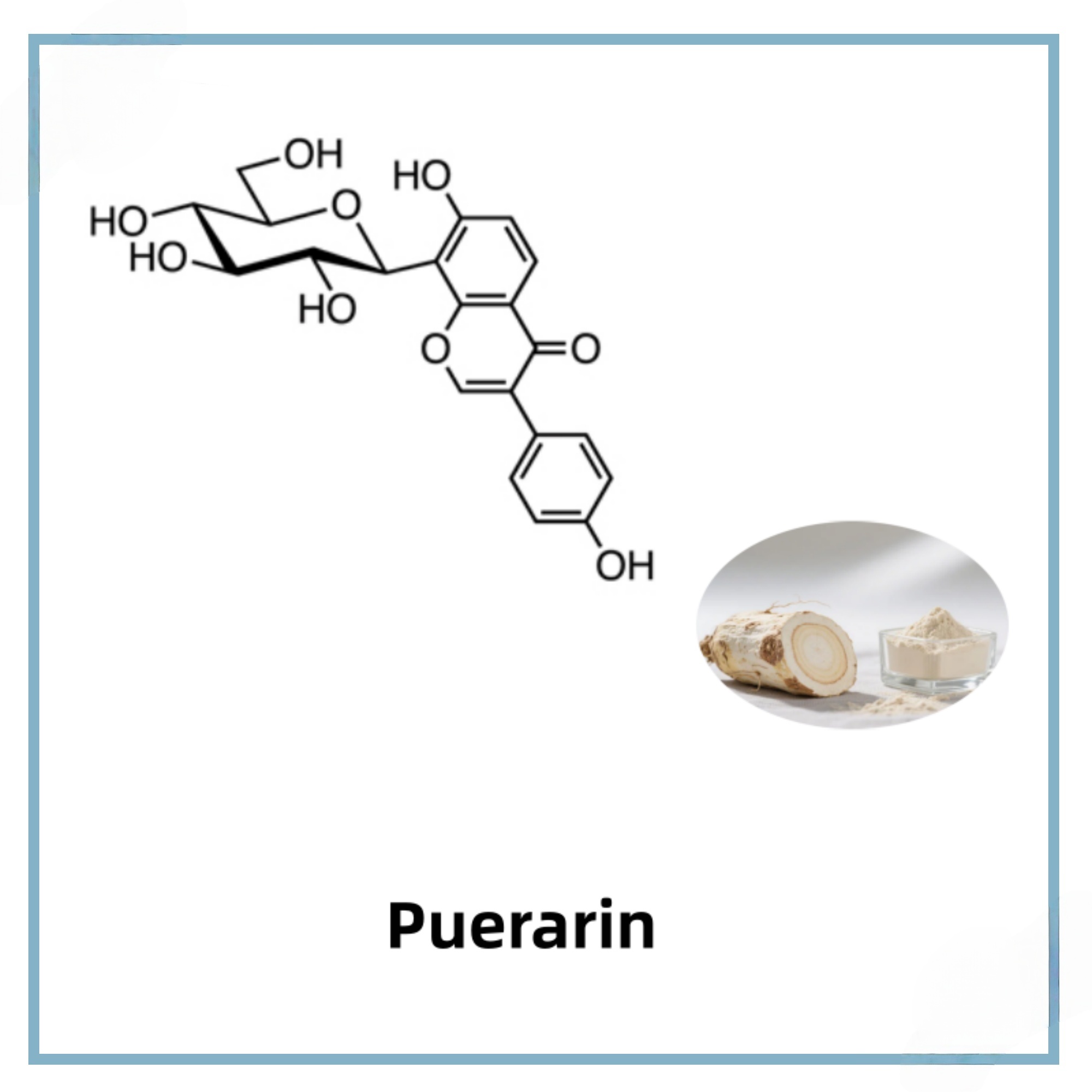 CAS 3681-99-0"
loading="lazy"
>