Cosmetic Actives for Advanced Skin Care

All Categories

cosmetic actives

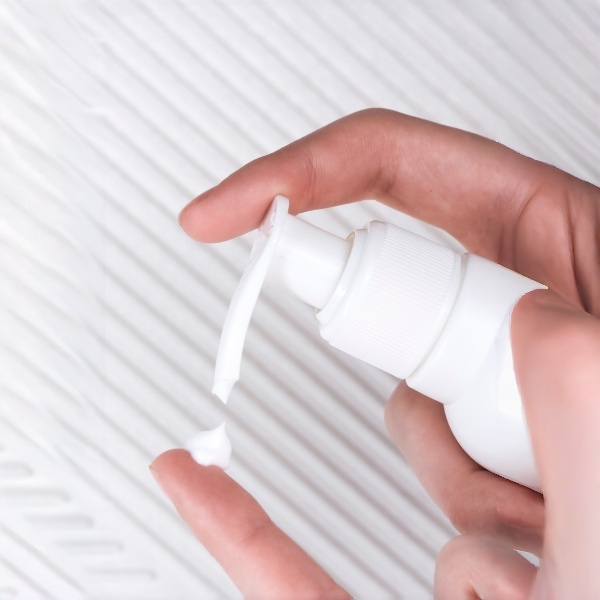
Cosmetic actives are targeted ingredients added to skin, hair, and personal care formulas to create a measurable benefit. Unlike basic emollients, thickeners, or fragrances, cosmetic actives support a specific consumer claim, such as hydration, brightening, soothing, firming, barrier support, or scalp care. Cosmetic actives can include botanical extracts, vitamins, peptides, ceramides, acids, fermented materials, minerals, and carefully designed functional compounds. Their performance depends on ingredient quality, concentration, compatibility, and delivery within the finished product. Modern cosmetic actives often use encapsulation, liposomal carriers, controlled-release systems, fermentation, or micronized particle technology. These features can improve stability, protect sensitive materials, support even distribution, and help cosmetic actives reach the intended surface more effectively. Formulators select cosmetic actives according to skin type, product format, target market, and claim requirements. A water-soluble active may suit a serum or toner, while an oil-compatible active may perform better in a cream, balm, or cleansing oil. Some cosmetic actives work quickly by improving surface feel and moisture, whereas others need consistent use to support visible changes. Cosmetic actives can also combine complementary benefits, allowing one formula to address dryness, dullness, sensitivity, or signs of aging. Reliable cosmetic actives should offer clear technical documentation, consistent batch quality, suitable preservation compatibility, and guidance on use levels. For brands, cosmetic actives provide a practical route to develop differentiated products that answer specific consumer needs while supporting credible, easy-to-communicate product positioning.

New Product Recommendations

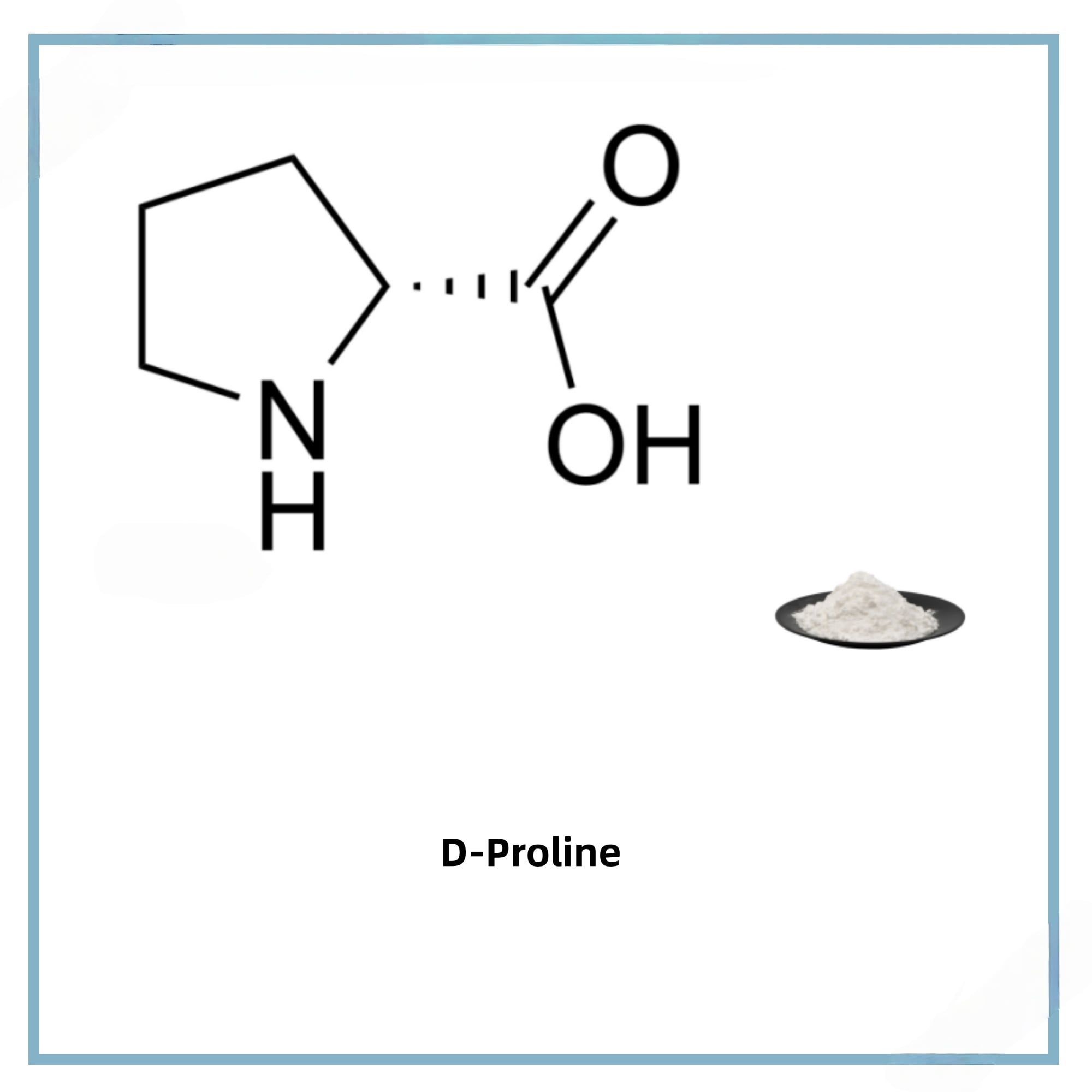
D-Proline<br alt=CAS 344-25-2" loading="lazy" > VIEW DETAILS
L-Asparagine Anhydrous<br alt=CAS 70-47-3" loading="lazy" > VIEW DETAILS
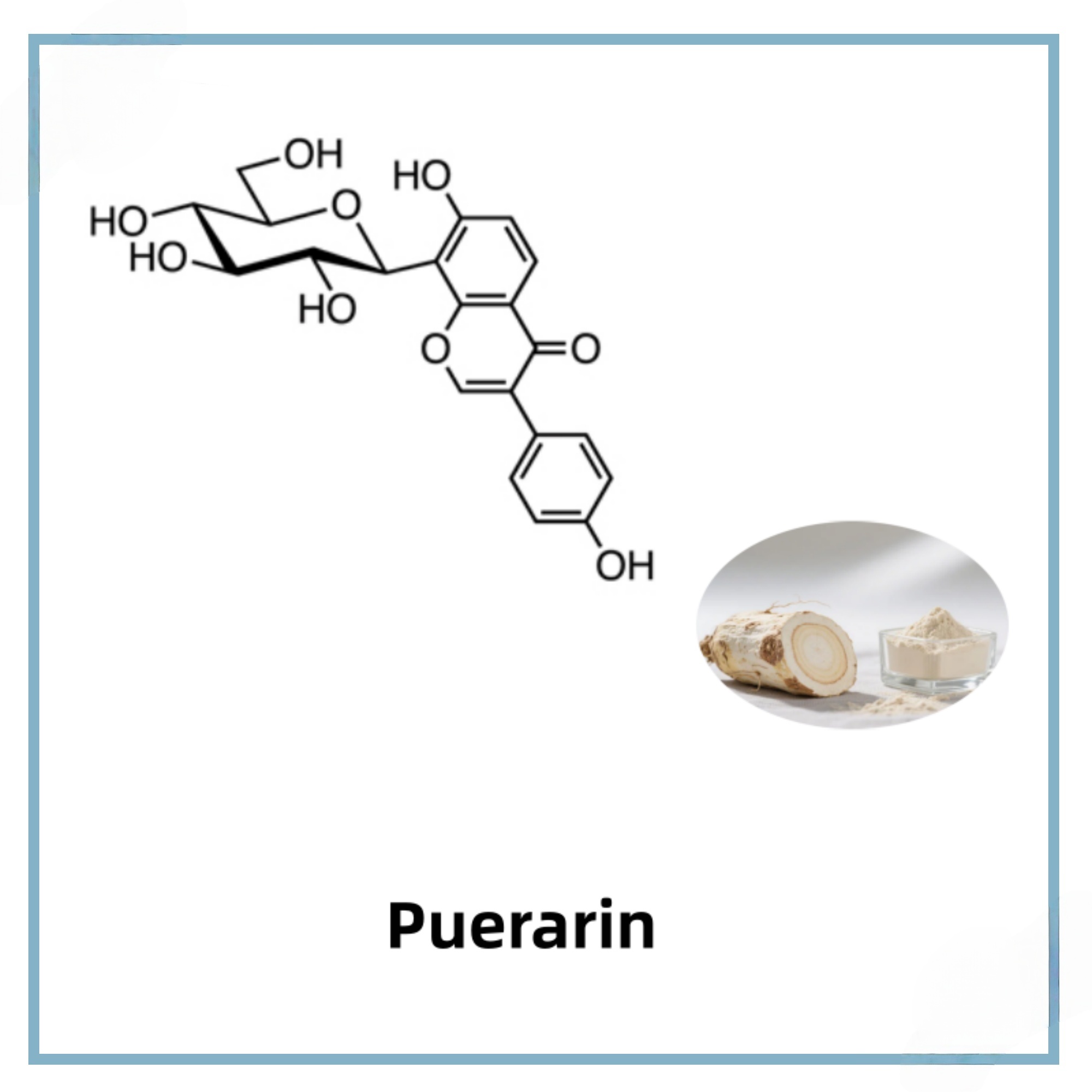
Puerarin<BR alt=CAS 3681-99-0" loading="lazy" > VIEW DETAILS
The main advantage of cosmetic actives is that they give a product a clear purpose. Cosmetic actives help brands move beyond a basic cleansing or moisturizing promise by supporting benefits consumers can understand, compare, and seek. A well-selected active can make a serum feel more valuable, strengthen a product story, and support a premium position without requiring an unnecessarily complex formula. Cosmetic actives also help formulators create products for defined needs, including dry skin, oily skin, uneven tone, reactive skin, mature skin, damaged hair, and sensitive scalps. This application flexibility lets one supplier serve many product categories, from creams and masks to shampoos and leave-on treatments. Advanced cosmetic actives can improve formula performance through better solubility, dispersion, stability, or controlled release. These technological benefits reduce avoidable processing problems and can help preserve performance during storage. Suppliers that provide usage guidance, compatibility data, safety information, and test results make cosmetic actives easier to evaluate and scale. Buyers can therefore compare ingredients on more than marketing language; they can assess practical fit, expected dose, processing needs, documentation, and supply reliability. Cosmetic actives may also support shorter development cycles when they arrive with clear formulation instructions and tested application examples. Their versatility helps brands create coordinated ranges, such as a cleanser, serum, and cream built around a shared benefit. For manufacturers, cosmetic actives can improve product differentiation while keeping the customer benefit visible on the label. The best cosmetic actives balance performance, sensory quality, regulatory suitability, and cost. This balance gives buyers confidence that an ingredient can work in a real formula, not only in a laboratory description. Cosmetic actives also allow brands to respond quickly to trends such as barrier care, microbiome-friendly beauty, plant-based formulas, and simplified routines.

Tips And Tricks

2-Deoxy-D-Ribose (2-DDR): The Emerging Ingredient Transforming Modern Scalp Revitalization Solutions

22

Jul

2-Deoxy-D-Ribose (2-DDR): The Emerging Ingredient Transforming Modern Scalp Revitalization Solutions

Over the past few years, the global hair care industry has experienced a significant shift often referred to as “Skinification.” Consumers are no longer focused solely on the appearance of their hair. Instead, they increasingly view scalp health with the same importance as facial skincare, driving demand for advanced ingredients that support the scalp ecosystem at a deeper biological level.
View More
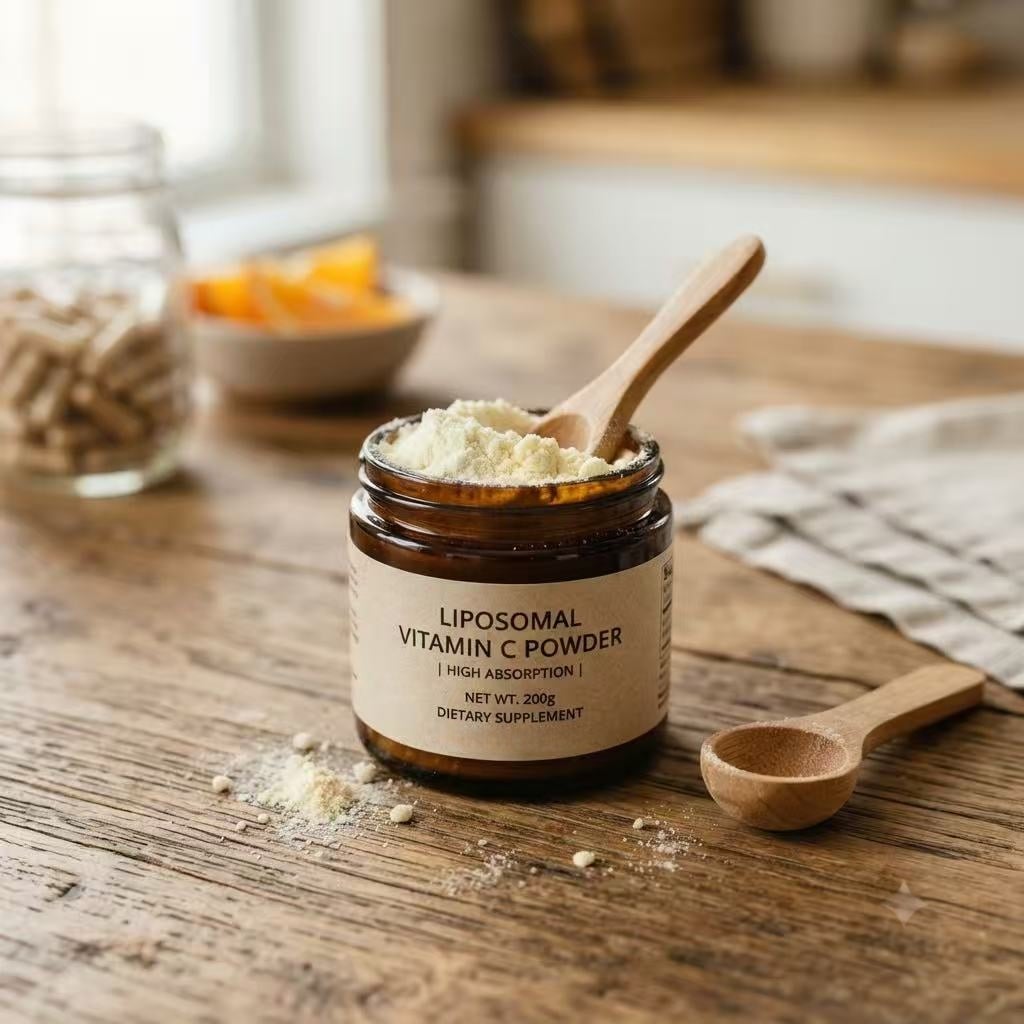
Liposomal Vitamin C: Benefits, Mechanisms, and Formulation Guides

26

Sep

Liposomal Vitamin C: Benefits, Mechanisms, and Formulation Guides

A guide to liposomal vitamin C for supplement formulators, covering phospholipid delivery, ingredient formats, quality documents and raw material selection.
View More

Get a Free Quote

Our representative will contact you soon.
Email
Name
Company Name
Message
0/1000

cosmetic actives

Targeted Benefits for Clearer Product Claims

Targeted Benefits for Clearer Product Claims

Cosmetic actives help brands connect a formula with a specific consumer concern. Rather than presenting a product as generally nourishing, cosmetic actives can support clear positioning around hydration, calming, tone refinement, firmness, protection, or scalp comfort. This focus makes cosmetic actives useful for product pages, packaging, retailer presentations, and sales training. Cosmetic actives also help development teams choose a more precise ingredient strategy. A moisture-focused formula may combine humectant support with barrier-friendly materials, while a brightening product may use cosmetic actives selected for tone appearance and antioxidant support. This targeted approach improves the logic behind the formula and makes the finished product easier to explain. When cosmetic actives have suitable test data and usage recommendations, brands can build claims with greater confidence. Cosmetic actives therefore create value at both the formulation and marketing stages. They help buyers launch products that address recognizable needs, stand apart from generic alternatives, and communicate a benefit without relying on vague technical language. This clarity can improve customer understanding, retailer acceptance, and repeat purchase potential.
Technology That Protects Ingredient Performance

Technology That Protects Ingredient Performance

Modern cosmetic actives use delivery and processing technologies that help maintain their value inside a finished formula. Encapsulation can shield sensitive cosmetic actives from light, oxygen, water, or unwanted reactions. Liposomal systems and other carrier approaches may improve distribution across the product and support a more controlled release. Fermentation can help produce cosmetic actives with consistent composition, while micronization may improve dispersion and sensory smoothness. These technologies matter because cosmetic actives must remain stable from production through consumer use. A technically strong ingredient can reduce settling, separation, color change, odor concerns, or loss of activity when the formulator follows the supplier's guidance. Cosmetic actives with good compatibility also give manufacturers more freedom across creams, gels, emulsions, masks, serums, and hair care products. Buyers should review stability data, recommended processing temperatures, pH range, packaging advice, and storage conditions before selection. With this information, cosmetic actives become easier to manage in pilot batches and commercial production. The result is more predictable quality, better consistency between batches, and stronger confidence in the product's shelf life and customer experience.
Flexible Solutions for Diverse Formulas

Flexible Solutions for Diverse Formulas

Cosmetic actives support broad application development because they can be selected according to format, skin concern, and consumer preference. Water-compatible cosmetic actives suit toners, essences, gels, and light serums, while oil-compatible options fit balms, facial oils, rich creams, and cleansing products. Other cosmetic actives can work in shampoos, conditioners, masks, body care, or scalp treatments. This flexibility helps brands build a coherent range without forcing one ingredient into every product. Cosmetic actives can also serve different market directions, including plant-inspired beauty, sensitive-skin care, professional treatments, minimalist routines, and premium anti-aging lines. Formulators can select cosmetic actives based on sensory goals, desired claim, processing method, and target cost. Suppliers may further support development with sample formulas, recommended combinations, technical sheets, and application testing. These resources reduce guesswork and help teams move from concept to validation more efficiently. Cosmetic actives are especially valuable when a brand needs one strong story with several product expressions. By choosing compatible cosmetic actives for each format, manufacturers can maintain consistent positioning while delivering a suitable texture, use experience, and benefit across the full range.
Call
+86-18265650337
WhatsApp
Cosmetic Actives for Advanced Skin Care
Email Inquiry

Get a Free Quote

Our representative will contact you soon.
Email
Name
Company Name
Message
0/1000