d ribose and d 2 deoxyribose
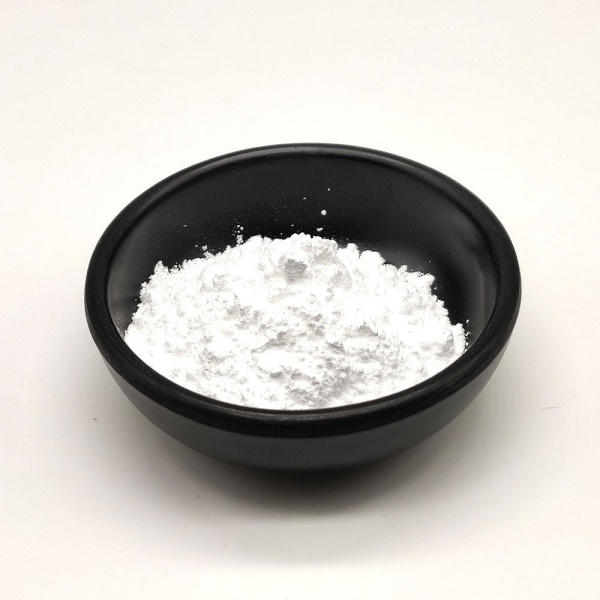
d ribose and d 2 deoxyribose are closely related five-carbon sugars that support two essential biological information and energy systems. d ribose forms the sugar backbone of RNA, while d 2 deoxyribose forms the sugar backbone of DNA. This structural difference gives each material a distinct role in research, biotechnology, diagnostics, pharmaceutical development, and biochemical manufacturing. Understanding d ribose and d 2 deoxyribose helps buyers choose the correct ingredient for a target process. In practical terms, d ribose supports molecules involved in cellular energy transfer, including ATP-related pathways, and helps build RNA-based compounds. d 2 deoxyribose supports the stable structure of DNA and is used when researchers need to study genetic material, replication, sequencing, or molecular identification. Commercial d ribose and d 2 deoxyribose products are typically supplied as controlled chemical materials with defined identity, purity, physical form, and packaging. Their technological value comes from consistent composition, compatibility with laboratory synthesis, and suitability for controlled reaction conditions. Suppliers may offer different grades, quantities, documentation packages, and storage formats to meet research or production needs. Buyers should review assay, moisture, residual solvents, trace metals, microbial status, and certificate information before purchase. d ribose and d 2 deoxyribose can appear in standards, reference materials, custom synthesis programs, and analytical workflows. One material is not a direct substitute for the other because their molecular structures serve different purposes. For dependable results, d ribose and d 2 deoxyribose should be selected according to the intended pathway, method, scale, and required quality level.

 EN
EN
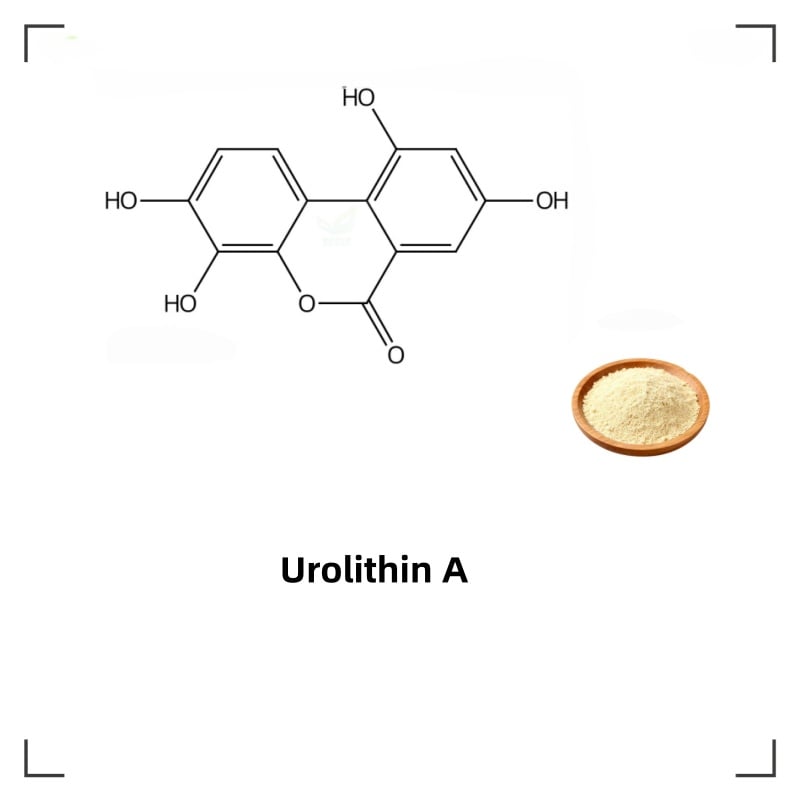 CAS No. 1143-70-0"
loading="lazy"
>
CAS No. 1143-70-0"
loading="lazy"
>
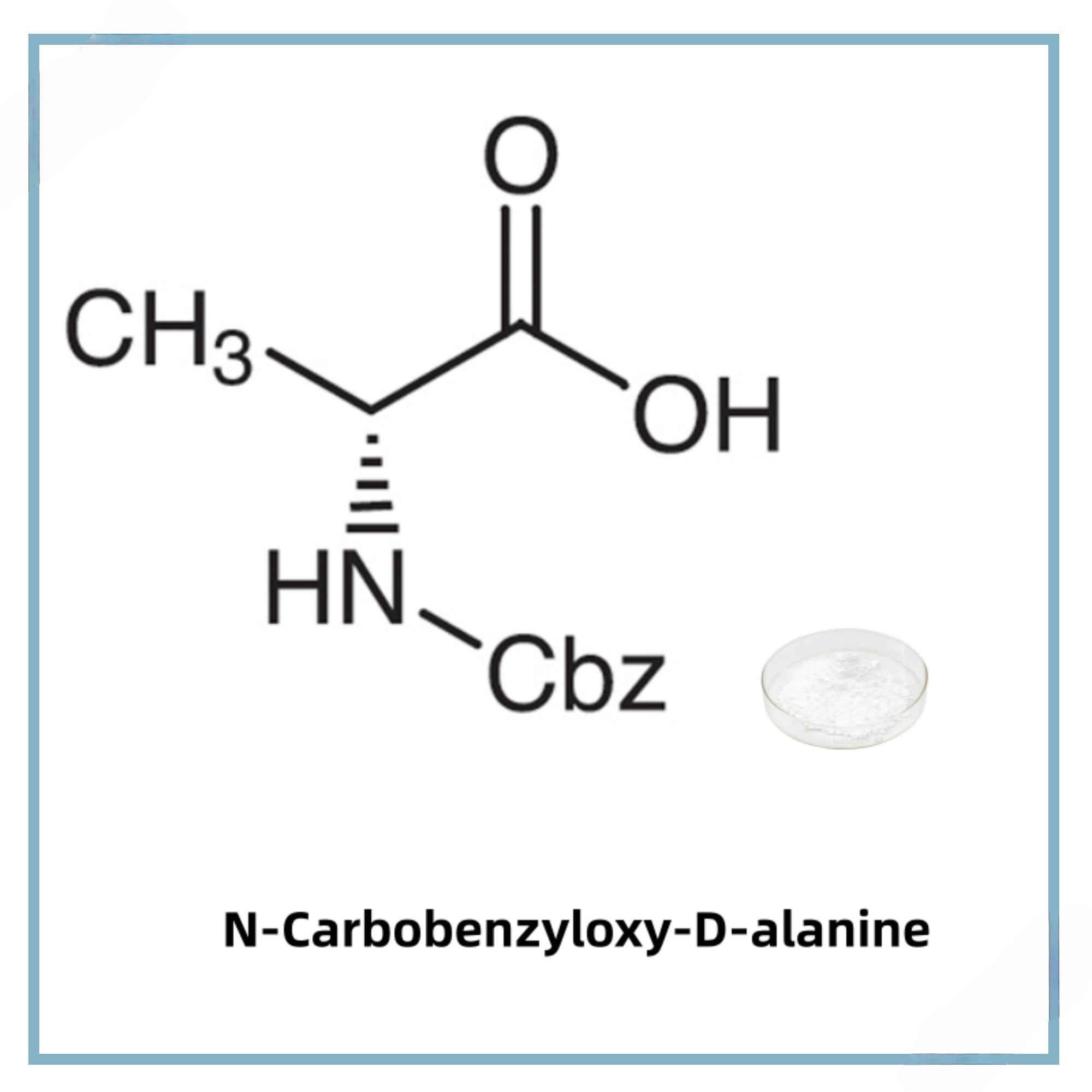 CAS 26607-51-2"
loading="lazy"
>
CAS 26607-51-2"
loading="lazy"
>
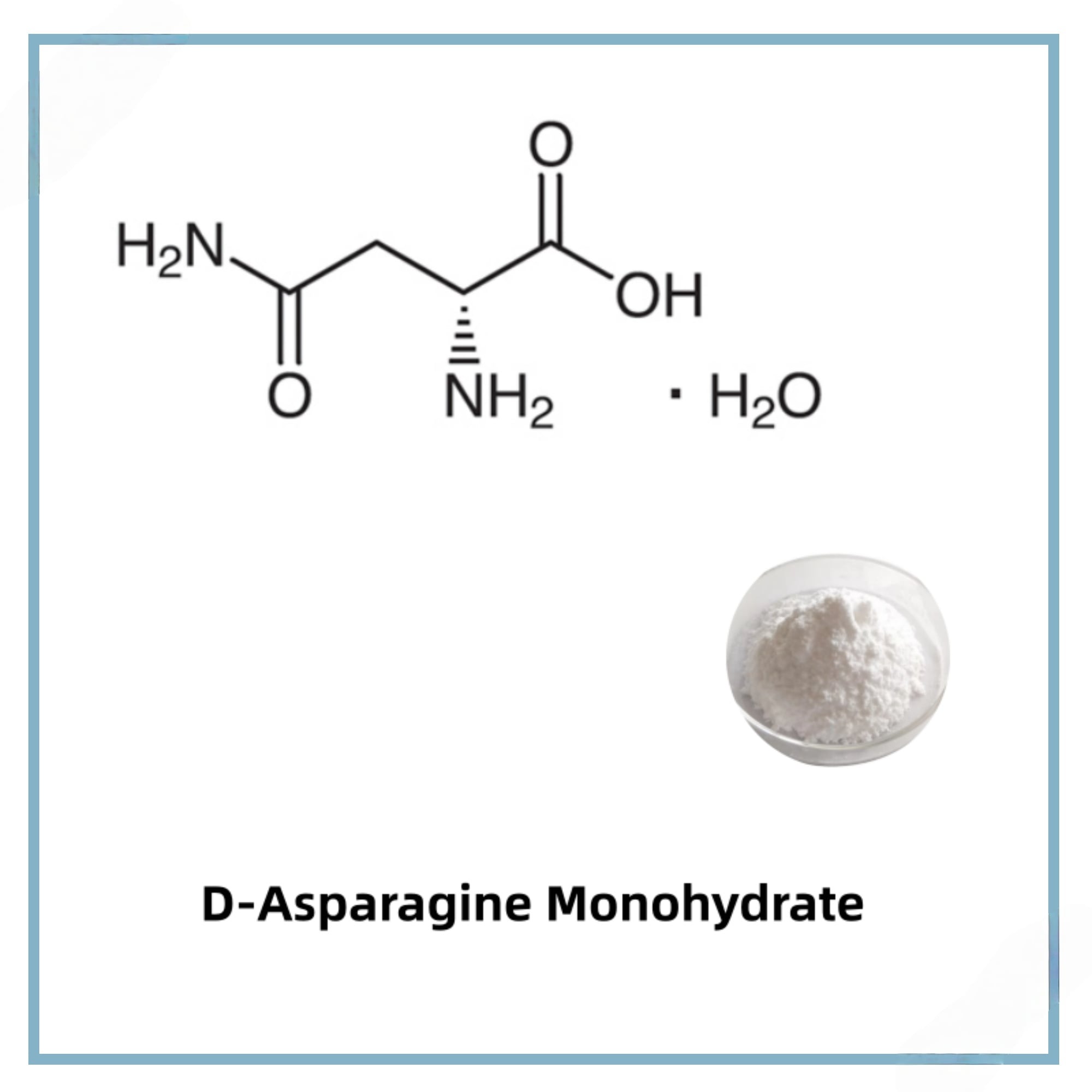 CAS 5794-24-1"
loading="lazy"
>
CAS 5794-24-1"
loading="lazy"
>
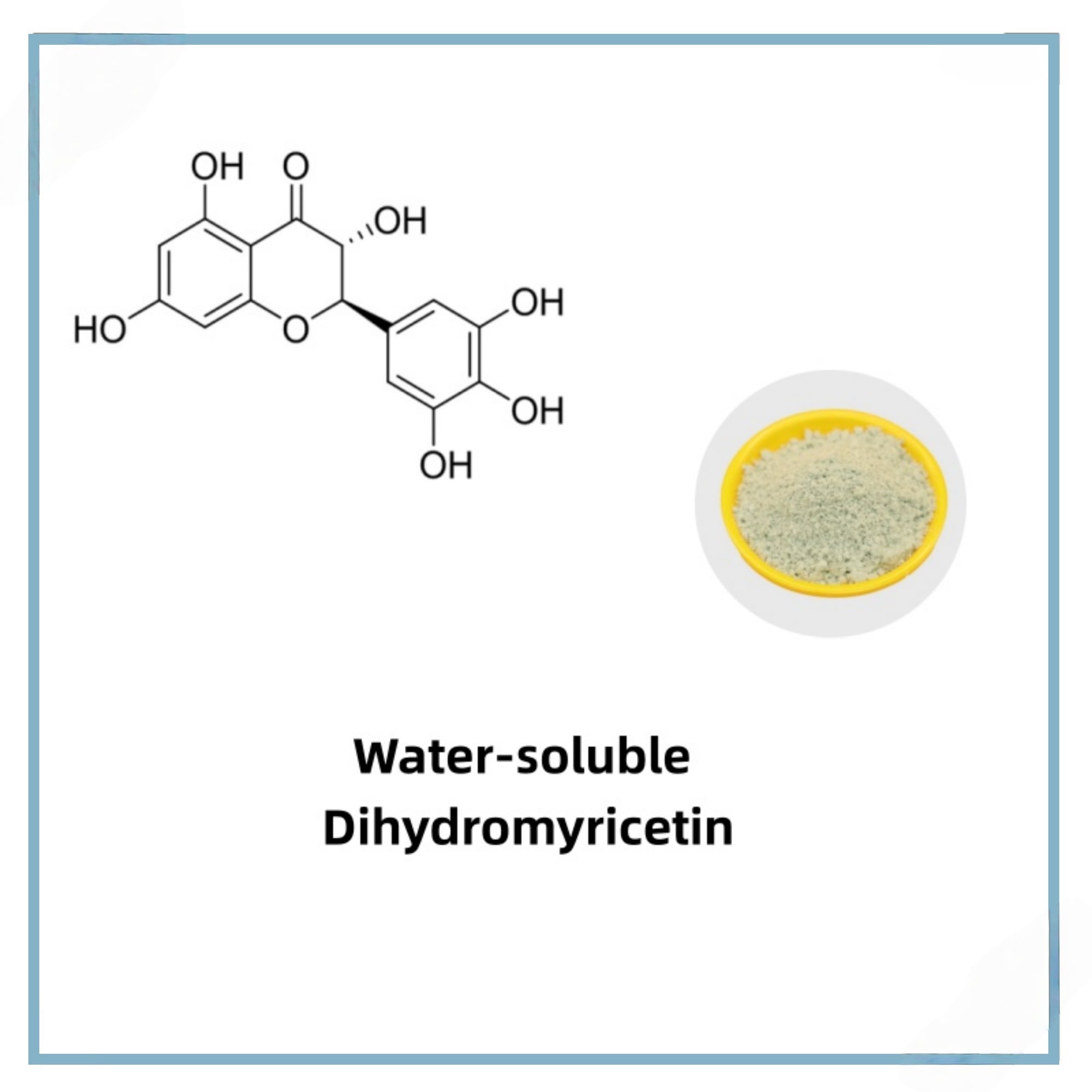 CAS 27200-12-0"
loading="lazy"
>
CAS 27200-12-0"
loading="lazy"
>