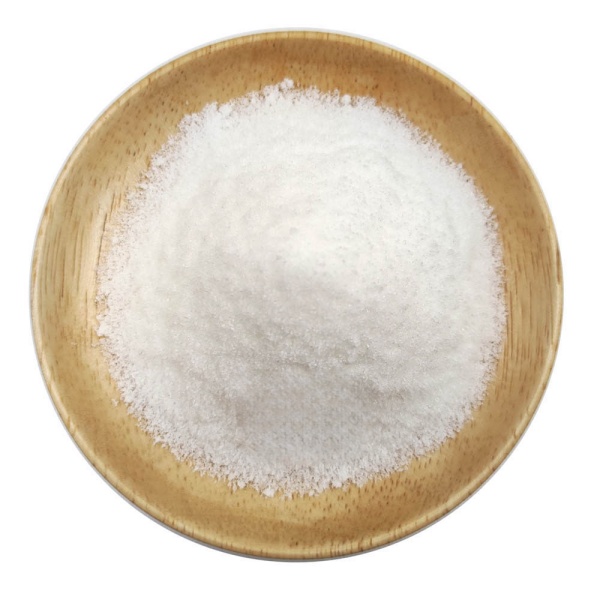
2 deoxy d ribose
2 deoxy d ribose is a naturally occurring five-carbon sugar and a key building block of DNA. Unlike ribose, 2 deoxy d ribose has one less oxygen atom at the 2 position, giving DNA its greater chemical stability. At a molecular level, 2 deoxy d ribose connects phosphate groups and nitrogen-containing bases to form the repeating backbone of genetic material. Because 2 deoxy d ribose lacks the extra hydroxyl group found in ribose, DNA can store biological information for long periods with less risk of unwanted breakdown. This structure lets 2 deoxy d ribose support the formation of deoxyribonucleotides, the units needed to build and copy DNA. In practice, 2 deoxy d ribose is used in biochemical research, molecular biology, diagnostic development, teaching laboratories, and specialized synthesis. Researchers use 2 deoxy d ribose when studying DNA replication, repair, sequencing, amplification, and enzyme activity. For production teams, 2 deoxy d ribose can serve as a starting material for preparing nucleosides, nucleotides, reference compounds, and assay components. A supplier may offer 2 deoxy d ribose as a purified laboratory reagent, custom grade material, or research-use product, with specifications covering identity, purity, moisture, and packaging. Overall, 2 deoxy d ribose combines a clear biological role with practical value in controlled laboratory workflows. Buyers should review grade, certificate data, lot consistency, storage requirements, and intended use before ordering. Its reliable structure makes 2 deoxy d ribose a relevant choice for organizations that need dependable DNA-related materials.

 EN
EN
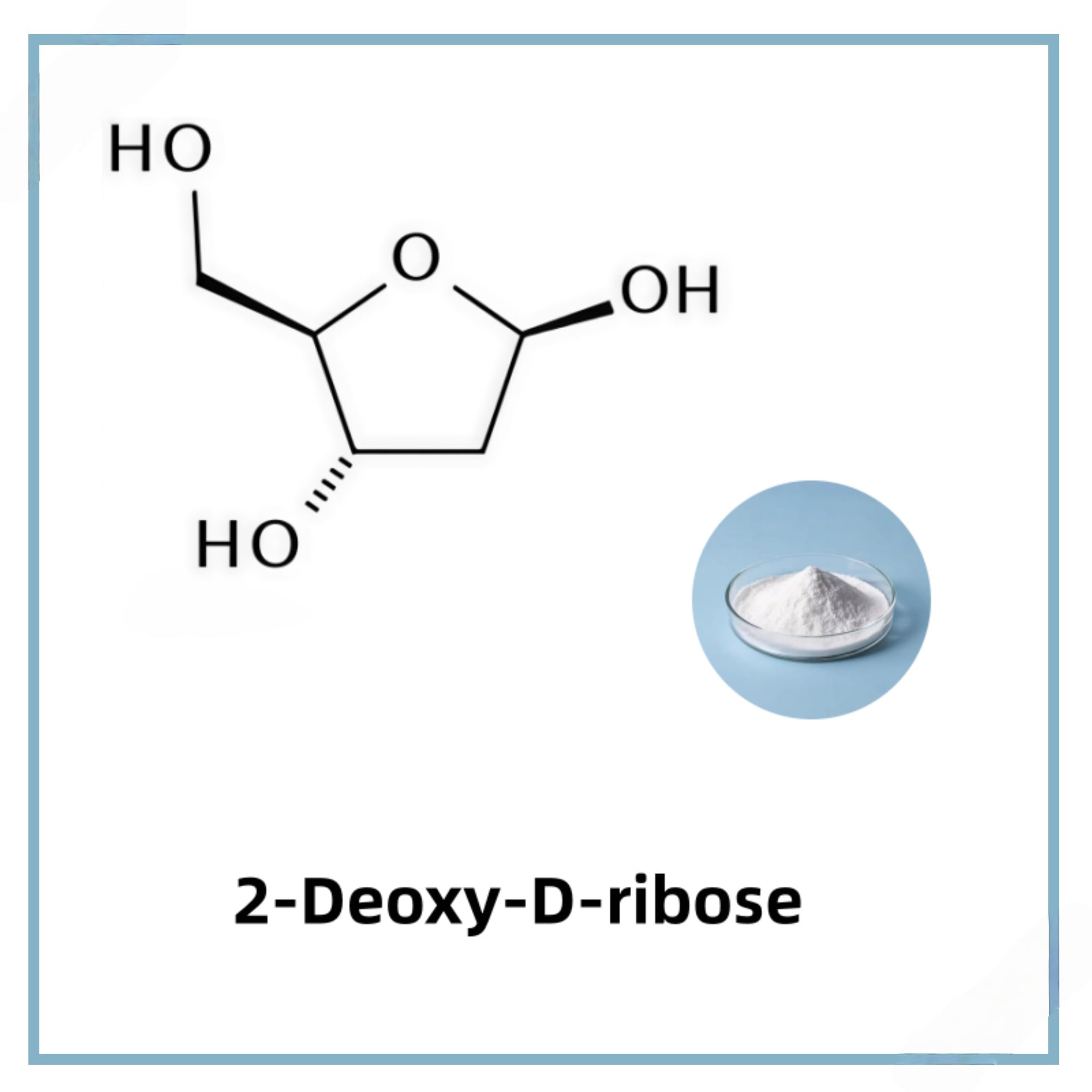 2DDR CAS 533-67-5"
loading="lazy"
>
2DDR CAS 533-67-5"
loading="lazy"
>
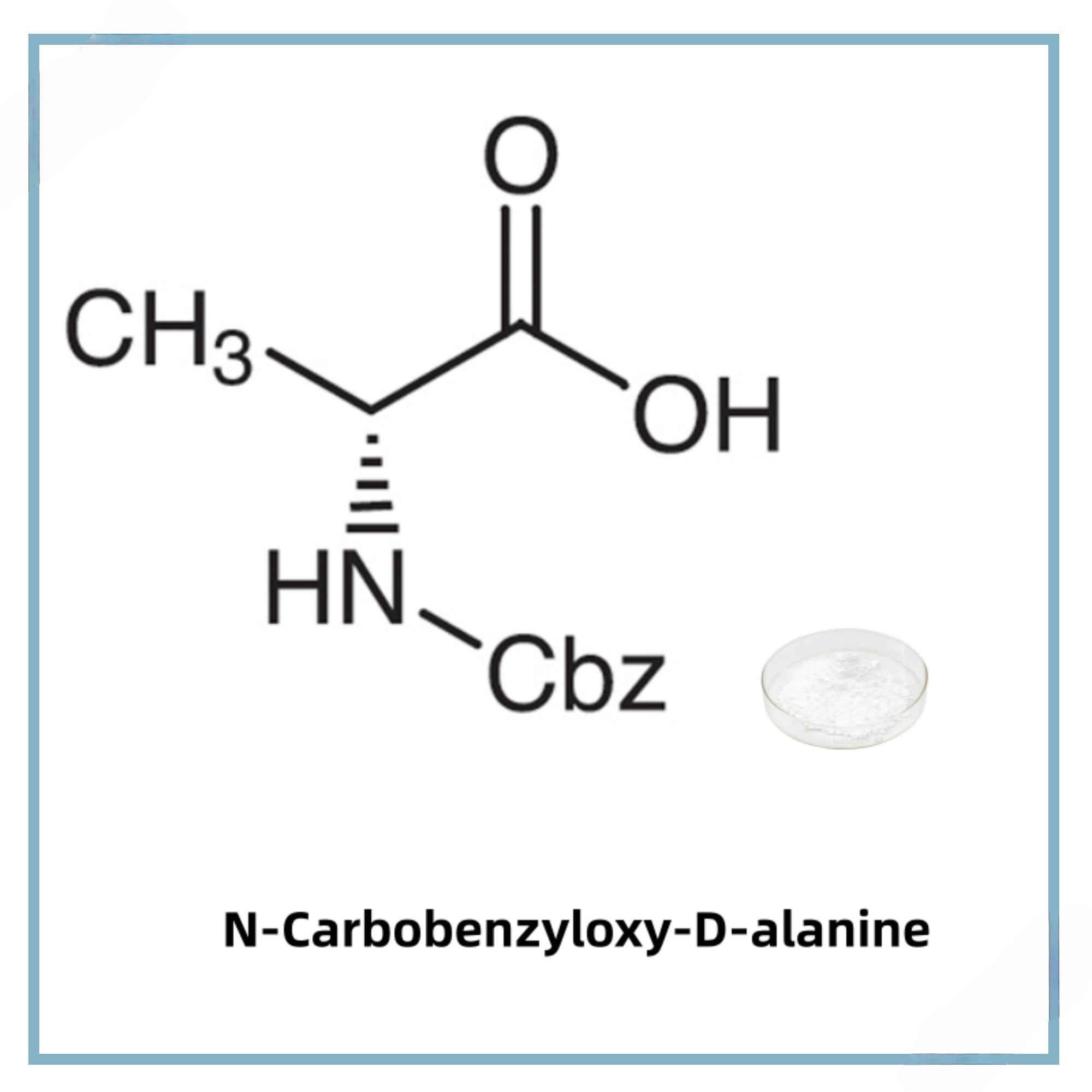 CAS 26607-51-2"
loading="lazy"
>
CAS 26607-51-2"
loading="lazy"
>
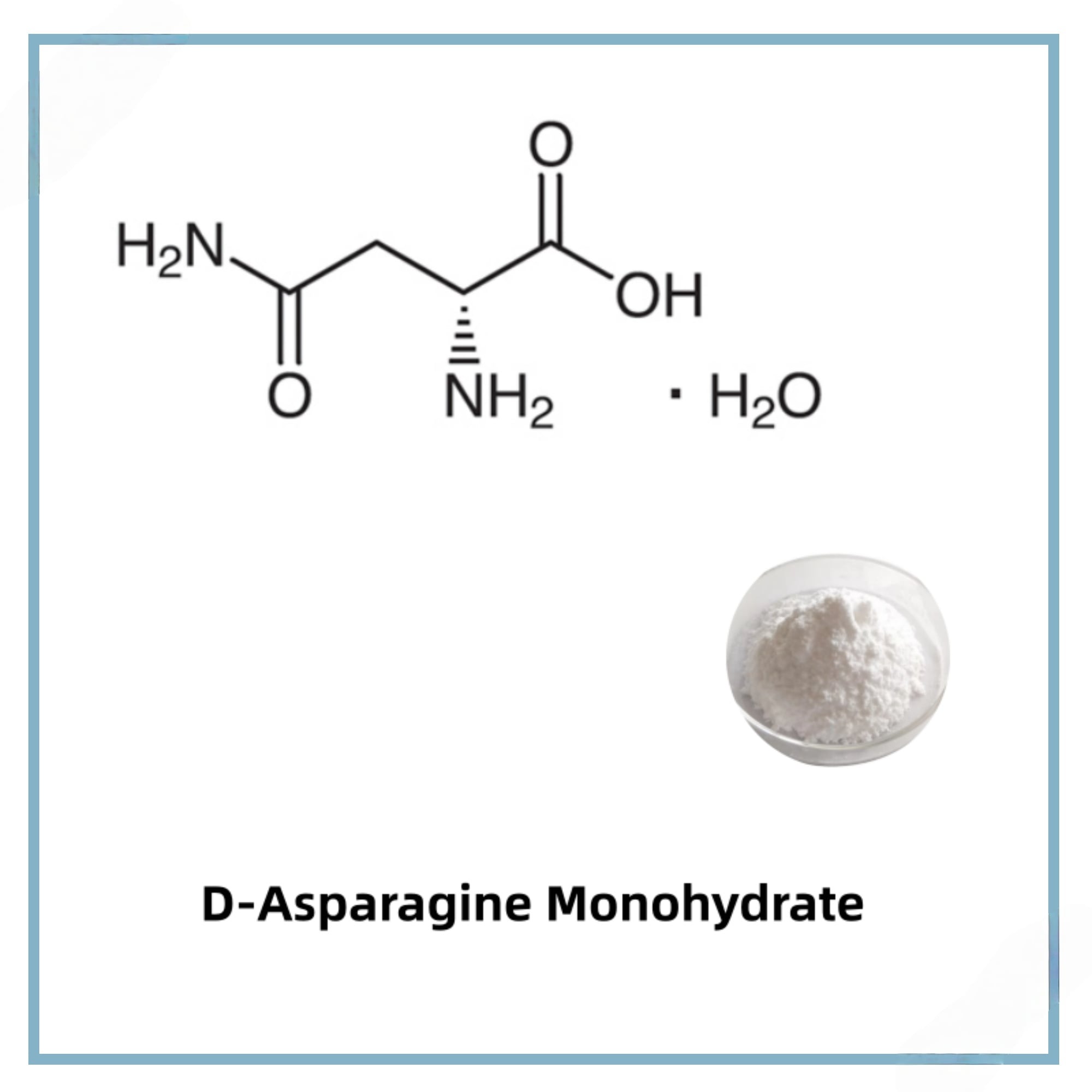 CAS 5794-24-1"
loading="lazy"
>
CAS 5794-24-1"
loading="lazy"
>
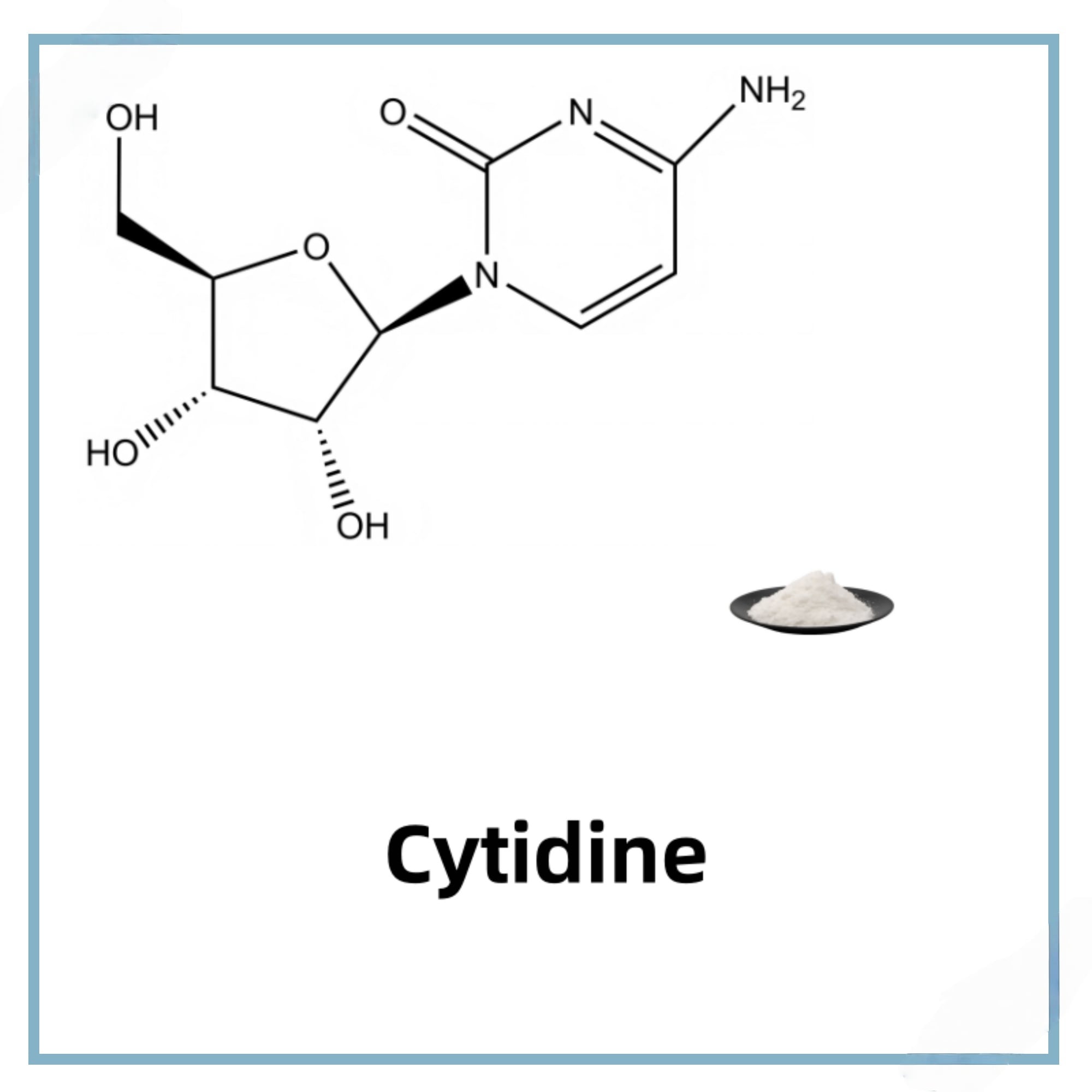 CAS 65-46-3"
loading="lazy"
>
CAS 65-46-3"
loading="lazy"
>