Premium Cosmetic Materials for Beauty Products

All Categories

cosmetic materials

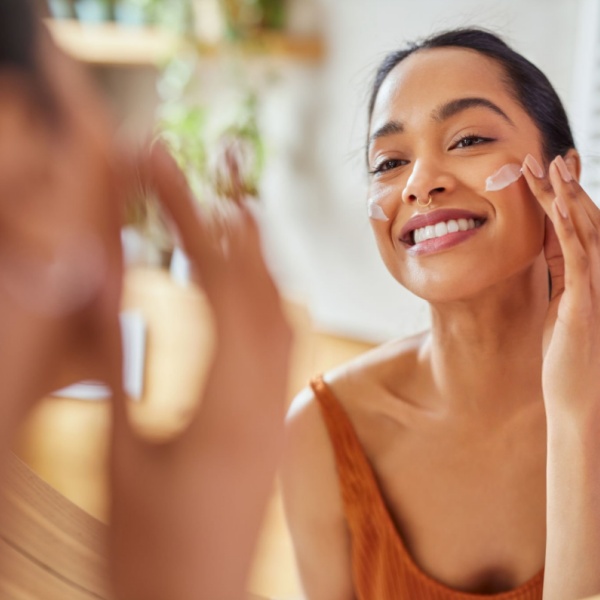
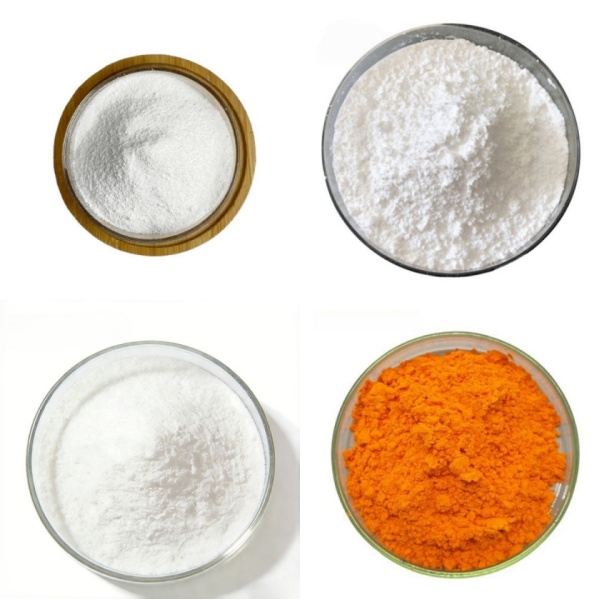
Cosmetic materials form the foundation of modern beauty and personal care products, encompassing a diverse range of ingredients and components that deliver functionality, safety, and aesthetic appeal. These essential materials include active ingredients, emulsifiers, preservatives, pigments, surfactants, thickeners, and specialty additives that work together to create effective formulations. The cosmetic materials industry has evolved significantly, incorporating advanced biotechnology, sustainable sourcing practices, and innovative delivery systems to meet consumer demands for efficacy and safety. From natural botanical extracts to synthetic compounds engineered for specific performance characteristics, these materials serve multiple functions including moisturization, anti-aging, sun protection, color enhancement, and skin barrier repair. Manufacturers rely on high-quality cosmetic materials to ensure product stability, texture, sensory experience, and regulatory compliance across diverse categories such as skincare, makeup, haircare, and body care. The selection of appropriate cosmetic materials directly impacts formulation success, requiring careful consideration of ingredient compatibility, concentration levels, and intended application. Modern cosmetic materials leverage cutting-edge research in dermatology, chemistry, and materials science to address specific skin concerns while maintaining gentleness and tolerability. As consumer awareness grows regarding ingredient transparency and sustainability, the demand for responsibly sourced, traceable cosmetic materials continues to increase, driving innovation in green chemistry and bio-based alternatives that deliver performance without compromising environmental values.

New Products

L-Prolinamide<br alt=CAS 7531-52-4" loading="lazy" > VIEW DETAILS
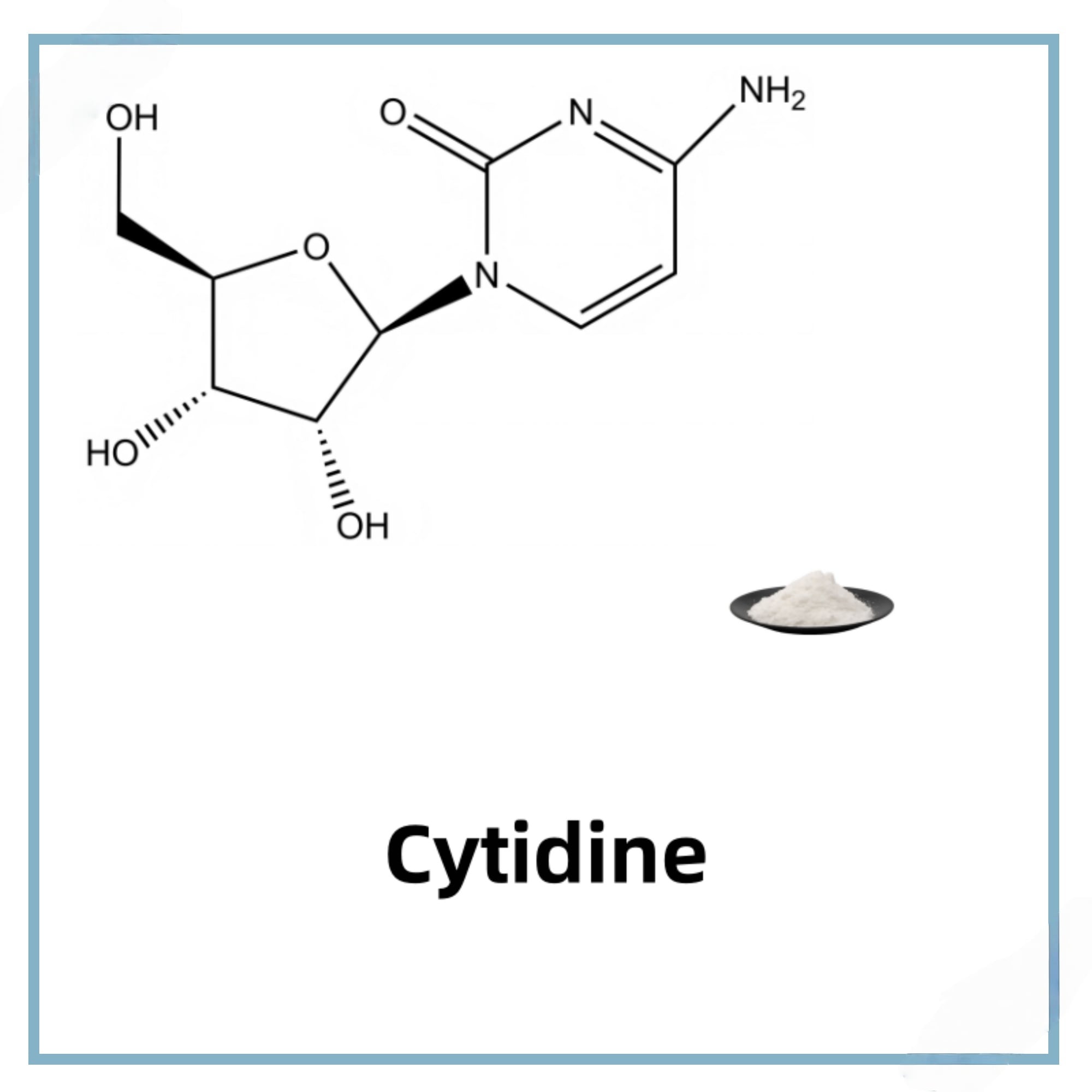
Cytidine<br alt=CAS 65-46-3" loading="lazy" > VIEW DETAILS
Resveratrol<br alt=CAS 501-36-0" loading="lazy" > VIEW DETAILS
Choosing premium cosmetic materials provides manufacturers with substantial competitive advantages that translate directly into superior product performance and market success. Quality cosmetic materials ensure formulation stability across varied storage conditions and extended shelf life, reducing costly reformulation efforts and product returns. These materials offer predictable behavior during manufacturing processes, enabling efficient production scaling from laboratory batches to commercial volumes while maintaining consistency. Formulators benefit from extensive technical documentation, safety data, and application guidance that accelerates product development timelines and reduces trial-and-error testing. High-performance cosmetic materials deliver enhanced sensory experiences through improved texture, absorption rates, and skin feel that directly influence consumer satisfaction and repurchase decisions. Investing in certified, tested cosmetic materials minimizes regulatory risks by ensuring compliance with international standards including FDA, EU Cosmetics Regulation, and other regional requirements. Brands using transparent, well-documented cosmetic materials can confidently support marketing claims with scientific evidence, building consumer trust and brand loyalty. Advanced cosmetic materials enable innovative product formats such as waterless formulations, microencapsulated actives, and multi-functional ingredients that differentiate products in crowded markets. The operational benefits extend to simplified inventory management when using versatile cosmetic materials that function across multiple product lines, reducing complexity and storage costs. Sustainable cosmetic materials sourced through ethical supply chains appeal to environmentally conscious consumers while supporting corporate responsibility goals. Reliable supplier partnerships for cosmetic materials provide consistent quality, technical support, and collaborative innovation opportunities that strengthen long-term business success. By prioritizing quality cosmetic materials, manufacturers protect brand reputation, ensure consumer safety, and create products that deliver measurable results, ultimately driving profitability through customer satisfaction and reduced quality-related costs.

Practical Tips

How Technical Grade 2-Deoxy-D-Ribose Suppliers Operate

14

Jul

How Technical Grade 2-Deoxy-D-Ribose Suppliers Operate

View More
Bulk 2-Deoxy-D-Ribose Sourcing for Bio-Tech Sectors

14

Jul

Bulk 2-Deoxy-D-Ribose Sourcing for Bio-Tech Sectors

View More
2-Deoxy-D-Ribose Sourcing for Enzyme Production Scales

14

Jul

2-Deoxy-D-Ribose Sourcing for Enzyme Production Scales

View More
2-Deoxy-D-Ribose Supplier for Pharmaceutical Synthesis

14

Jul

2-Deoxy-D-Ribose Supplier for Pharmaceutical Synthesis

View More

Get a Free Quote

Our representative will contact you soon.
Email
Name
Company Name
Message
0/1000

cosmetic materials

Superior Formulation Versatility and Compatibility

Superior Formulation Versatility and Compatibility

Modern cosmetic materials are engineered to offer exceptional formulation versatility, allowing product developers to create innovative textures and delivery systems that meet diverse consumer preferences. These materials demonstrate broad compatibility across different pH ranges, temperature conditions, and ingredient combinations, enabling formulators to blend actives, emollients, and functional additives without stability concerns. The versatility of quality cosmetic materials extends across product categories, from lightweight serums and rich creams to powder formulations and color cosmetics, providing manufacturers with flexible platforms for line extensions. Advanced cosmetic materials incorporate multifunctional properties, serving simultaneously as emulsifiers, moisturizers, and stabilizers, which simplifies formulation complexity and reduces ingredient lists for clean beauty positioning. This compatibility advantage reduces development time significantly, as formulators spend less effort troubleshooting ingredient interactions and more time optimizing performance characteristics. Manufacturers benefit from reduced raw material inventory when using versatile cosmetic materials across multiple product types, streamlining procurement and warehouse operations while maintaining formulation excellence.
Enhanced Safety Profiles and Regulatory Compliance

Enhanced Safety Profiles and Regulatory Compliance

Premium cosmetic materials undergo rigorous safety testing and toxicological evaluation, providing manufacturers with comprehensive documentation that supports regulatory submissions and compliance requirements worldwide. These materials meet stringent purity standards, with controlled specifications for heavy metals, microbial contamination, and residual solvents that protect consumer health and brand reputation. Reputable suppliers of cosmetic materials maintain detailed batch records, certificates of analysis, and traceability documentation that satisfy regulatory inspections and audit requirements across different markets. The safety advantages extend to hypoallergenic and dermatologically tested cosmetic materials specifically developed for sensitive skin applications, reducing adverse reaction risks and expanding target consumer populations. Manufacturers using well-documented cosmetic materials can confidently navigate complex regulatory landscapes including REACH registration in Europe, California Proposition 65 compliance, and emerging restrictions on controversial ingredients. This regulatory readiness accelerates time-to-market for new products by eliminating delays associated with ingredient approvals or reformulation mandates. Investing in compliant cosmetic materials protects companies from costly product recalls, legal liabilities, and negative publicity that can permanently damage brand equity and consumer trust.
Sustainable Sourcing and Environmental Responsibility

Sustainable Sourcing and Environmental Responsibility

Contemporary cosmetic materials increasingly incorporate sustainable sourcing practices, renewable raw materials, and environmentally responsible production methods that align with growing consumer expectations for ethical beauty products. Biodegradable cosmetic materials derived from plant-based sources, agricultural byproducts, and biotechnology fermentation offer performance equivalent to traditional petroleum-based ingredients while reducing environmental impact. Manufacturers adopting sustainable cosmetic materials can authentically communicate environmental commitments through certifications such as COSMOS, Ecocert, and USDA Organic, which resonate strongly with eco-conscious consumers and premium market segments. These environmentally responsible materials often feature reduced water consumption during production, lower carbon footprints, and ethical labor practices throughout supply chains, supporting comprehensive corporate sustainability goals. The business advantages include positive brand differentiation in competitive markets where environmental credentials influence purchasing decisions, particularly among millennial and Gen Z consumers. Future-focused companies using sustainable cosmetic materials position themselves advantageously for anticipated regulatory changes favoring renewable resources and circular economy principles. Beyond marketing benefits, sustainable cosmetic materials contribute to long-term resource security by diversifying supply sources away from finite petroleum reserves toward regenerative agricultural and biotechnological production systems.
Call
+86-18265650337
WhatsApp
Premium Cosmetic Materials for Beauty Products
Email Inquiry

Get a Free Quote

Our representative will contact you soon.
Email
Name
Company Name
Message
0/1000