Cosmetic Products Ingredients Guide

All Categories

cosmetic products ingredients

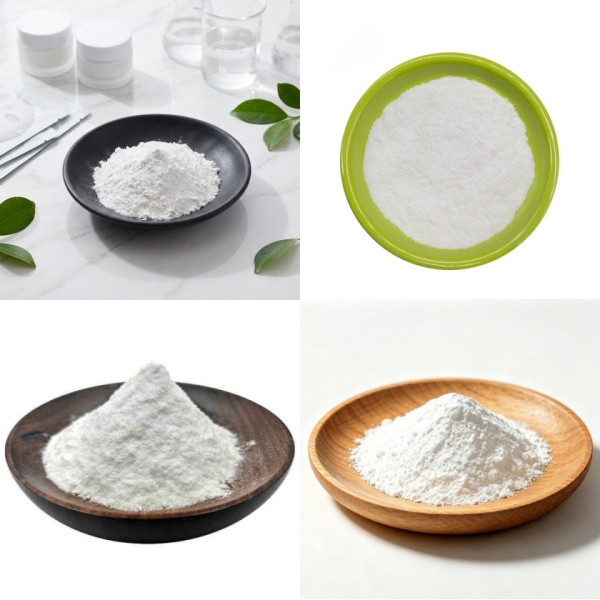
Cosmetic products ingredients are the functional materials used to create, protect, improve, and style personal care products. They determine how a formula feels, spreads, smells, looks, and performs during use. Cosmetic products ingredients can include water, oils, waxes, botanical extracts, vitamins, minerals, powders, fragrances, colorants, preservatives, and performance additives. Each group supports a clear formulation task. Cosmetic products ingredients such as glycerin, propanediol, and hyaluronic acid attract water and help skin feel soft. Oils, esters, silicones, and plant butters reduce roughness and improve glide. Cosmetic products ingredients such as emulsifiers combine oil and water into stable creams, lotions, and milks. Surfactants create foam and remove dirt in shampoos, cleansers, and body washes. Preservatives help control bacteria, yeast, and mold, extending safe use after opening. Cosmetic products ingredients also include thickeners that build the preferred texture, from a light gel to a rich balm. Film formers improve hold, shine, water resistance, or protection on skin and hair. Antioxidants help limit formula damage caused by air, light, or heat. Cosmetic products ingredients can be selected as powders, liquids, flakes, pastes, or ready-to-use blends, giving manufacturers practical control over processing and dosage. Modern cosmetic products ingredients often offer multifunctional performance, allowing one material to provide moisturization, texture, sensory improvement, or protection at the same time. Applications cover facial care, sun care, makeup, hair care, cleansing, oral care, bath products, and professional treatments. Cosmetic products ingredients should be reviewed for compatibility, regulatory status, purity, recommended use level, odor, color, and storage needs. Choosing suitable cosmetic products ingredients helps brands create reliable products that match consumer expectations for comfort, appearance, safety, and everyday performance.

New Products

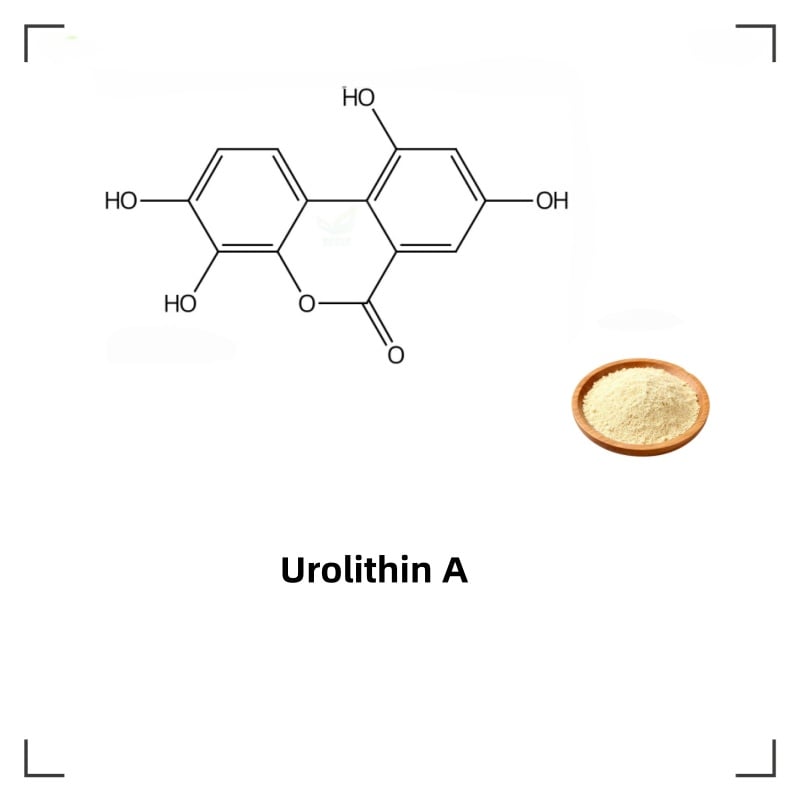
Urolithin A<br alt=CAS No. 1143-70-0" loading="lazy" > VIEW DETAILS
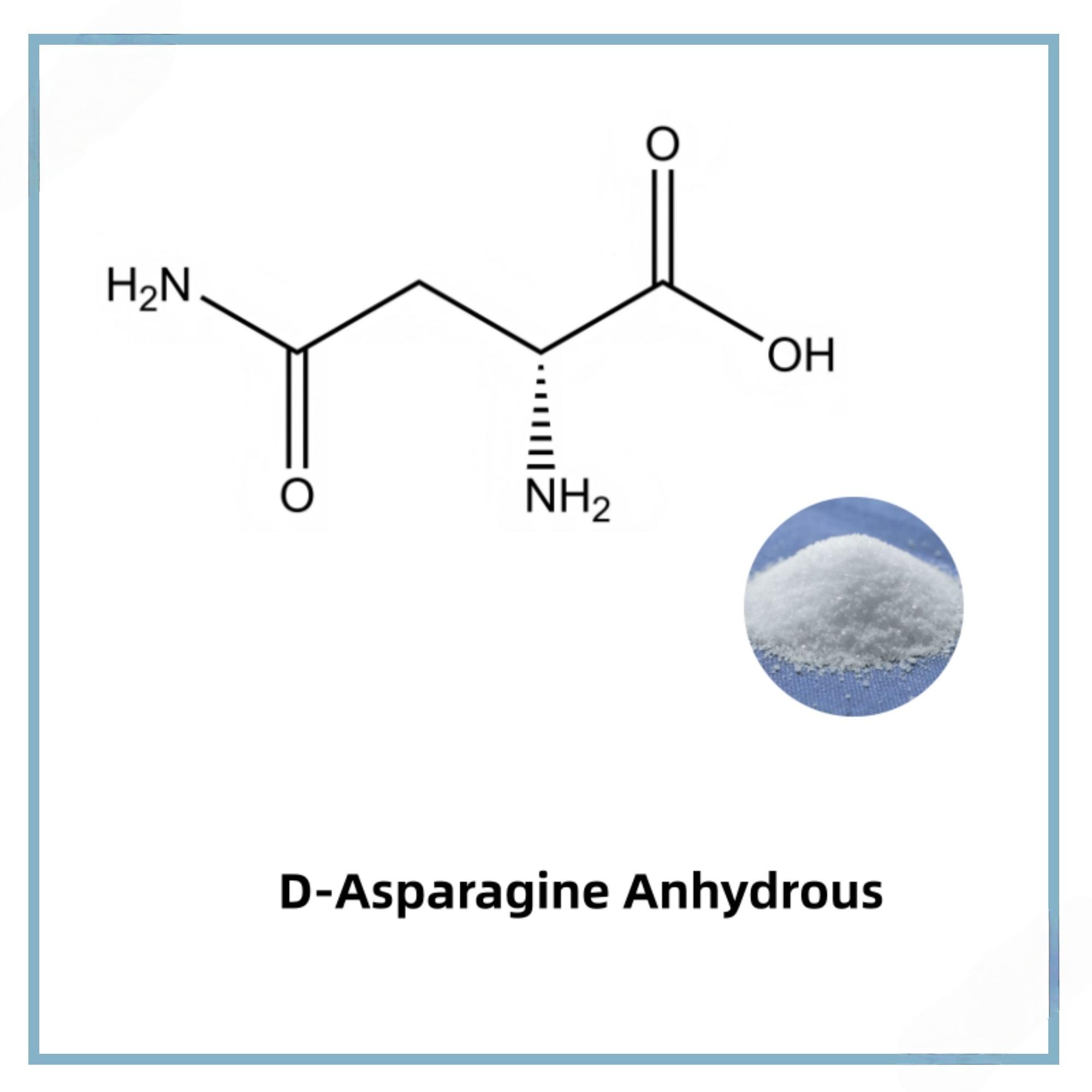
D-Asparagine Anhydrous<br alt=CAS 2058-58-4" loading="lazy" > VIEW DETAILS
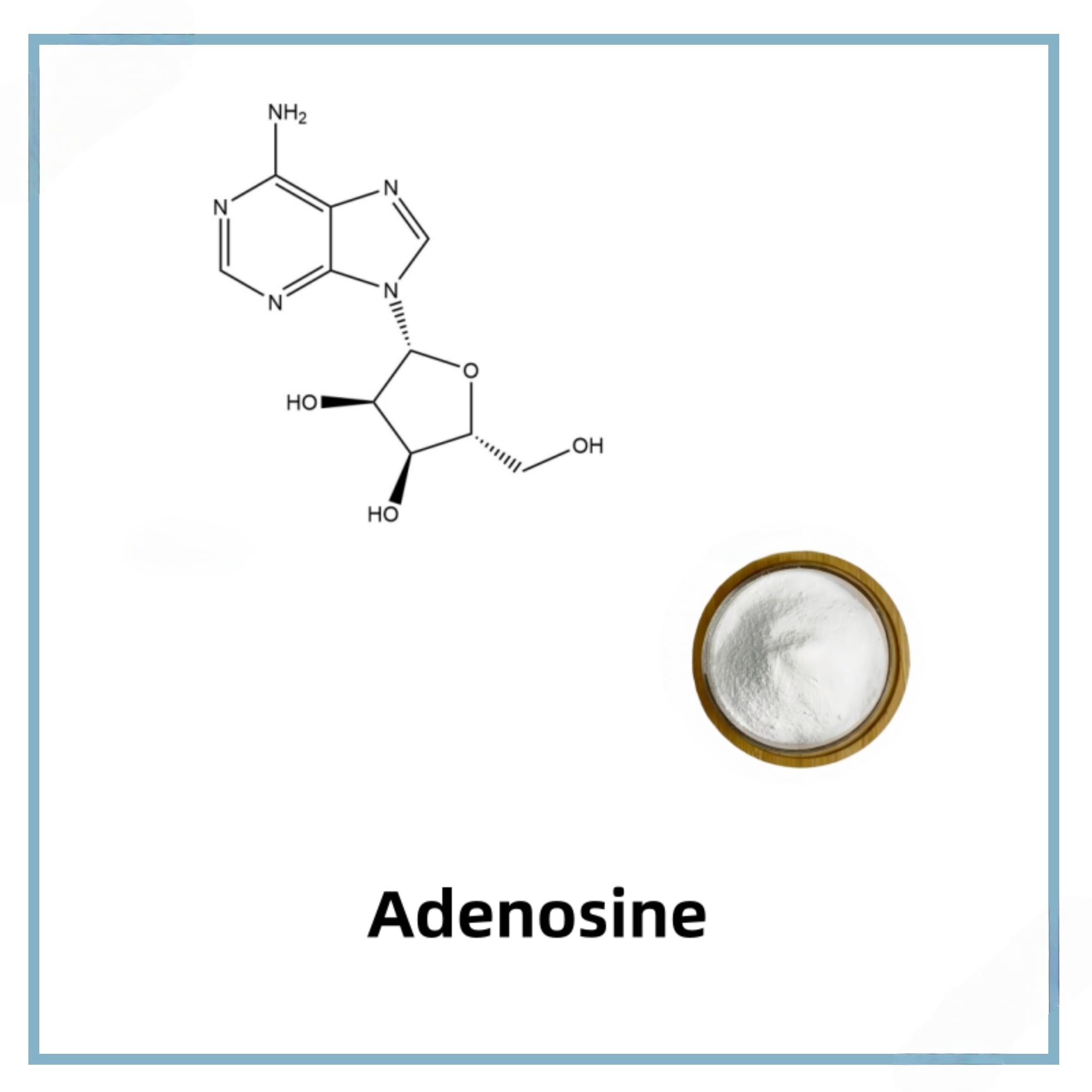
Adenosine<br alt=CAS 58-61-7" loading="lazy" > VIEW DETAILS
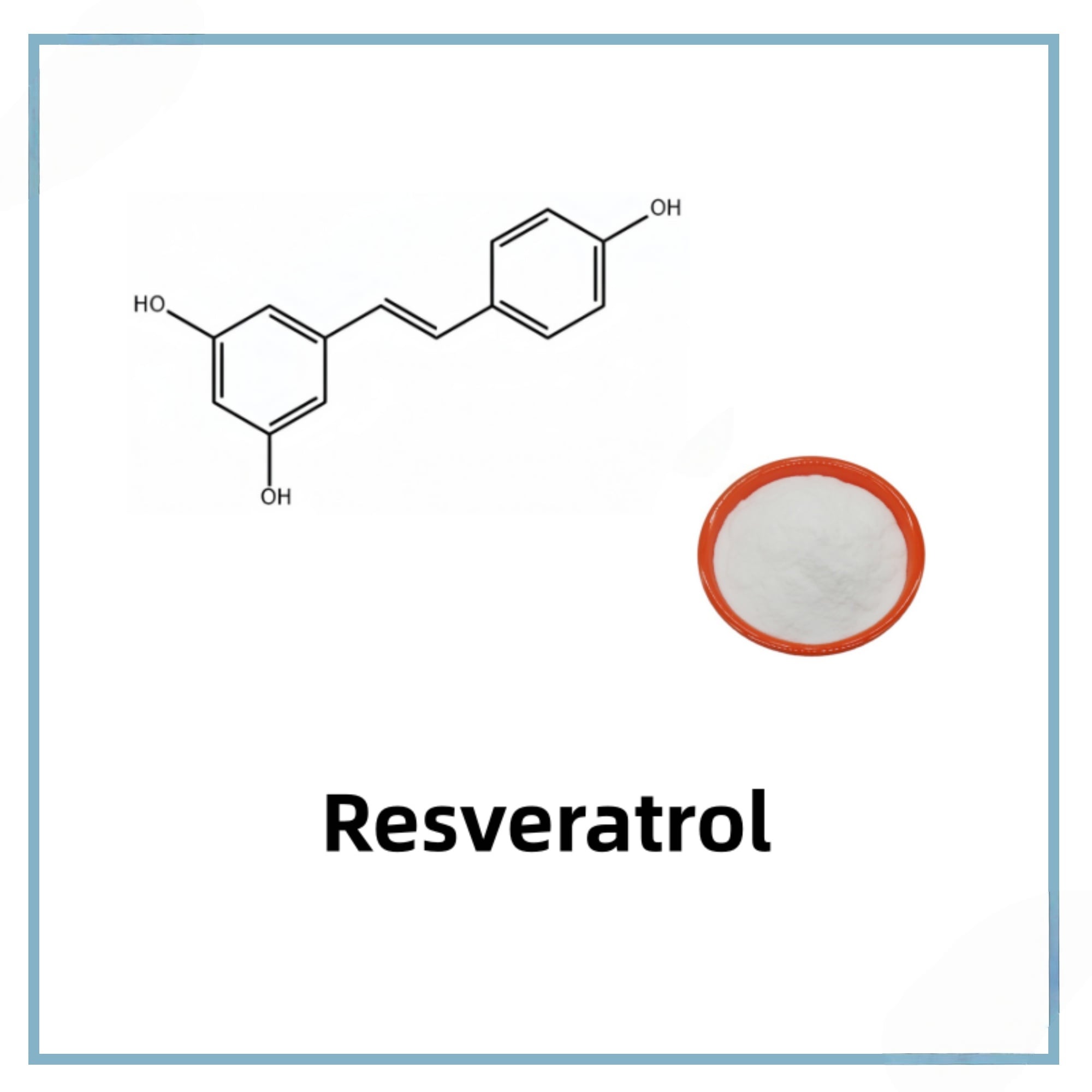
Resveratrol<br alt=CAS 501-36-0" loading="lazy" > VIEW DETAILS
The main advantage of cosmetic products ingredients is that they turn a basic formula into a dependable product with a specific customer benefit. Cosmetic products ingredients can make a moisturizer spread evenly, leave less residue, and support a comfortable finish. They can help shampoo clean effectively while preserving softness, shine, and manageability. Cosmetic products ingredients also allow brands to adjust a product for dry skin, oily skin, sensitive skin, curly hair, mature skin, or daily family use. This targeted approach makes product development more practical and helps buyers compare solutions with greater confidence. Well-selected cosmetic products ingredients improve consistency from batch to batch. Emulsifiers reduce separation, thickeners maintain the desired body, and stabilizers help formulas withstand normal transport and storage. Preservative systems support product safety during repeated opening and use, while antioxidants can protect vulnerable oils and active components. These operational benefits reduce avoidable defects, returns, waste, and customer complaints. Cosmetic products ingredients can also simplify manufacturing. Concentrated blends, pre-dispersed powders, and cold-process materials may shorten mixing time, reduce heating requirements, or make scale-up easier. Suppliers that provide technical documents, clear specifications, and application guidance give manufacturers better control over purchasing and production decisions. Cosmetic products ingredients suit many formats, including creams, serums, gels, cleansers, masks, sprays, sticks, powders, conditioners, and color cosmetics. Buyers should consider the intended claim, formula type, processing method, target user, and acceptable cost before choosing a material. Cosmetic products ingredients with strong sensory performance may support premium positioning, while efficient multifunctional options can lower the number of raw materials needed. The best choice balances performance, safety, supply reliability, compliance, and total formula value rather than focusing only on unit price. This practical evaluation helps brands launch products that work well, remain stable, and deliver a clear experience in real use.

Practical Tips

Cellular Empowerment Enters a New Era: How Pyrroloquinoline Quinone Disodium Salt (PQQ-Na2) Is Driving the Rise of Mitochondrial Anti-Aging

22

Jul

Cellular Empowerment Enters a New Era: How Pyrroloquinoline Quinone Disodium Salt (PQQ-Na2) Is Driving the Rise of Mitochondrial Anti-Aging

The global healthy aging industry is undergoing a profound transformation. As scientific understanding of cellular biology continues to advance, consumers are no longer satisfied with traditional antioxidant solutions alone. Instead, attention is shifting toward technologies that support cellular regeneration, mitochondrial function, and long-term vitality.
View More
How Technical Grade 2-Deoxy-D-Ribose Suppliers Operate

30

Sep

How Technical Grade 2-Deoxy-D-Ribose Suppliers Operate

Discover the 5 critical operational pillars—synthesis, QA, documentation, logistics & compliance—that define top-tier technical grade 2-deoxy-D-ribose suppliers. Source confidently.
View More
Bulk 2-Deoxy-D-Ribose Sourcing for Bio-Tech Sectors

30

Sep

Bulk 2-Deoxy-D-Ribose Sourcing for Bio-Tech Sectors

Struggling with inconsistent 2-Deoxy-D-Ribose supply? Discover purity, compliance & dual-sourcing strategies for reliable bulk procurement. Get expert sourcing checklist now.
View More

Get a Free Quote

Our representative will contact you soon.
Email
Name
Company Name
Message
0/1000

cosmetic products ingredients

Broad Formula Compatibility

Broad Formula Compatibility

Cosmetic products ingredients support a wide range of personal care formats, giving manufacturers flexibility when developing new products or improving existing lines. Cosmetic products ingredients can be used in water-based gels, oil-rich balms, emulsions, powders, sprays, sticks, and cleansing systems. This versatility helps a business serve several categories without rebuilding its entire sourcing strategy. Cosmetic products ingredients may also work with botanical extracts, fragrances, pigments, active compounds, and common processing aids when the supplier provides suitable compatibility guidance. A well-chosen material can improve slip in a serum, body in a cream, foam in a cleanser, or hold in a styling product. Cosmetic products ingredients are available in different grades, concentrations, particle sizes, and delivery forms, so formulators can select the option that fits their equipment and target texture. This broad application range lowers development risk, supports product line expansion, and gives brands more freedom to answer changing consumer preferences.
Reliable Sensory Performance

Reliable Sensory Performance

Cosmetic products ingredients influence the immediate experience that often determines whether a customer buys again. Cosmetic products ingredients can create a smooth spread, quick absorption, rich cushion, dry finish, creamy lather, soft after-feel, or natural-looking color. These details matter because consumers judge a product through touch, scent, appearance, and ease of use before they notice longer-term claims. Cosmetic products ingredients with controlled particle size or consistent purity can help a formula feel and look the same across production batches. Cosmetic products ingredients may also reduce tackiness, greasiness, drag, flaking, or unwanted whitening when used at an appropriate level. This helps brands build products for specific preferences, from lightweight summer lotions to protective winter creams. A pleasant sensory profile can strengthen product reviews, encourage regular use, and make premium pricing easier to support. Manufacturers should test cosmetic products ingredients in the complete formula, since pH, temperature, packaging, and neighboring materials can change the final result.
Practical Stability and Safety Support

Practical Stability and Safety Support

Cosmetic products ingredients help manufacturers protect product quality throughout filling, shipping, storage, and consumer use. Cosmetic products ingredients such as preservatives, chelators, antioxidants, and stabilizers address different sources of formula change, including microbes, oxidation, color shift, odor development, and separation. Cosmetic products ingredients can also improve resistance to heat, light, moisture, or repeated opening when the system is properly designed. This support protects the product experience and reduces the chance of wasted stock caused by early deterioration. Cosmetic products ingredients should never be selected by name alone; buyers need supplier specifications, safety information, regulatory documentation, recommended dosage, and compatibility data. Patch testing, stability testing, and challenge testing remain important parts of responsible development. Cosmetic products ingredients that perform reliably at efficient use levels may reduce formula complexity and lower processing or packaging pressure. The result is a more dependable product that is easier to manufacture, easier to monitor, and more suitable for commercial distribution. Clear documentation also helps purchasing teams and quality managers make faster, better-informed decisions.
Call
+86-18265650337
WhatsApp
Cosmetic Products Ingredients Guide
Email Inquiry

Get a Free Quote

Our representative will contact you soon.
Email
Name
Company Name
Message
0/1000