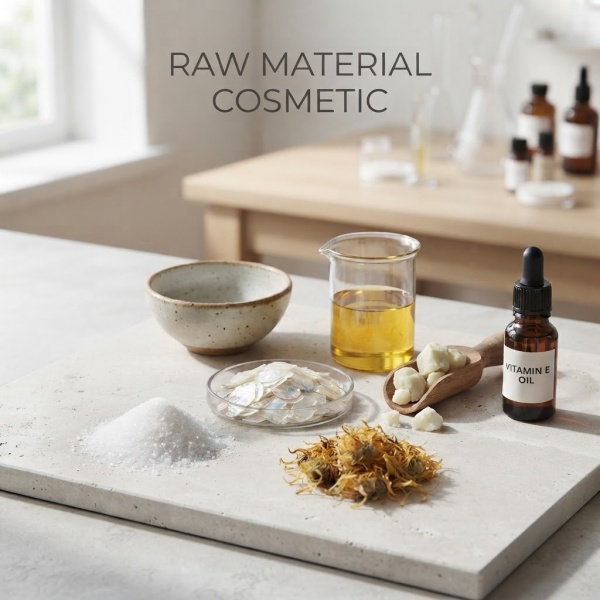
raw material cosmetic
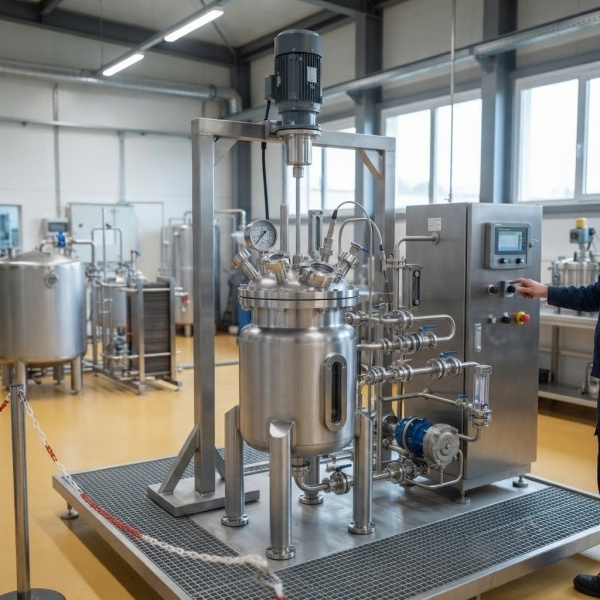
A raw material cosmetic is an ingredient used to create, improve, or protect personal care products such as creams, cleansers, serums, shampoos, and makeup. This raw material cosmetic can provide moisture, texture, stability, color, cleansing power, or a pleasant skin feel, depending on its chemical or natural composition. Manufacturers select each raw material cosmetic according to the product goal, target user, formula type, and required performance. A raw material cosmetic may work as an emollient, humectant, emulsifier, thickener, preservative, surfactant, active ingredient, or carrier. Its main function is to help a finished formula deliver consistent results while remaining attractive and easy to use. The right raw material cosmetic also supports smooth processing, reliable filling, and stable storage. Technological features can include high purity, controlled particle size, good dispersibility, low odor, strong compatibility, and dependable batch consistency. Some grades dissolve in water, while others perform best in oil, silicone, alcohol, or multi-phase systems. A raw material cosmetic may also offer heat resistance, pH tolerance, oxidation control, or improved resistance to separation. These features help formulators manage production with fewer adjustments and less waste. Applications for a raw material cosmetic range from facial care and body care to hair care, sun care, color cosmetics, oral care, and professional treatments. Buyers should review technical data, recommended dosage, regulatory status, allergen information, packaging, and storage requirements before purchase. Selecting a suitable raw material cosmetic helps brands develop safe, appealing, and dependable products for different markets.

 EN
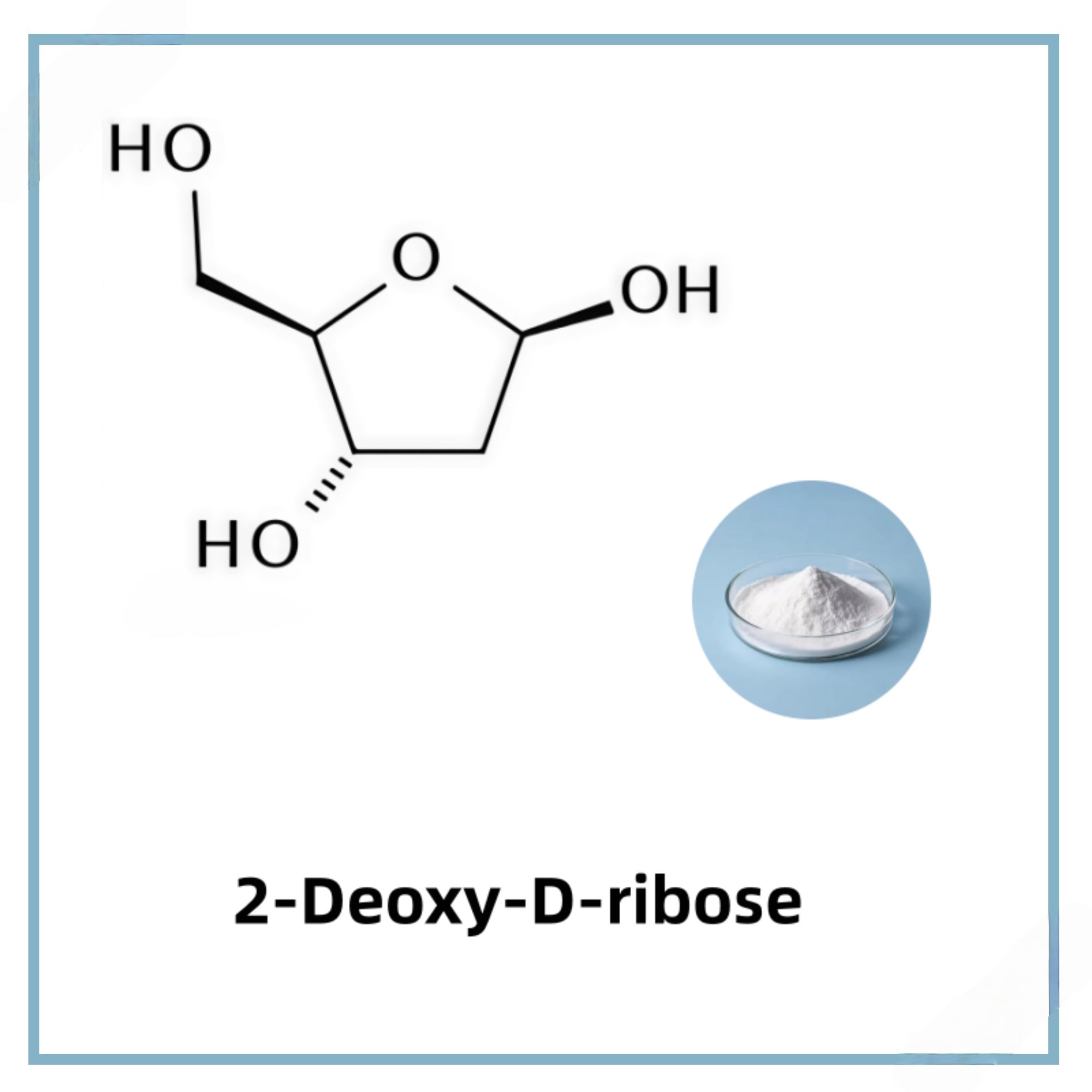 2DDR CAS 533-67-5"
loading="lazy"
>
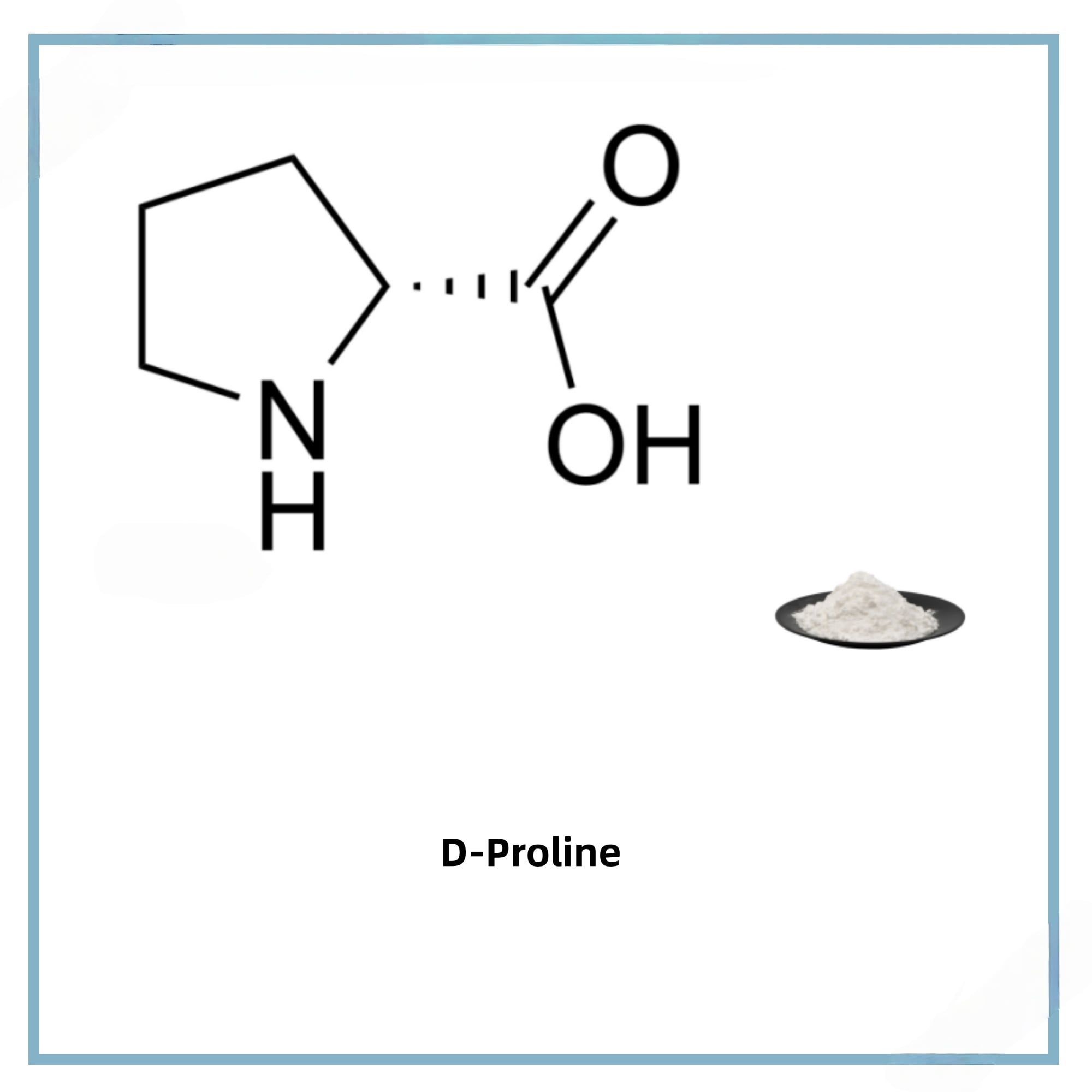 CAS 344-25-2"
loading="lazy"
>
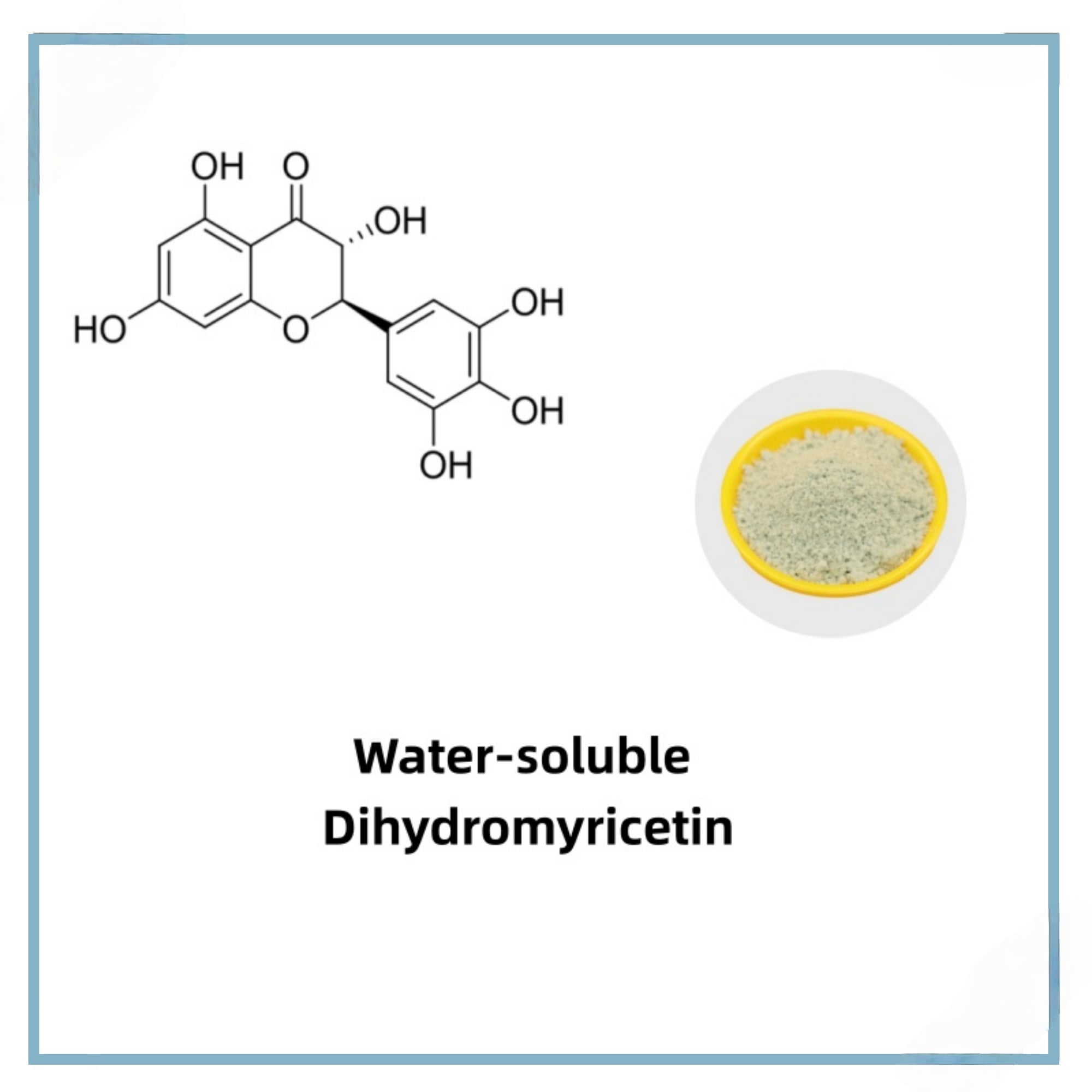 CAS 27200-12-0"
loading="lazy"
>
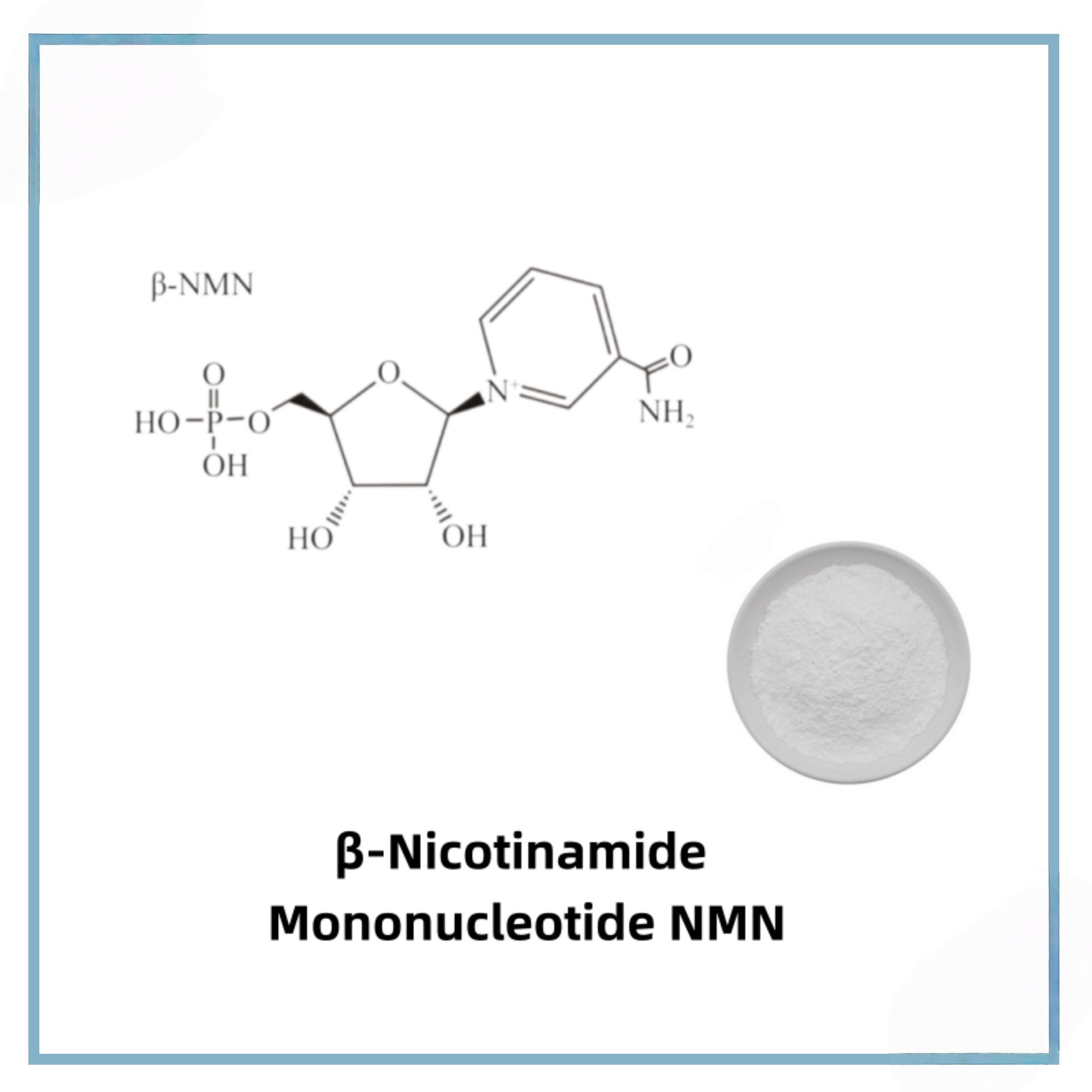 CAS 1094-61-7"
loading="lazy"
>