cosmetic ingredients
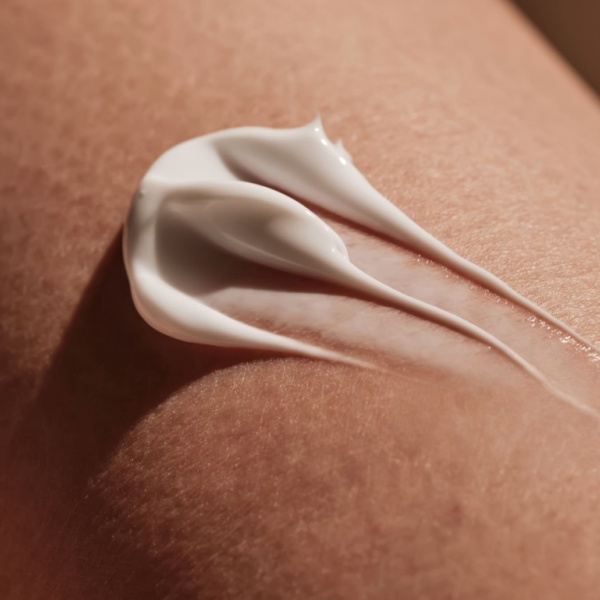
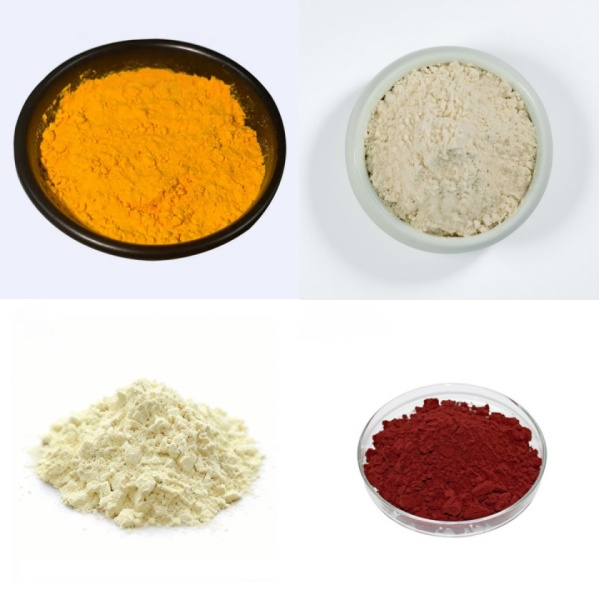
Cosmetic ingredients are the functional building blocks used to create skincare, haircare, body care, color cosmetics, and personal care products. They give a formula its texture, appearance, performance, stability, and user experience. Common cosmetic ingredients include emollients that soften skin, humectants that attract water, surfactants that cleanse, emulsifiers that blend oil and water, thickeners that improve body, preservatives that protect against microbial growth, pigments that add color, and active ingredients that support specific skin or hair benefits. Cosmetic ingredients may come from plant, mineral, synthetic, biotechnology, or hybrid sources, allowing manufacturers to select materials that match product goals, cost targets, and market positioning. Modern cosmetic ingredients also support cleaner labels, lighter textures, improved sensory appeal, and more efficient manufacturing. Many are available as powders, liquids, pastes, flakes, or ready-to-use blends. This flexibility helps formulators develop creams, lotions, serums, shampoos, conditioners, cleansers, sunscreens, foundations, lip products, and masks. Cosmetic ingredients can also improve spreadability, absorption, foam, color payoff, water resistance, and storage life. Technical features such as compatibility, solubility, particle size, pH tolerance, heat stability, and processing behavior influence final product quality. Buyers should review documentation, recommended use levels, regulatory status, batch consistency, and testing data before selection. The right cosmetic ingredients help brands balance performance, safety, production efficiency, and consumer expectations. Whether a company needs a moisturizing base, a gentle cleansing system, a stable color solution, or a targeted active, cosmetic ingredients provide the practical tools needed to build reliable beauty products.

 EN
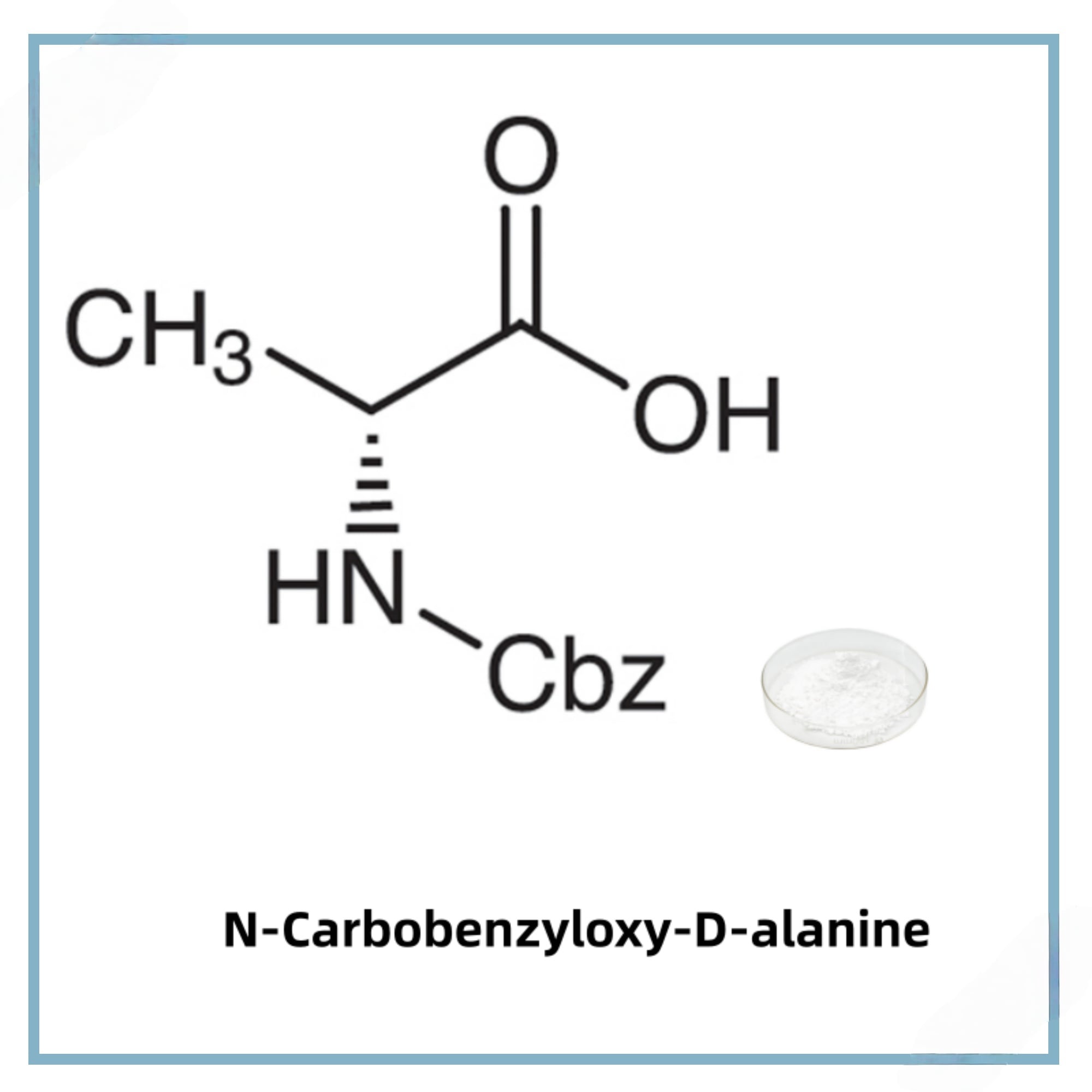 CAS 26607-51-2"
loading="lazy"
>
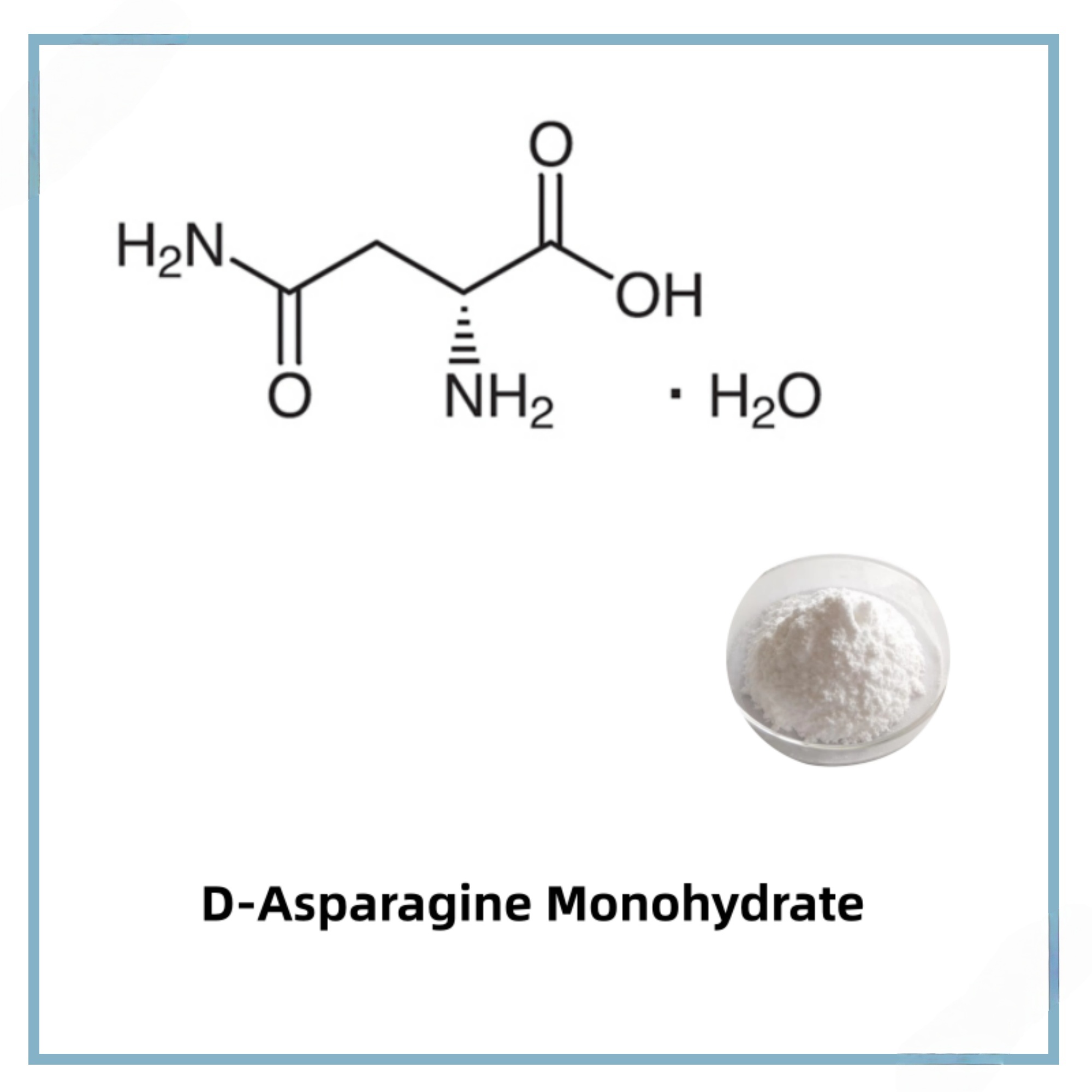 CAS 70-47-3"
loading="lazy"
>
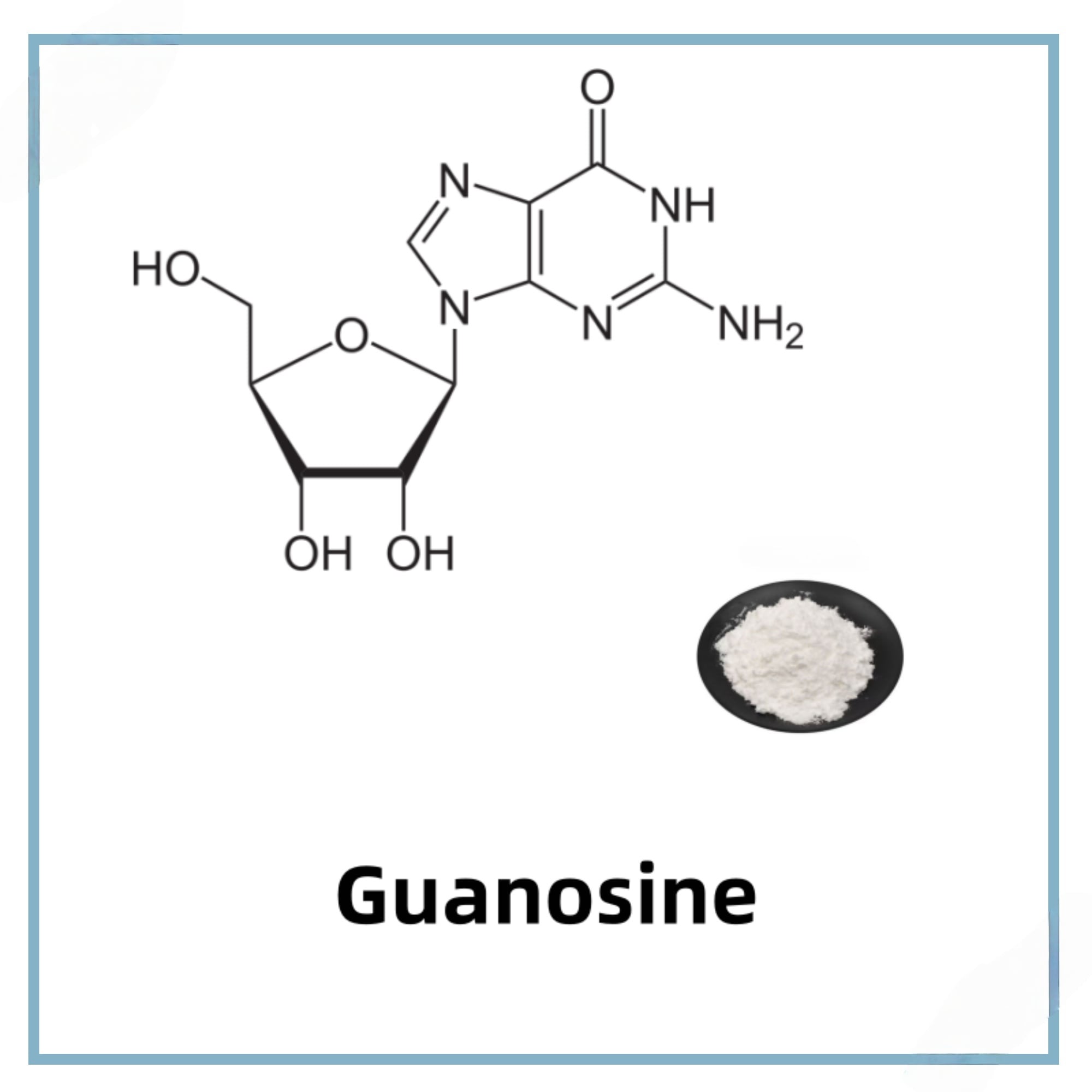 CAS 118-00-3"
loading="lazy"
>
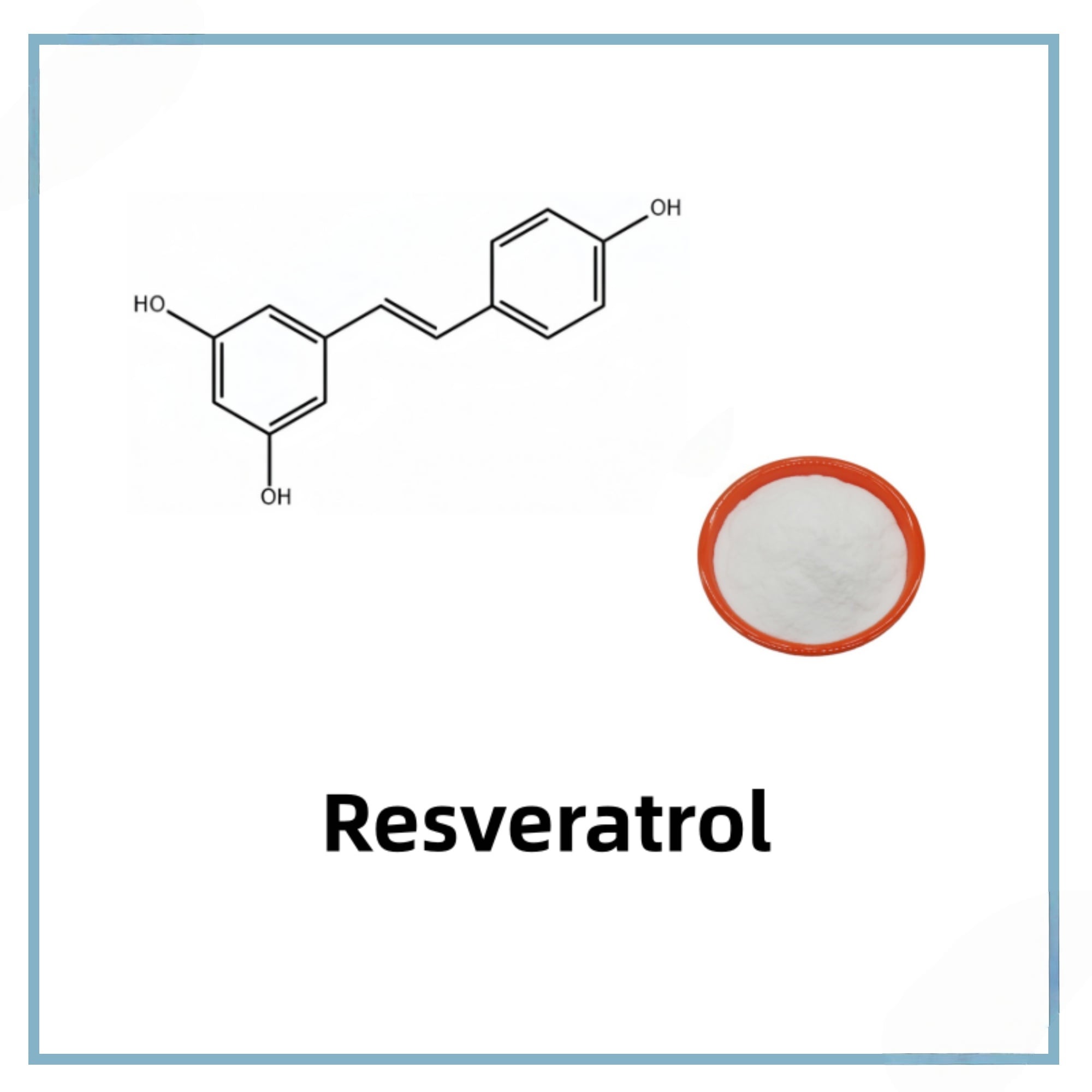 CAS 501-36-0"
loading="lazy"
>