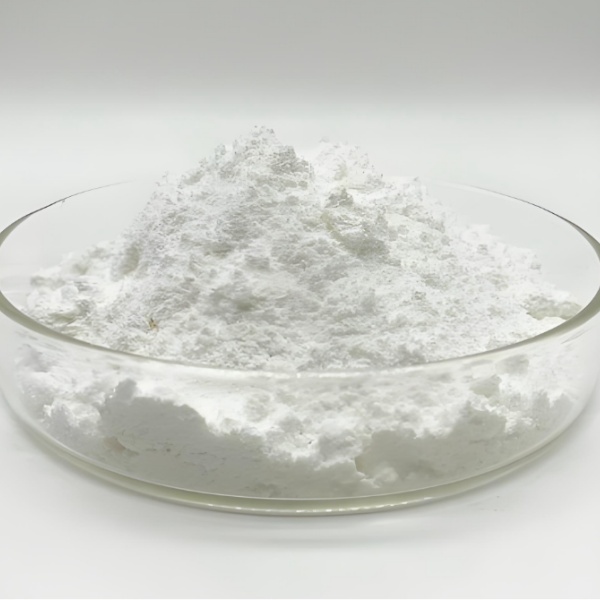
raw cosmetic materials
Raw cosmetic materials are the basic ingredients used to create skincare, haircare, body care, makeup, and cleansing products. Raw cosmetic materials can include oils, waxes, butters, powders, surfactants, humectants, emulsifiers, thickeners, preservatives, pigments, fragrances, and active ingredients. Each type serves a clear formulation purpose. Raw cosmetic materials help moisturize skin, improve texture, support cleansing, control viscosity, protect formulas, or create a pleasant sensory experience. Raw cosmetic materials may come from botanical, mineral, marine, synthetic, or biotechnology-based sources, giving manufacturers broad options for performance and positioning. Raw cosmetic materials also vary in solubility, particle size, melting point, pH tolerance, color, odor, and compatibility with other ingredients. These technological features affect processing, stability, appearance, and final product quality. Raw cosmetic materials are selected according to the product format, target skin or hair concern, manufacturing method, and required shelf life. Raw cosmetic materials can support creams, lotions, serums, shampoos, conditioners, masks, scrubs, soaps, gels, balms, sunscreens, and color cosmetics. Raw cosmetic materials may be supplied as liquids, powders, flakes, pellets, pastes, or granules for convenient handling and accurate dosing. Manufacturers use raw cosmetic materials during heating, cooling, mixing, milling, homogenizing, or cold-processing stages. Raw cosmetic materials allow brands to develop products with moisturizing, soothing, cleansing, smoothing, volumizing, brightening, or protective benefits. In practical terms, raw cosmetic materials give formulators the building blocks needed to balance performance, appearance, user comfort, production efficiency, and market positioning. Choosing suitable raw cosmetic materials helps create reliable products that meet consumer expectations while supporting consistent commercial production.

 EN
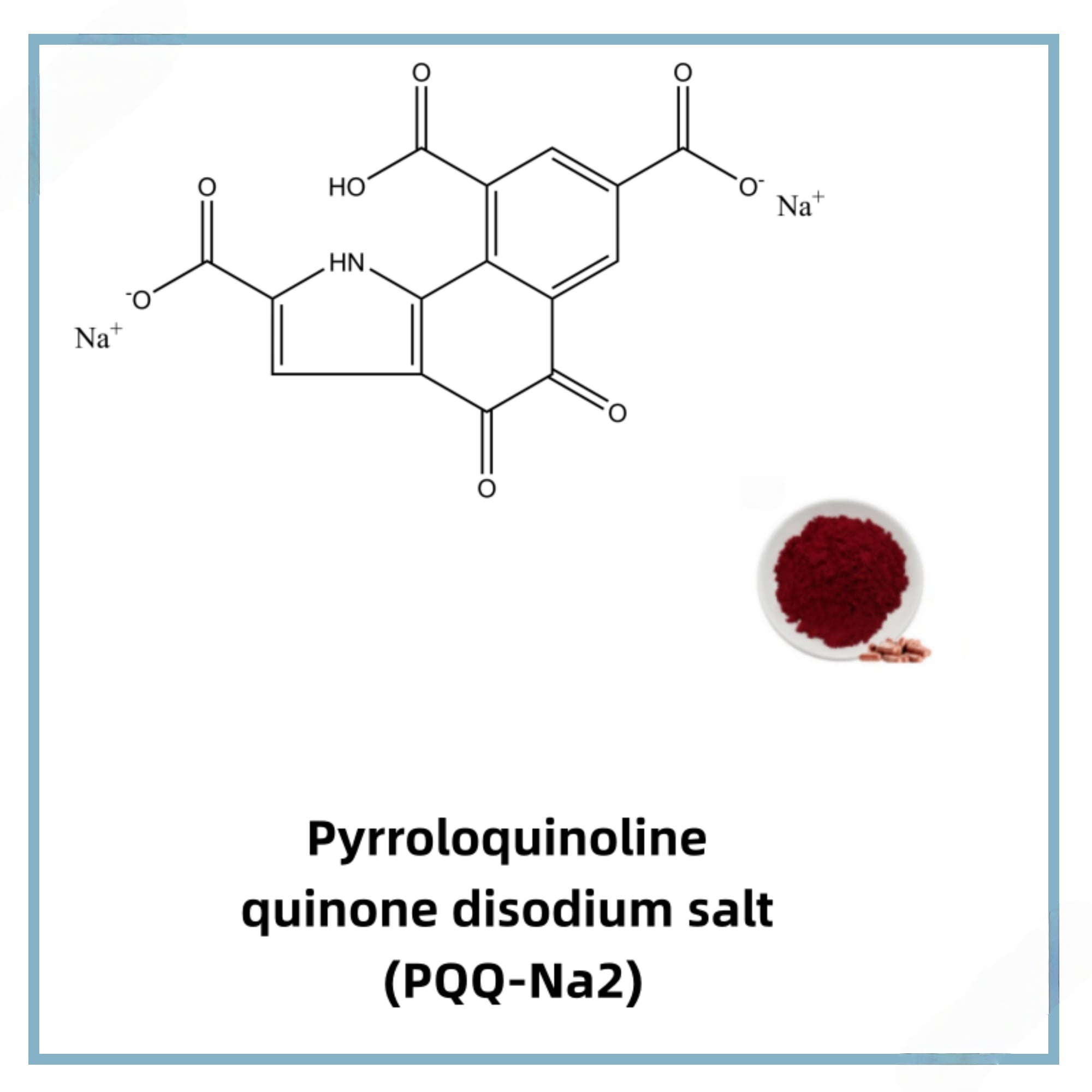 CAS 122628-50-6"
loading="lazy"
>
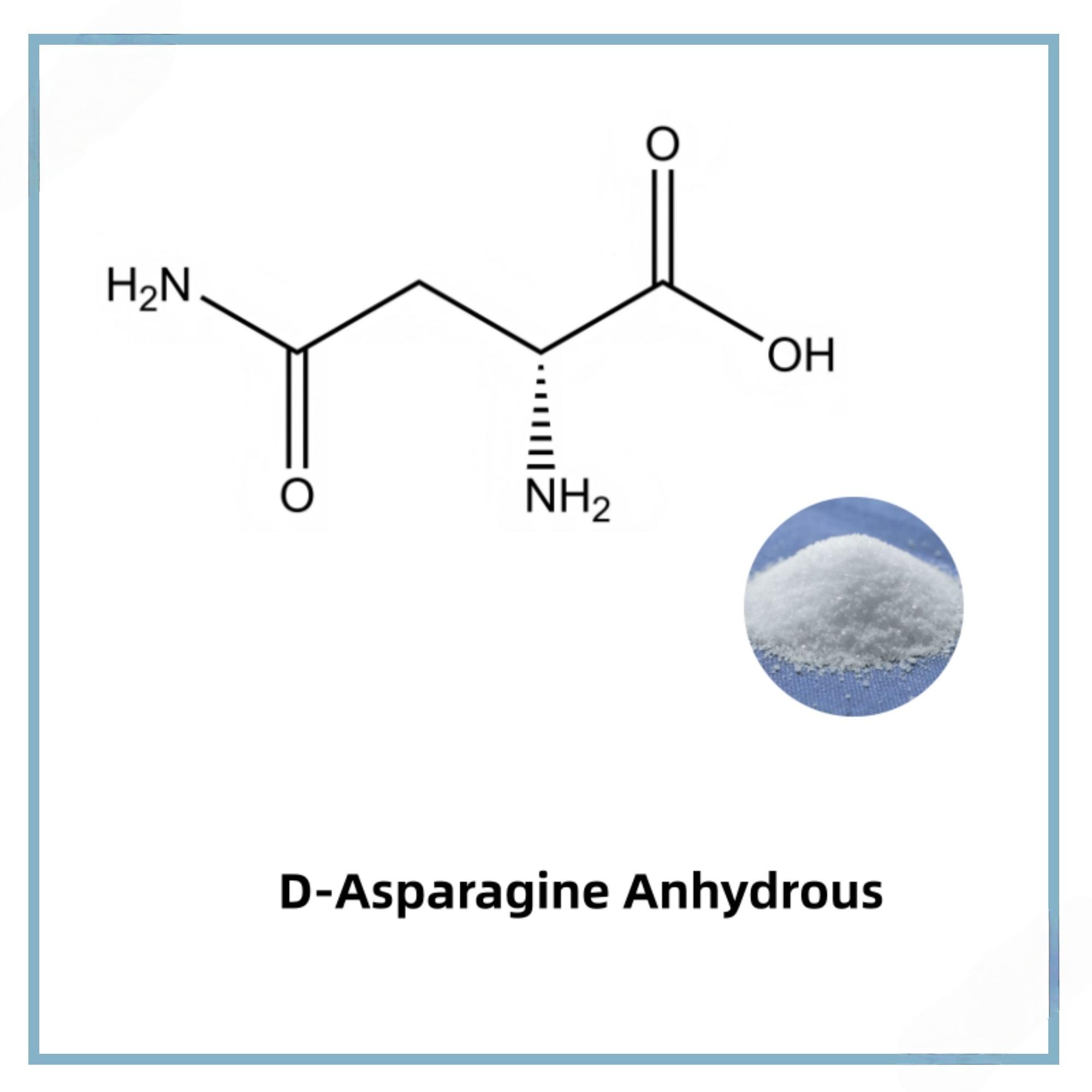 CAS 2058-58-4"
loading="lazy"
>
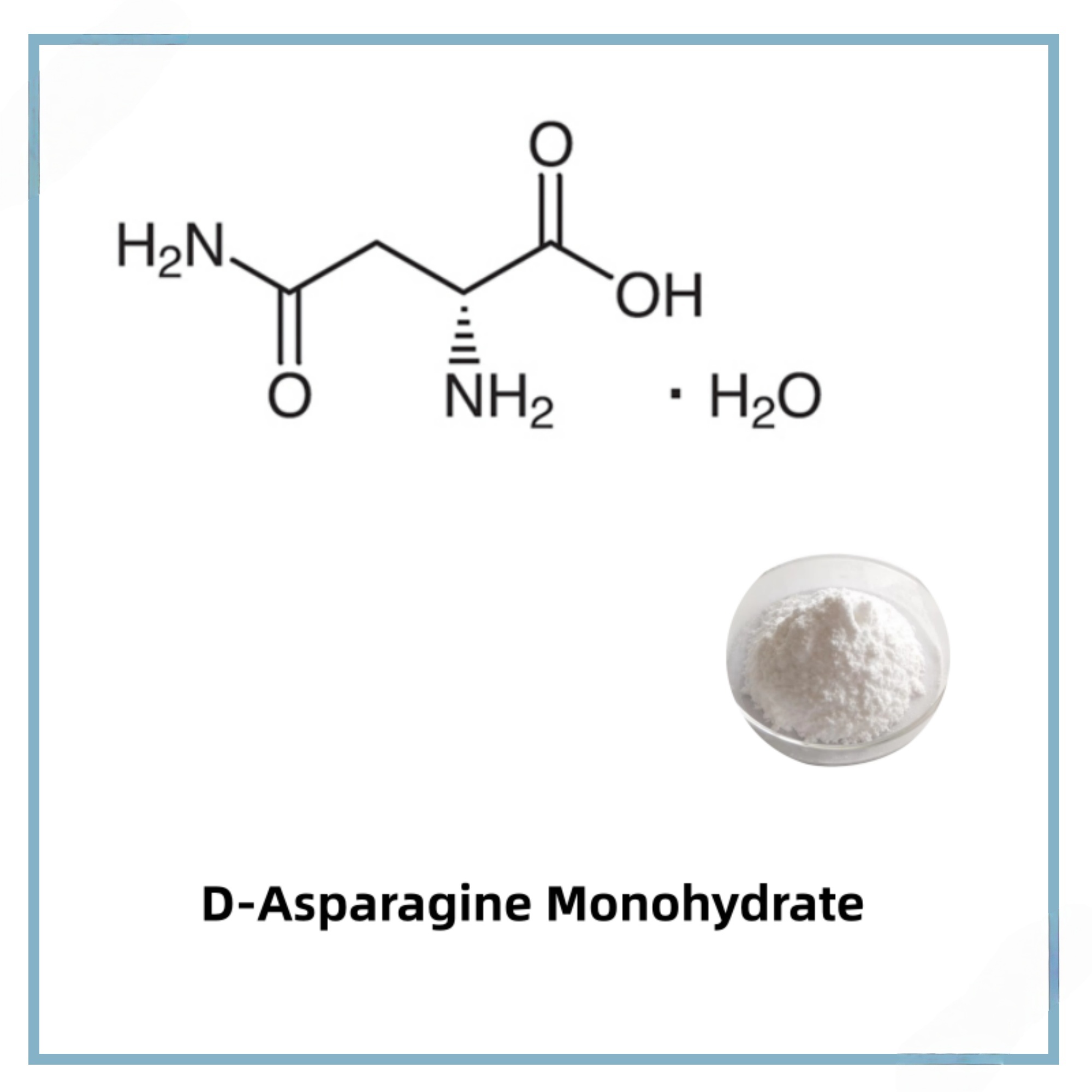 CAS 70-47-3"
loading="lazy"
>
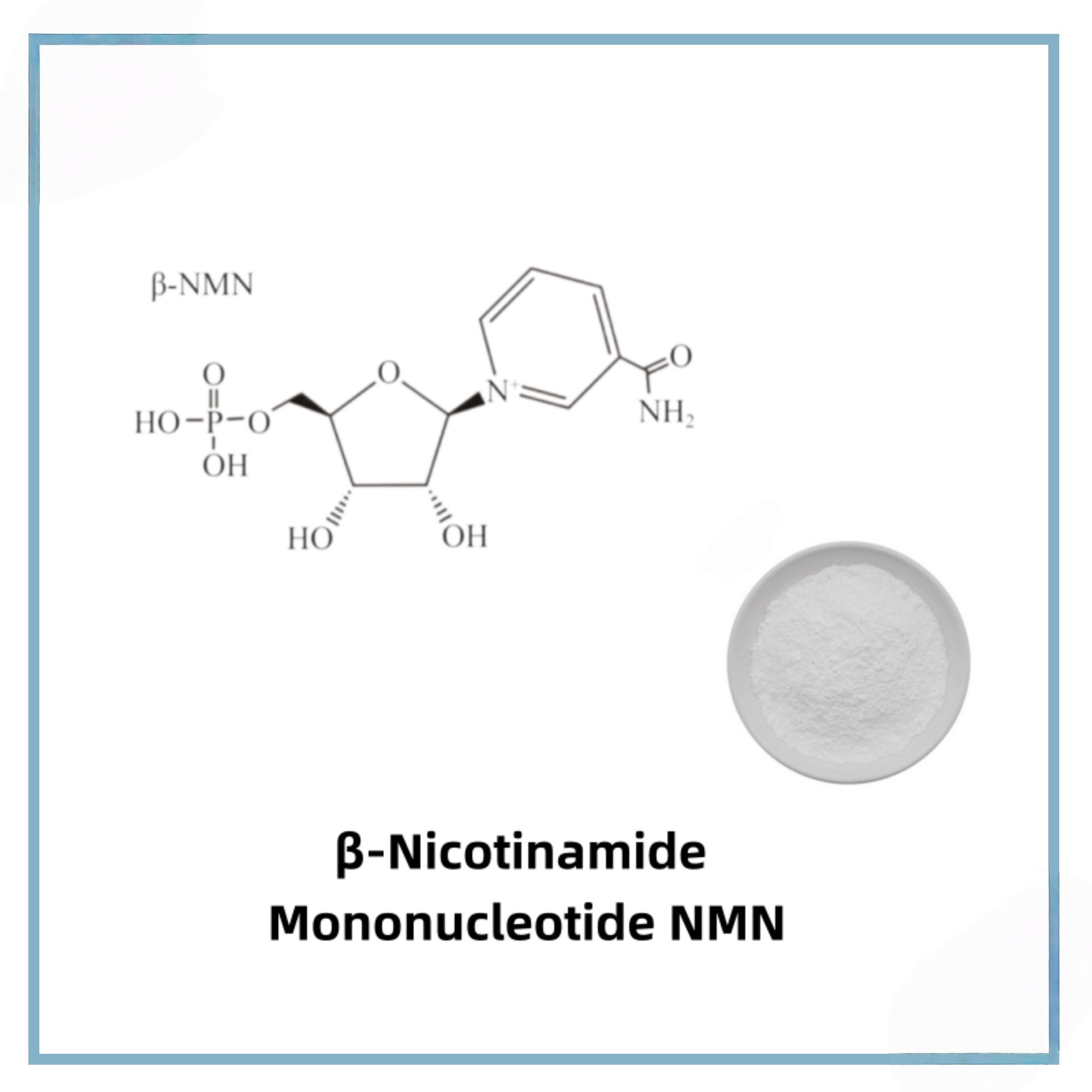 CAS 1094-61-7"
loading="lazy"
>