Hydrolyzed Elastin for Skin and Hair Care

All Categories

hydrolyzed elastin

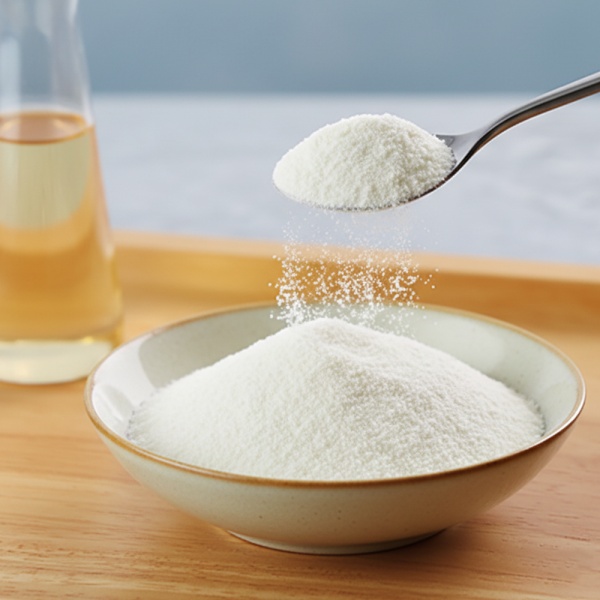
Hydrolyzed elastin is a processed protein ingredient made by breaking elastin into smaller, water friendly peptides. This treatment helps hydrolyzed elastin blend more easily into creams, lotions, serums, shampoos, conditioners, masks, and other personal care formulas. Hydrolyzed elastin supports a soft, smooth skin feel and helps products deliver a comfortable conditioning effect. In hair care, hydrolyzed elastin can help improve manageability, reduce a dry feel, and leave strands looking more polished. Because the ingredient is supplied in a soluble form, hydrolyzed elastin works well in water based systems and can be added during a suitable cool down stage, depending on the supplier specification. Manufacturers can select different grades according to protein source, peptide profile, concentration, appearance, odor, and preservation needs. Hydrolyzed elastin may also support a supple after feel without creating a heavy or greasy finish. Its main function is cosmetic conditioning rather than permanent structural repair, so brands should present product claims accurately and test the finished formula. Hydrolyzed elastin is useful in face care, body care, sun care, cleansing products, hair treatments, and premium beauty formulas. Formulators should review solubility, pH compatibility, heat tolerance, microbial controls, packaging, and recommended use levels before production. When used correctly, hydrolyzed elastin gives brands a recognizable protein based story, practical formulation flexibility, and a smooth sensory benefit that consumers can notice. Hydrolyzed elastin also fits products designed around moisture retention, softness, flexibility, and a refined touch. It can complement humectants, emollients, botanical extracts, amino acids, and other conditioning ingredients. For buyers, hydrolyzed elastin offers a versatile route to improve product feel while supporting a clear, easy to communicate beauty proposition.

Popular Products

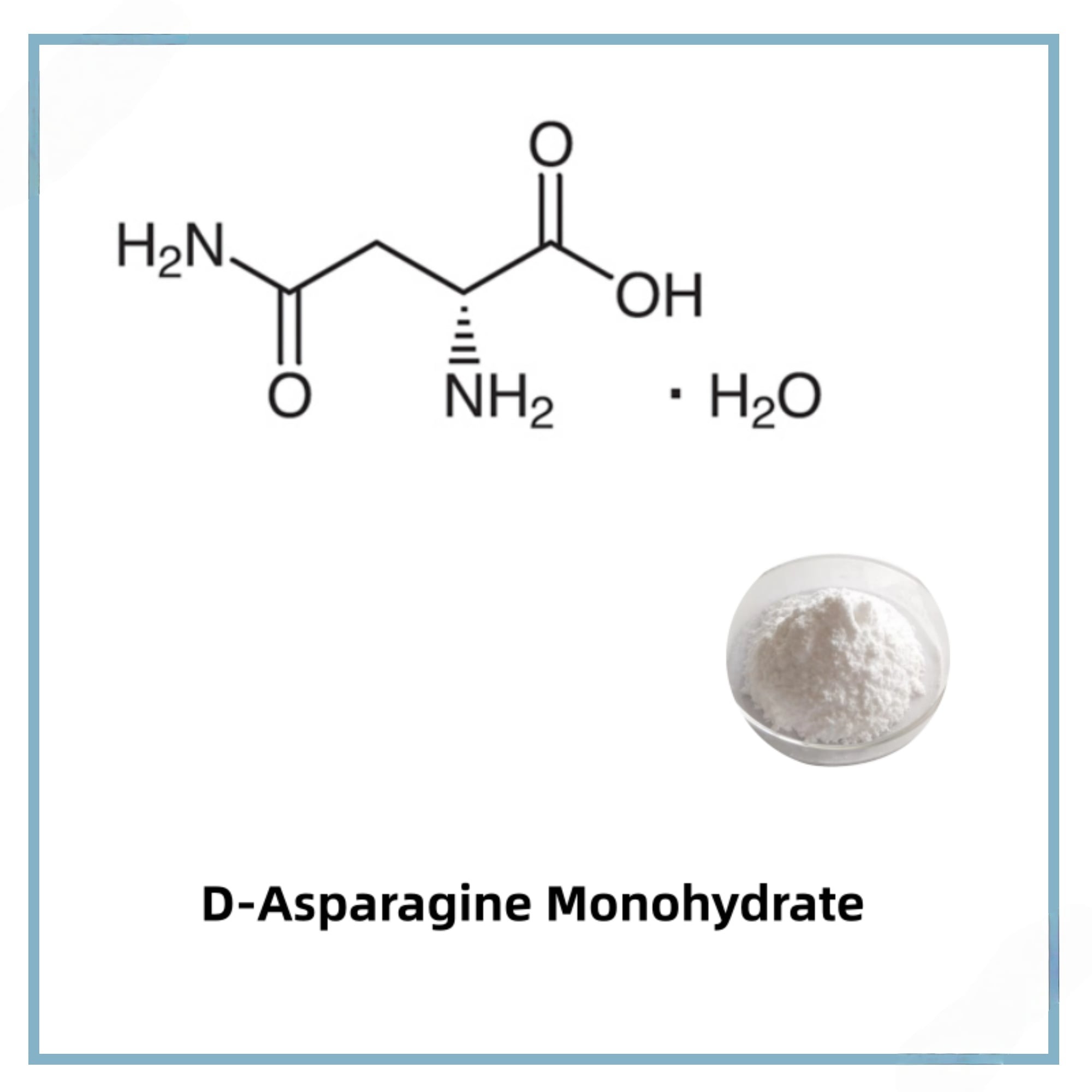
D-Asparagine Monohydrate <br alt=CAS 5794-24-1" loading="lazy" > VIEW DETAILS
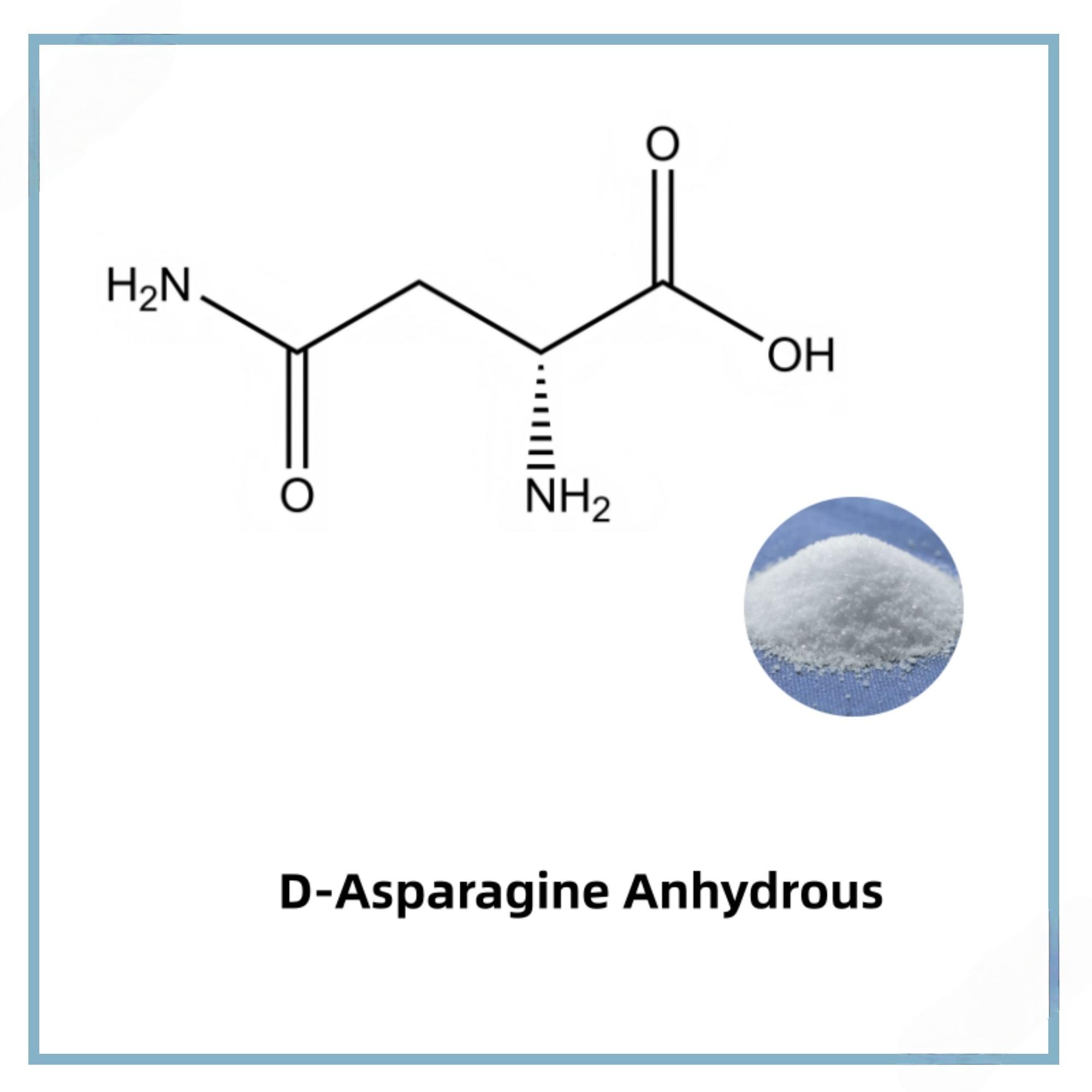
D-Asparagine Anhydrous<br alt=CAS 2058-58-4" loading="lazy" > VIEW DETAILS
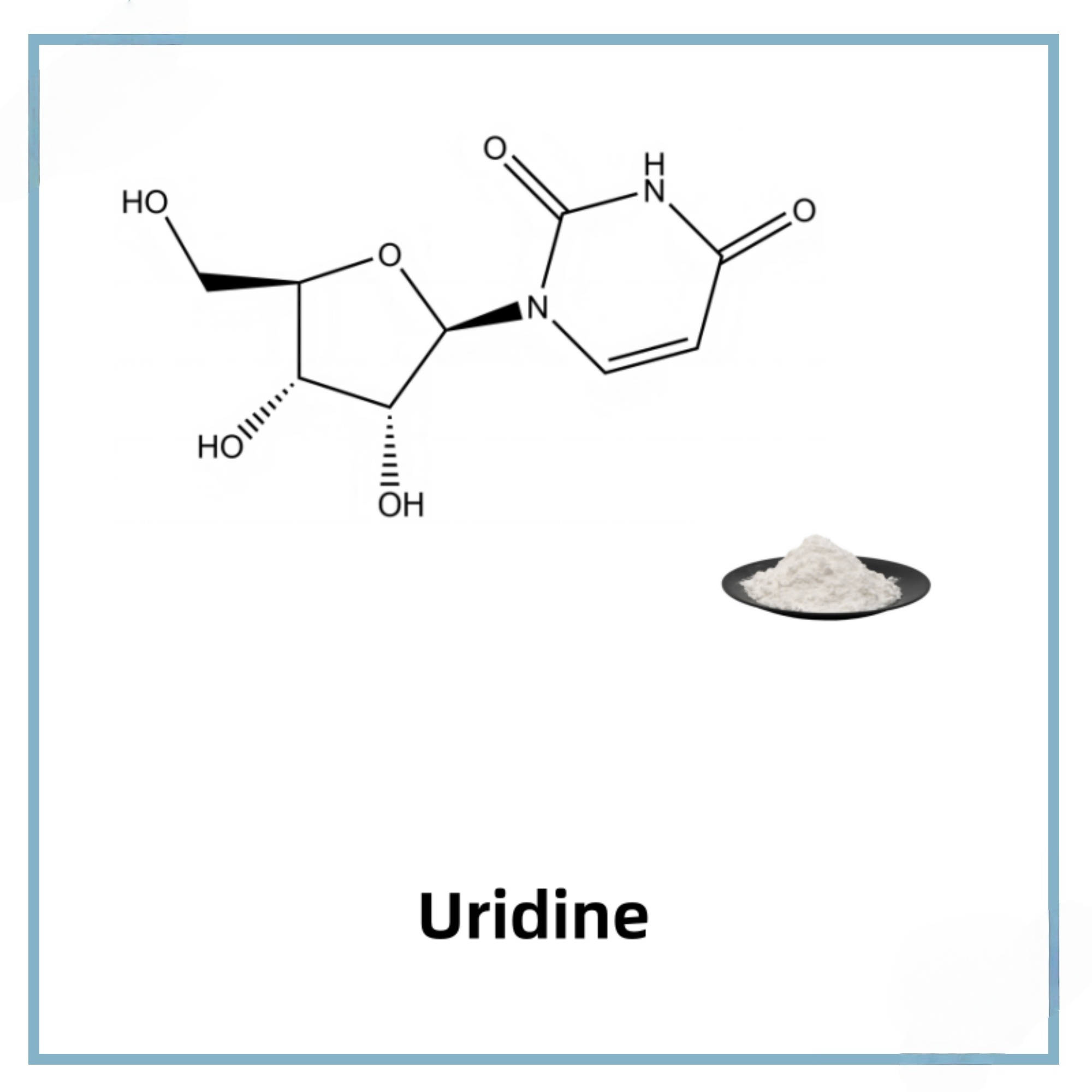
Uridine<br alt=CAS NO.58-96-8" loading="lazy" > VIEW DETAILS
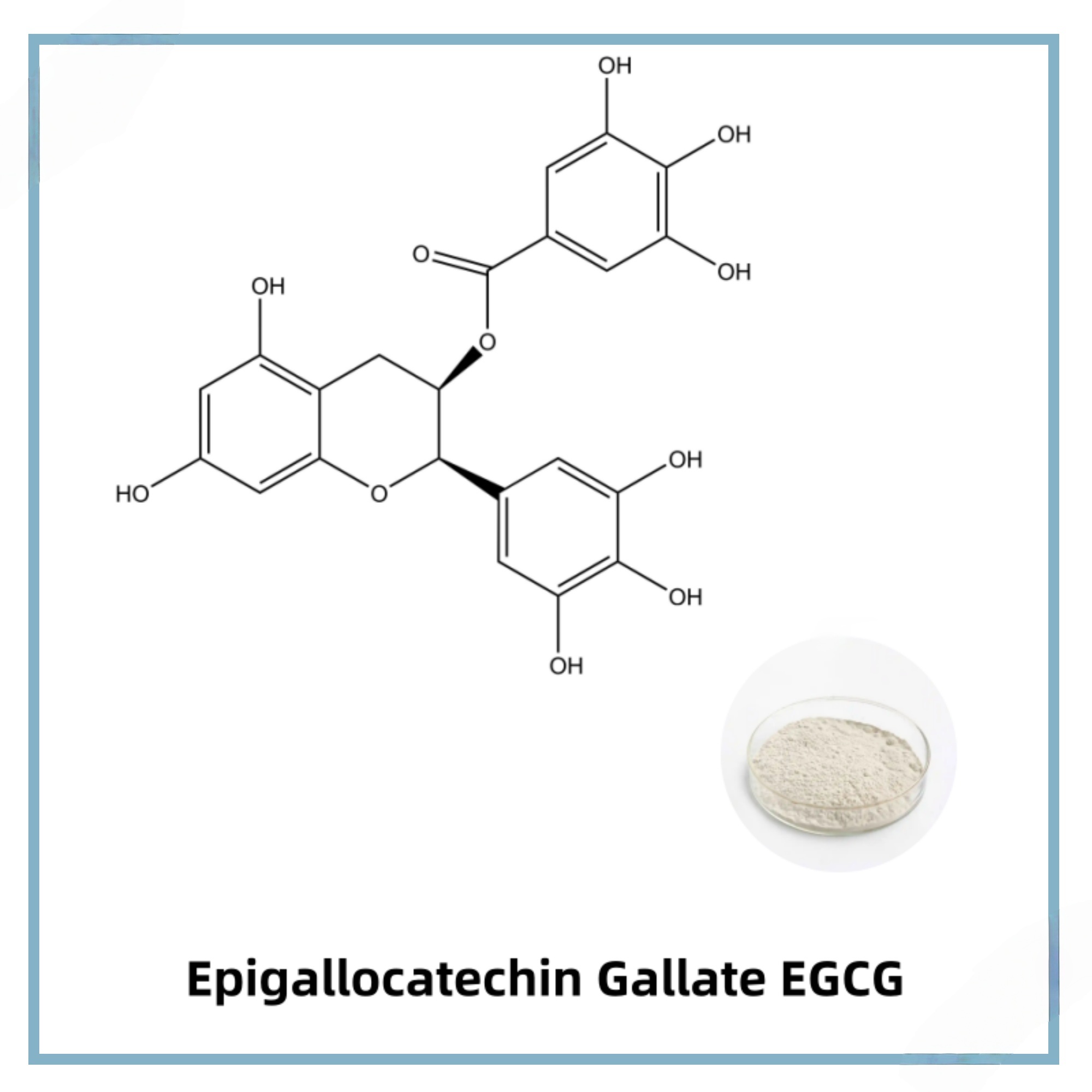
Epigallocatechin Gallate<br alt=CAS 989-51-5" loading="lazy" > VIEW DETAILS
A key advantage of hydrolyzed elastin is its broad application range. Buyers can use hydrolyzed elastin in facial moisturizers, hand creams, body lotions, rinse off products, leave in conditioners, and styling treatments. This flexibility can simplify purchasing by allowing one ingredient family to serve several product lines. Hydrolyzed elastin also provides a familiar protein based positioning that helps brands explain why a formula feels soft and conditioned. For customers, that story is easier to understand than highly technical claims. From a production standpoint, hydrolyzed elastin is generally easier to disperse than larger, intact protein materials. Its smaller peptide size can support more even distribution in a finished formula, helping reduce visible particles and inconsistent sensory results. Suppliers may offer liquid or powder formats, giving manufacturers options for storage, dosing, transport, and plant handling. Hydrolyzed elastin can support a smooth skin feel without forcing a formula to become oily, which is useful for lightweight lotions, gels, and modern hair products. It can also complement moisturizers and conditioning agents, allowing a formulator to build a balanced performance profile rather than depend on one raw material. Another practical benefit is product design flexibility. Hydrolyzed elastin can suit everyday care, professional treatments, premium collections, and value focused products when the grade and concentration match the intended claim. Buyers should compare source, assay, peptide distribution, odor, color, preservative system, documentation, and testing data before selecting a supplier. Hydrolyzed elastin is not a substitute for clinical testing or good formulation practice, but it can strengthen sensory performance and marketing clarity. When quality remains consistent between batches, hydrolyzed elastin helps reduce development surprises, supports repeatable manufacturing, and gives brands a dependable ingredient for softness, manageability, and a refined finish. Its value is strongest when the supplier provides clear specifications, sample support, application guidance, and reliable delivery. These details help purchasing teams assess total cost, not just the quoted price. Hydrolyzed elastin can therefore offer both consumer appeal and operational usefulness across multiple categories.

Practical Tips

How Technical Grade 2-Deoxy-D-Ribose Suppliers Operate

30

Sep

How Technical Grade 2-Deoxy-D-Ribose Suppliers Operate

Discover the 5 critical operational pillars—synthesis, QA, documentation, logistics & compliance—that define top-tier technical grade 2-deoxy-D-ribose suppliers. Source confidently.
View More
Bulk 2-Deoxy-D-Ribose Sourcing for Bio-Tech Sectors

30

Sep

Bulk 2-Deoxy-D-Ribose Sourcing for Bio-Tech Sectors

Struggling with inconsistent 2-Deoxy-D-Ribose supply? Discover purity, compliance & dual-sourcing strategies for reliable bulk procurement. Get expert sourcing checklist now.
View More

Get a Free Quote

Our representative will contact you soon.
Email
Name
Company Name
Message
0/1000

hydrolyzed elastin

Soluble Peptides for Flexible Formulation

Soluble Peptides for Flexible Formulation

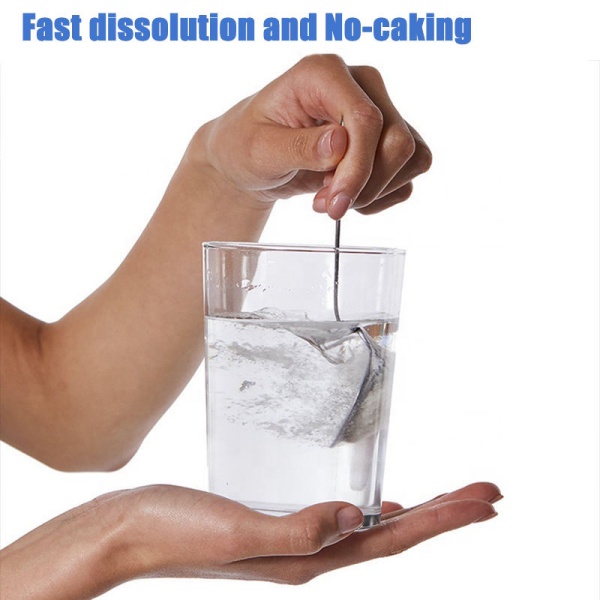
Hydrolyzed elastin uses smaller protein peptides that can integrate into many water based personal care systems. This feature helps formulators create creams, serums, shampoos, conditioners, and masks without working around large, difficult to disperse protein particles. Hydrolyzed elastin can be added at a controlled stage of production, subject to the grade specification, which supports practical batch planning. Its soluble format also helps deliver a more even ingredient distribution throughout the finished product. That consistency matters because consumers expect the same texture and conditioning effect every time they use a product. For manufacturers, hydrolyzed elastin can reduce formulation complexity and make it easier to test several product concepts from one raw material platform. The ingredient can work alongside humectants, oils, silicones, botanical materials, and other proteins when compatibility testing confirms the fit. Buyers gain more options for developing lightweight, elegant textures while maintaining a clear protein care message. This makes hydrolyzed elastin suitable for both new launches and line extensions.
Soft Skin Feel and Hair Conditioning

Soft Skin Feel and Hair Conditioning

Hydrolyzed elastin gives formulas a practical sensory benefit: a softer, smoother, more conditioned finish. In skin care, hydrolyzed elastin can help a lotion or serum feel comfortable and supple after application. In hair care, hydrolyzed elastin can support easier combing, improved manageability, and a less rough surface feel. These effects help brands create products that consumers can experience immediately, without relying only on abstract technical language. Hydrolyzed elastin is especially useful when a formula needs conditioning support but should not feel excessively rich, sticky, or greasy. It can complement moisturizers in dry skin products and work with other conditioning materials in rinse off or leave in hair products. The final result depends on the full formula, use level, processing conditions, and testing, so responsible brands should verify performance in finished prototypes. For buyers, the value lies in a flexible sensory tool that can improve user satisfaction across daily care products. Hydrolyzed elastin also supports claims centered on softness, smoothness, flexibility, and manageability.
Reliable Storytelling Across Beauty Categories

Reliable Storytelling Across Beauty Categories

Hydrolyzed elastin gives brands a recognizable ingredient story that connects protein care with softness and flexibility. This message can support facial care, body care, hair care, cleansing, treatment, and professional beauty products. Hydrolyzed elastin helps purchasing and marketing teams work from a shared product concept because the ingredient has both a functional role and an easy to explain consumer benefit. A supplier may provide different grades, concentrations, sources, and physical formats, allowing buyers to match the material to the target price, texture, and positioning. Hydrolyzed elastin can appear in premium formulas, everyday products, salon treatments, or focused specialty ranges when technical documentation supports the intended use. This range can help companies extend one successful concept into multiple categories while keeping the ingredient narrative consistent. Buyers should still review regulatory status, allergen information, origin, stability data, and quality controls for each market. With suitable testing, hydrolyzed elastin can strengthen packaging language, sales education, and product differentiation. It offers a practical bridge between formulation performance and clear consumer communication.
Call
+86-18265650337
WhatsApp
Hydrolyzed Elastin for Skin and Hair Care
Email Inquiry

Get a Free Quote

Our representative will contact you soon.
Email
Name
Company Name
Message
0/1000