skincare raw materials
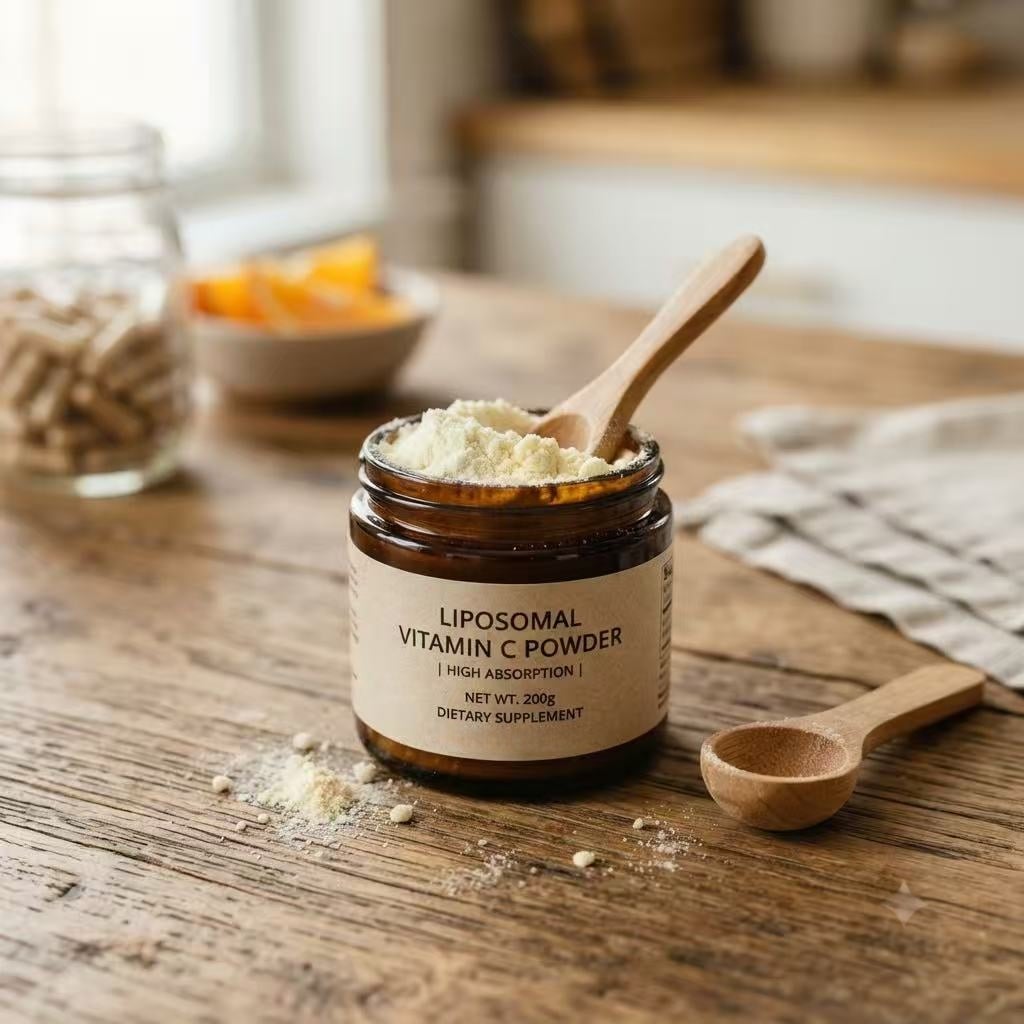
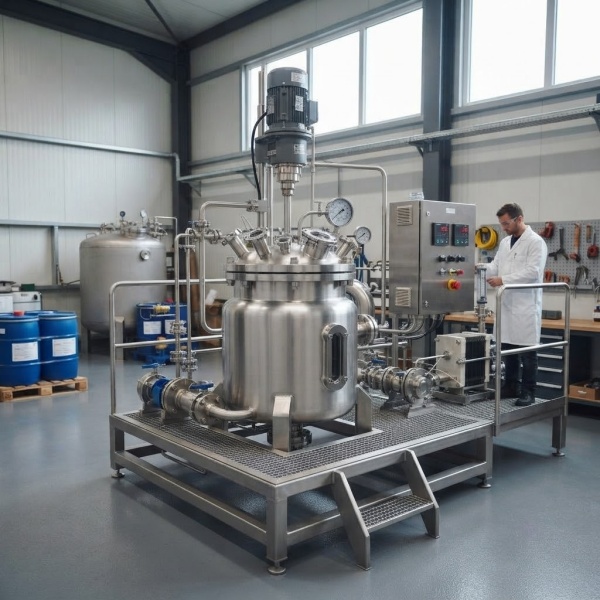
Skincare raw materials are the functional building blocks used to create creams, lotions, cleansers, serums, masks, and other personal care products. They include moisturizers, emollients, oils, botanical extracts, vitamins, surfactants, thickeners, preservatives, antioxidants, fragrances, and active ingredients. Each type supports a clear purpose, such as improving hydration, softening skin, removing impurities, protecting formulas, or creating a pleasant texture. When buyers compare skincare raw materials, they should assess performance, purity, compatibility, supply consistency, and intended product use. These materials also influence appearance, spreadability, absorption, shelf life, and consumer experience. For manufacturers, skincare raw materials provide the flexibility to develop targeted products for dry, sensitive, oily, mature, or blemish-prone skin. A balanced portfolio of skincare raw materials can support both everyday formulas and premium treatment concepts. Many skincare raw materials work well in water-based systems, while others suit oil-based, anhydrous, or emulsion formats. Some skincare raw materials deliver immediate sensory benefits, including a smooth finish or rich cushion. Other skincare raw materials support longer-term claims, such as improved moisture retention or a more even-looking complexion. Because skincare raw materials differ in stability and processing needs, formulators must review recommended dosage, temperature limits, pH range, and storage guidance. In practice, skincare raw materials help brands turn a product concept into a stable, attractive, and commercially useful formula. The right selection can simplify development, strengthen product claims, and improve customer satisfaction.

 EN
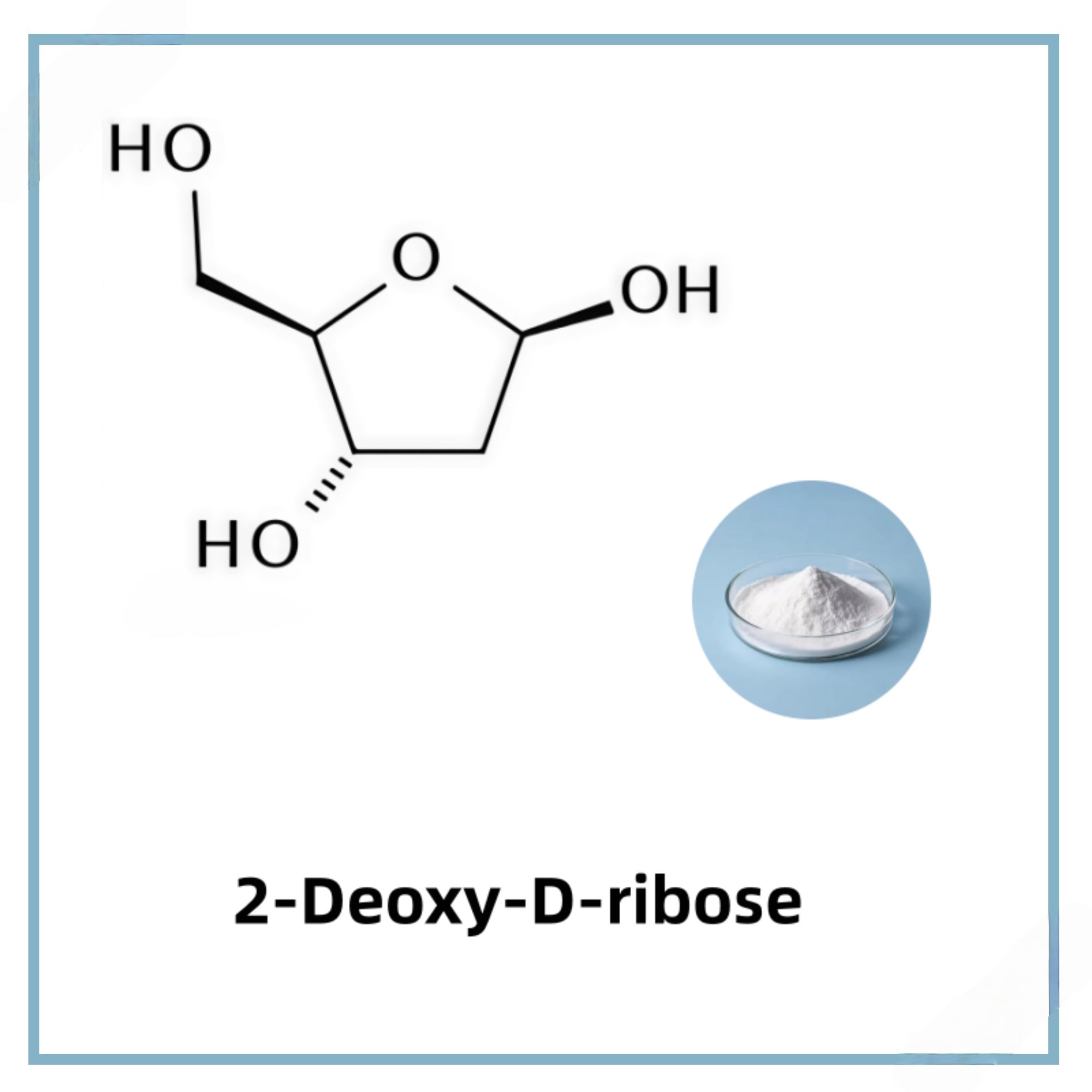 2DDR CAS 533-67-5"
loading="lazy"
>
 CAS 7531-52-4"
loading="lazy"
>
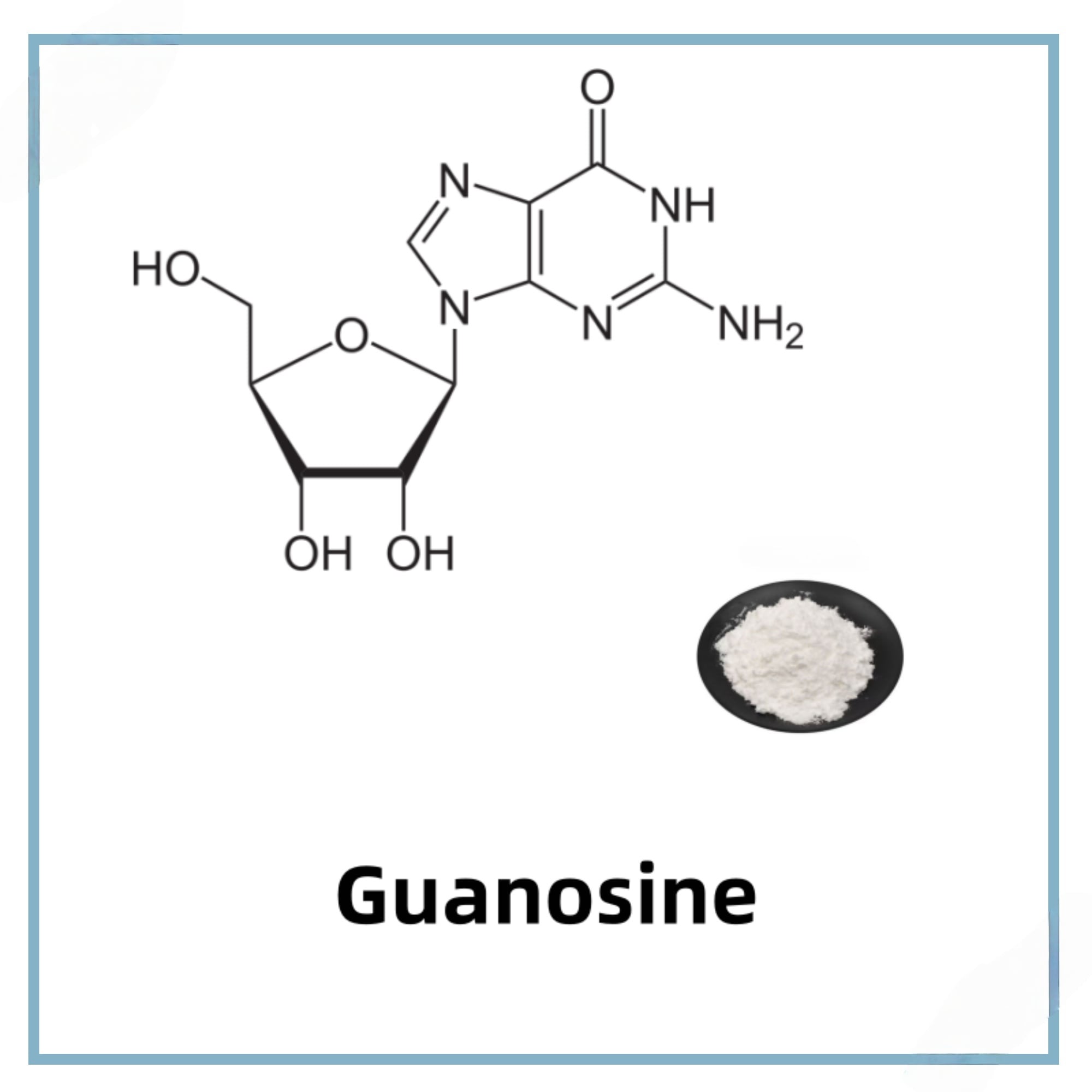 CAS 118-00-3"
loading="lazy"
>
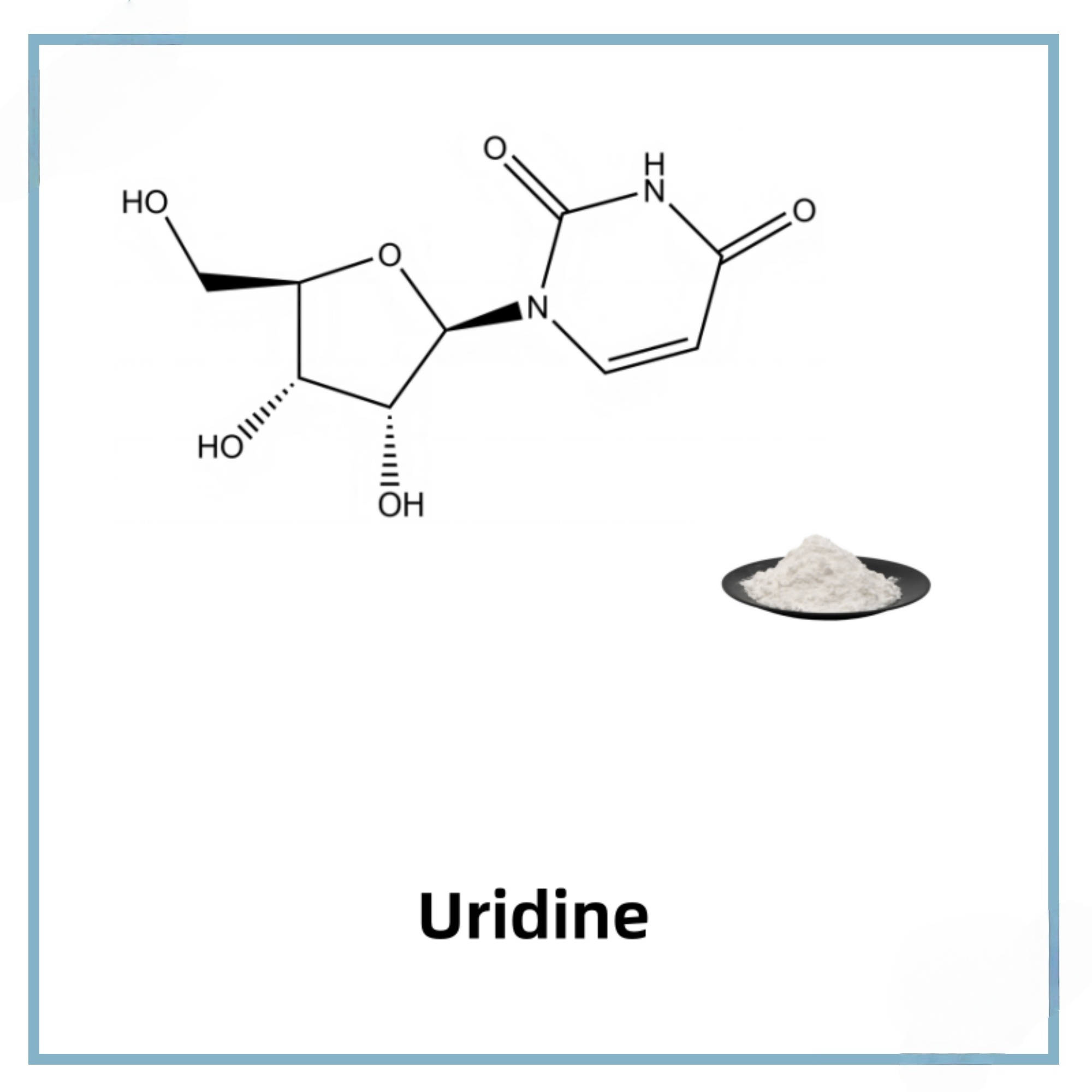 CAS NO.58-96-8"
loading="lazy"
>