apricot amygdalin
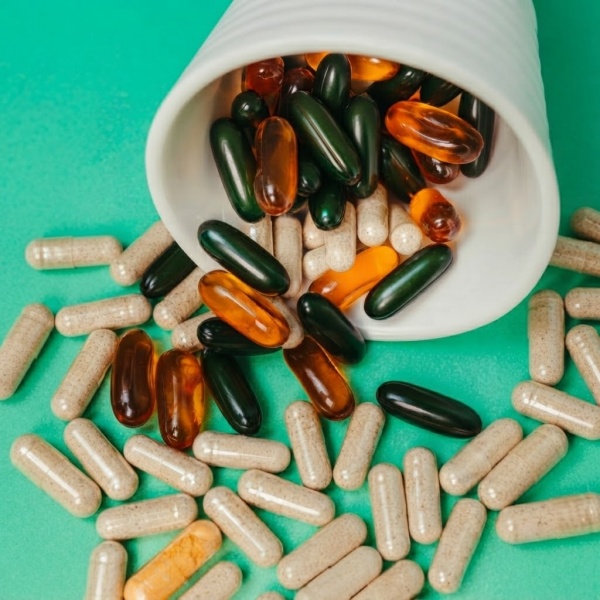
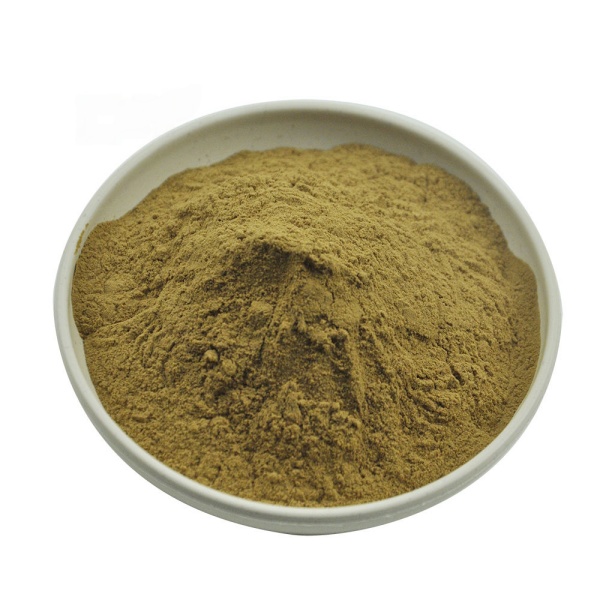
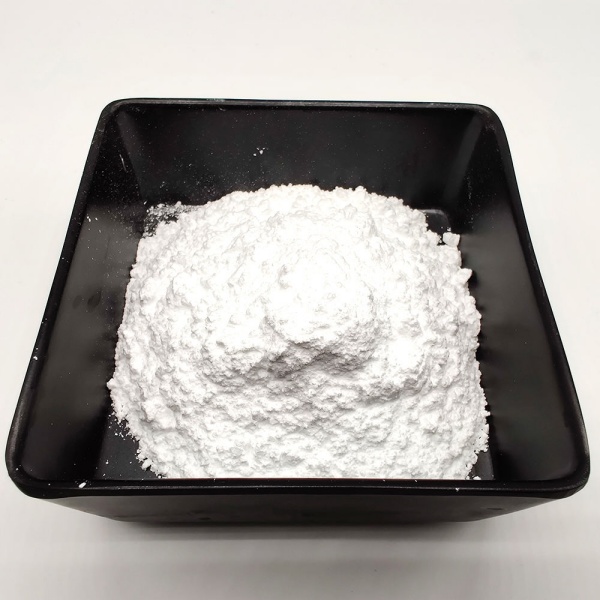
Apricot amygdalin is a naturally occurring cyanogenic glycoside associated mainly with apricot kernels and other stone-fruit seeds. Apricot amygdalin is also known in some markets as amygdalin or vitamin B17, although it is not an officially recognized vitamin. In its natural form, apricot amygdalin contains a sugar component linked with benzaldehyde and cyanide-releasing groups. This composition explains both its research interest and the need for careful handling. Apricot amygdalin can break down when exposed to enzymes, moisture, heat, or digestive conditions, and this reaction may release hydrogen cyanide. For that reason, apricot amygdalin is not a casual food ingredient and should not be presented as a proven treatment for cancer or other diseases. Commercial apricot amygdalin usually requires identity testing, assay measurement, contaminant screening, and controls for cyanogenic compounds. Processing features may include drying, milling, extraction, purification, filtration, concentration, and standardized packaging. The selected process affects purity, particle size, solubility, stability, and ease of use. Apricot amygdalin may appear as a powder, laboratory reference material, extract, or research-grade preparation, depending on the supplier and intended use. Common applications include analytical research, method development, botanical studies, formulation screening, and educational work on plant compounds. Apricot amygdalin can support controlled laboratory projects when the buyer receives a clear specification, certificate of analysis, batch traceability, and storage guidance. Suitable packaging may use sealed, light-resistant containers with moisture protection. Buyers should review local laws, intended-use restrictions, safety data, and professional handling requirements before selecting apricot amygdalin.
 EN
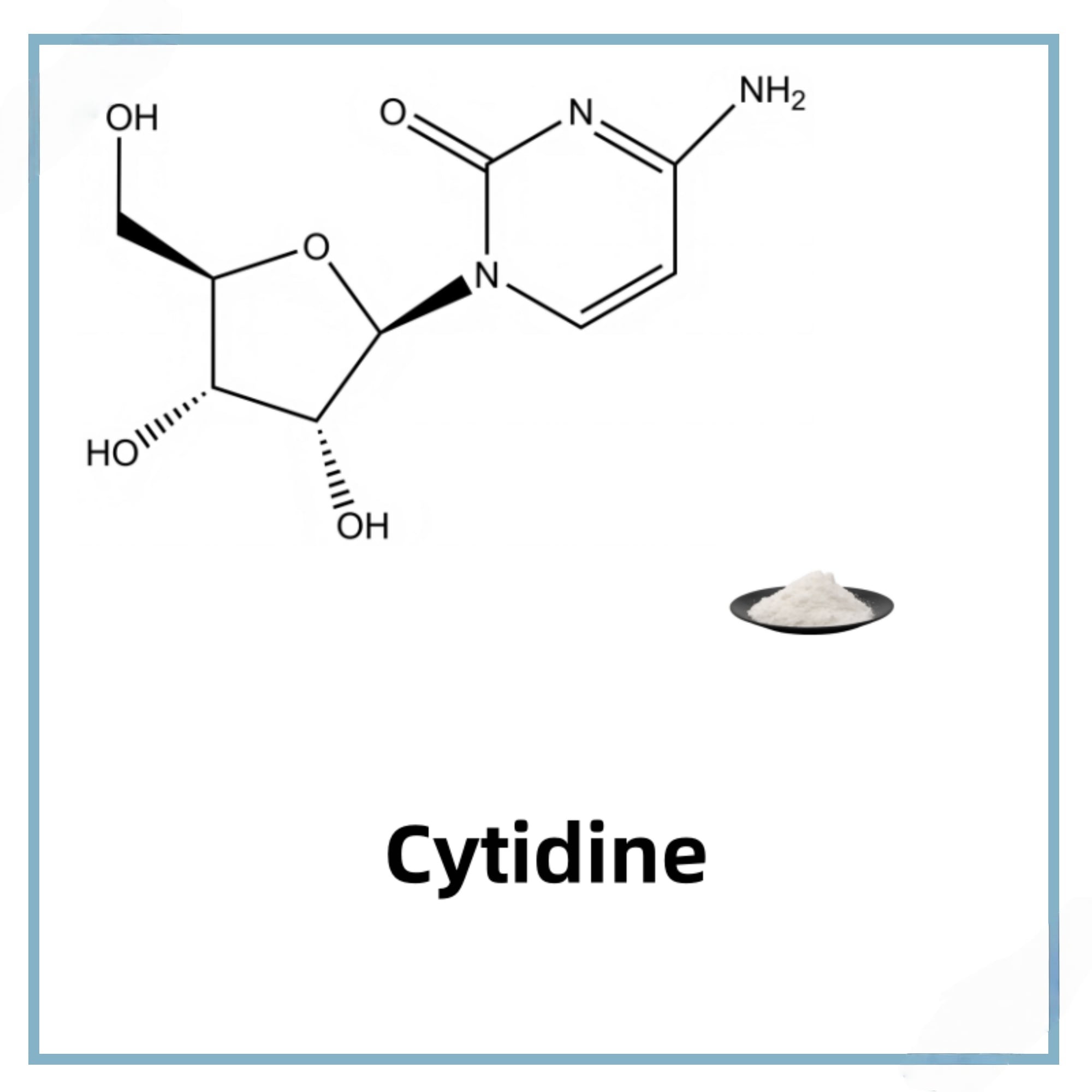 CAS 65-46-3"
loading="lazy"
>
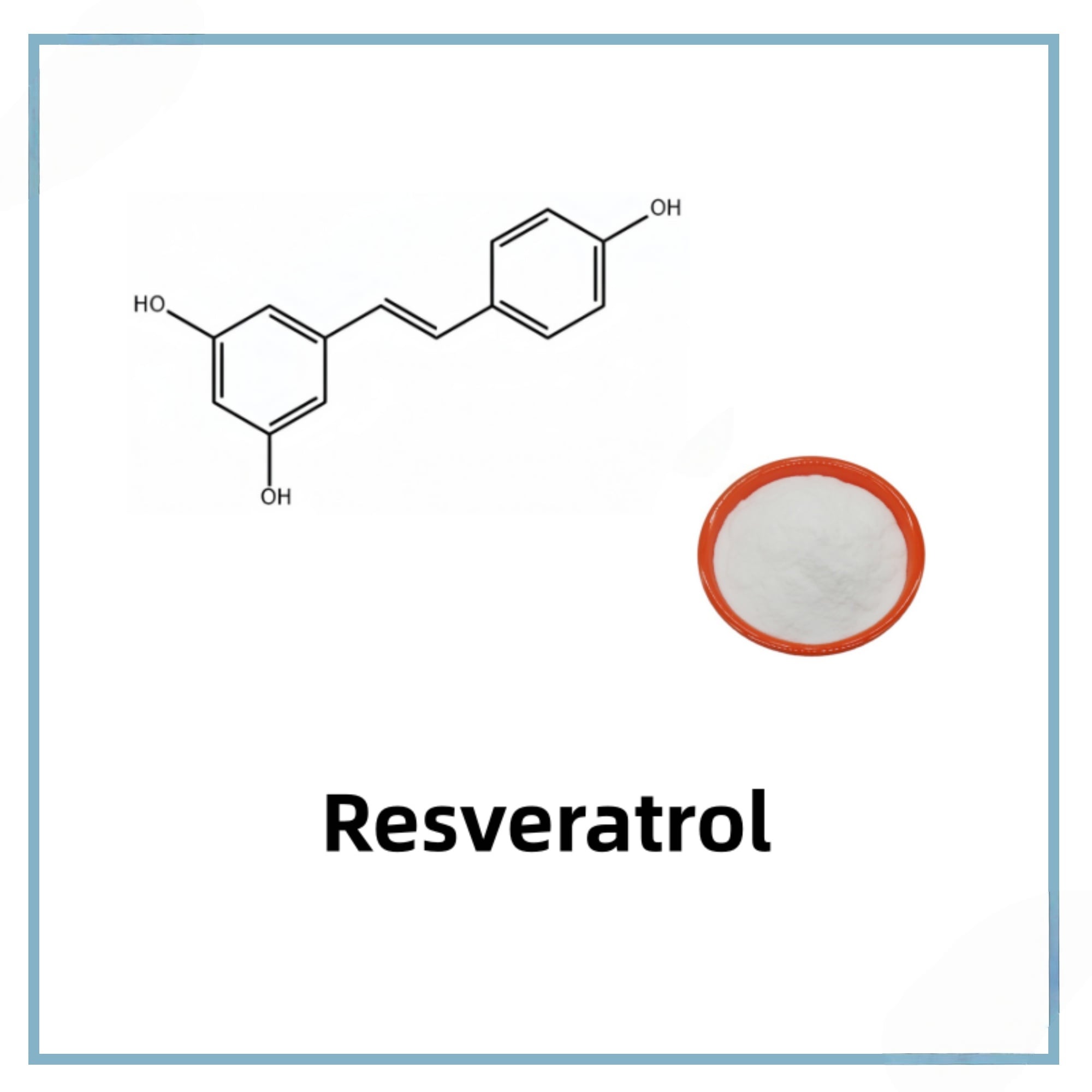 CAS 501-36-0"
loading="lazy"
>
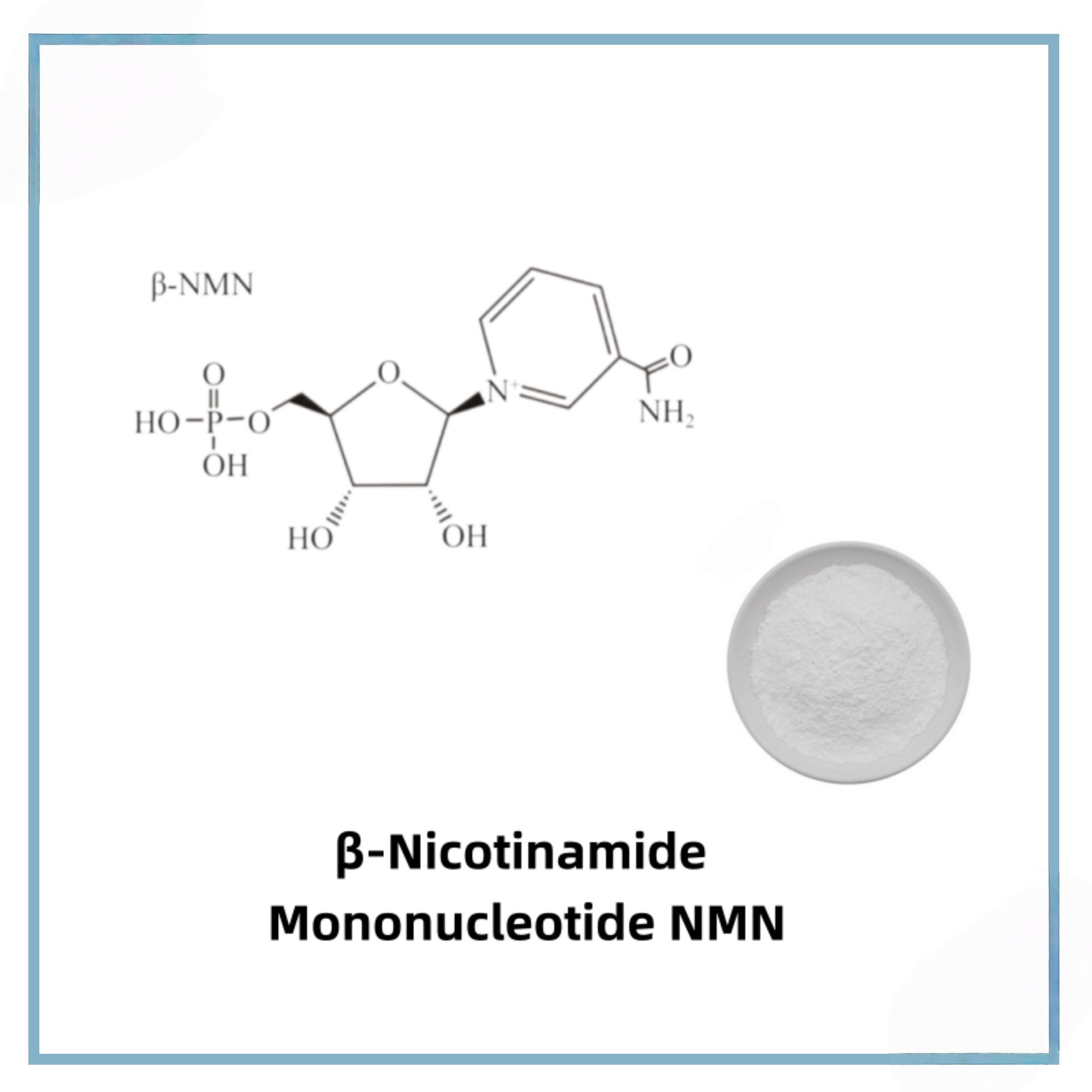 CAS 1094-61-7"
loading="lazy"
>
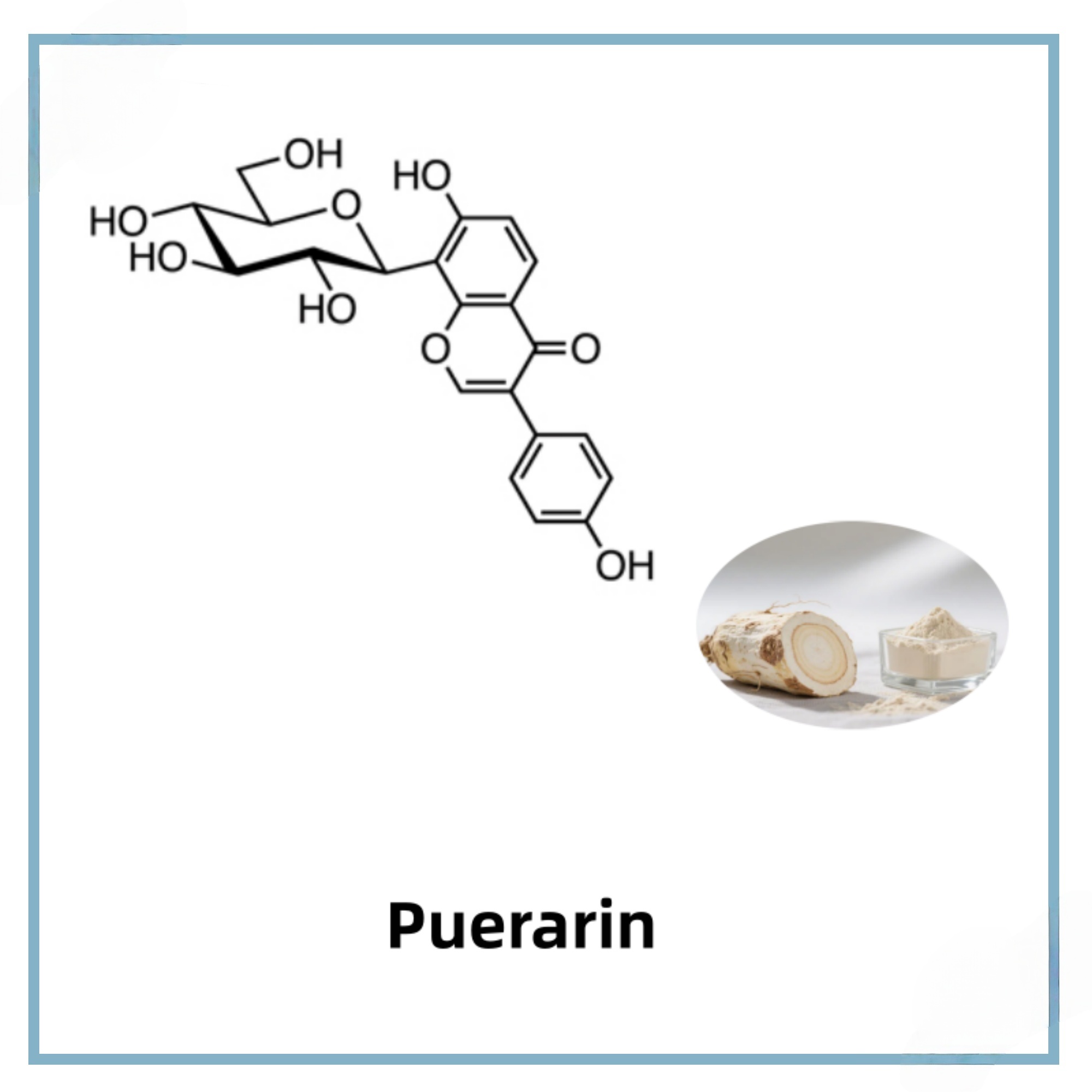 CAS 3681-99-0"
loading="lazy"
>