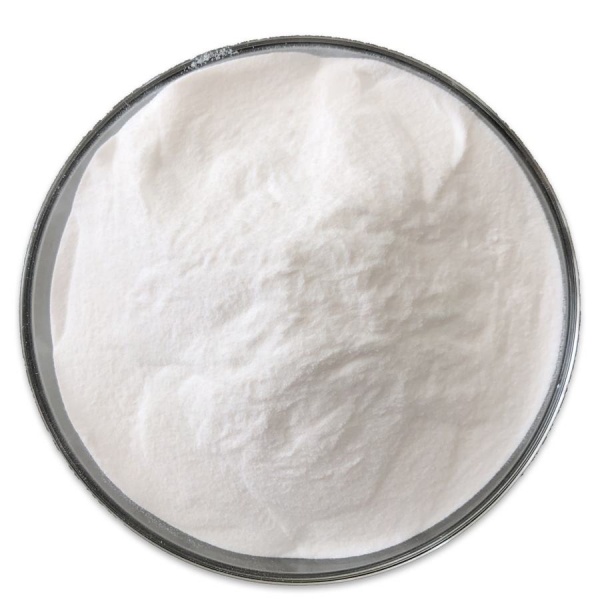
2 deoxy ribose
2 deoxy ribose is a five-carbon sugar that forms the structural backbone of DNA. Its scientific name is 2-deoxy-D-ribose, because one oxygen atom is missing from the second carbon compared with ribose, the sugar found in RNA. This small molecular difference gives DNA greater chemical stability and helps genetic information remain stored for long periods. 2 deoxy ribose links with phosphate groups and nitrogen-containing bases to create the repeating DNA chain found in cells. In a laboratory, 2 deoxy ribose serves as an important reference material, synthesis component, and research reagent. Suppliers may offer it as a purified powder, solution, or custom-prepared grade, depending on the intended process. Product specifications commonly cover identity, assay, moisture, residual solvents, appearance, and storage conditions. 2 deoxy ribose can support analytical method development, nucleoside preparation, oligonucleotide work, and educational demonstrations of DNA structure. Researchers also use 2 deoxy ribose when studying sugar chemistry, DNA damage, oxidative reactions, and biomolecular interactions. Its technical value comes from consistent composition, measurable purity, and compatibility with controlled laboratory workflows. Proper packaging protects the material from heat, moisture, light, and contamination. For commercial buyers, 2 deoxy ribose offers a practical starting material for experiments that require a defined DNA-related sugar. Selecting the correct grade, concentration, pack size, and documentation helps teams obtain repeatable results and reduce delays during research, development, and quality testing.

 EN
EN
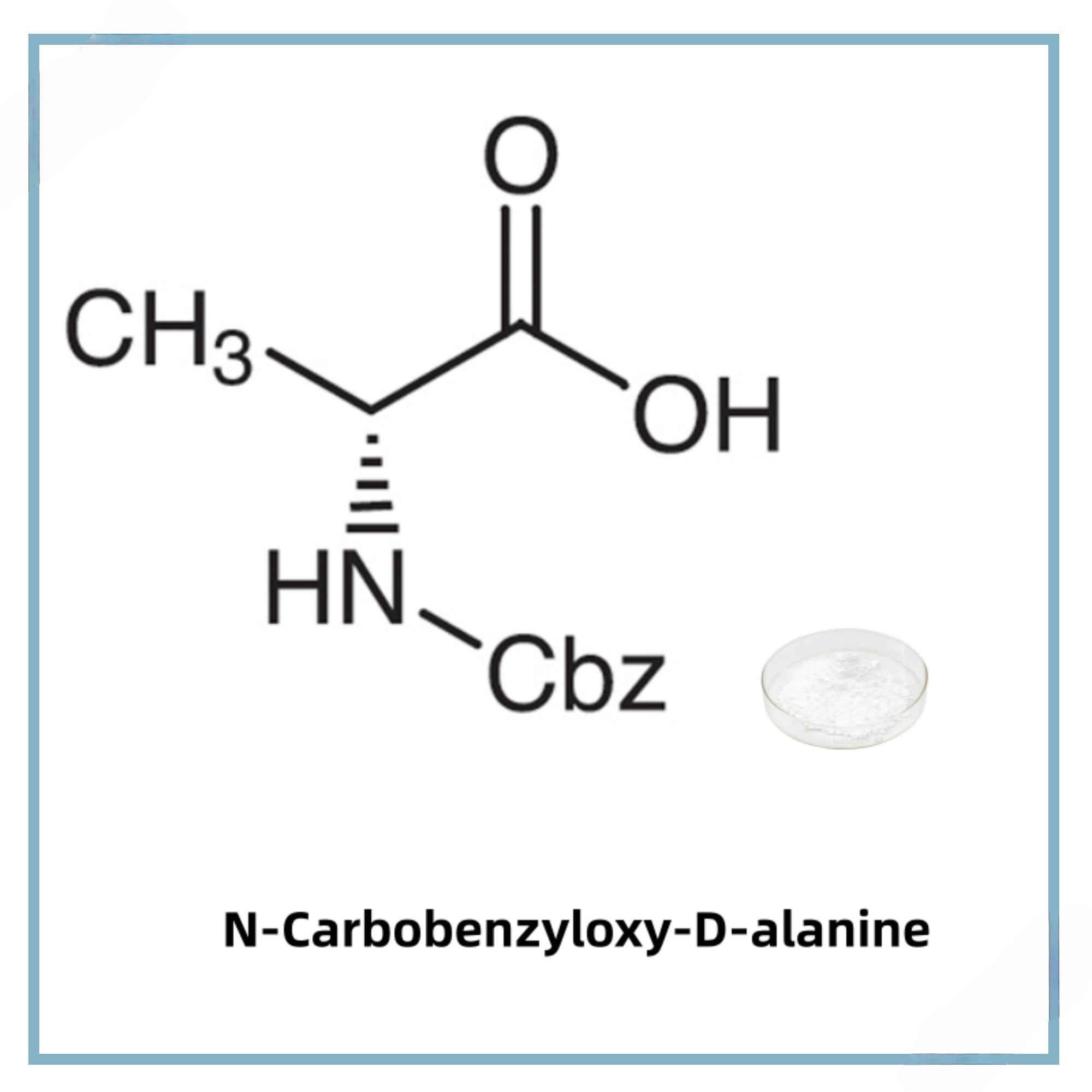 CAS 26607-51-2"
loading="lazy"
>
CAS 26607-51-2"
loading="lazy"
>
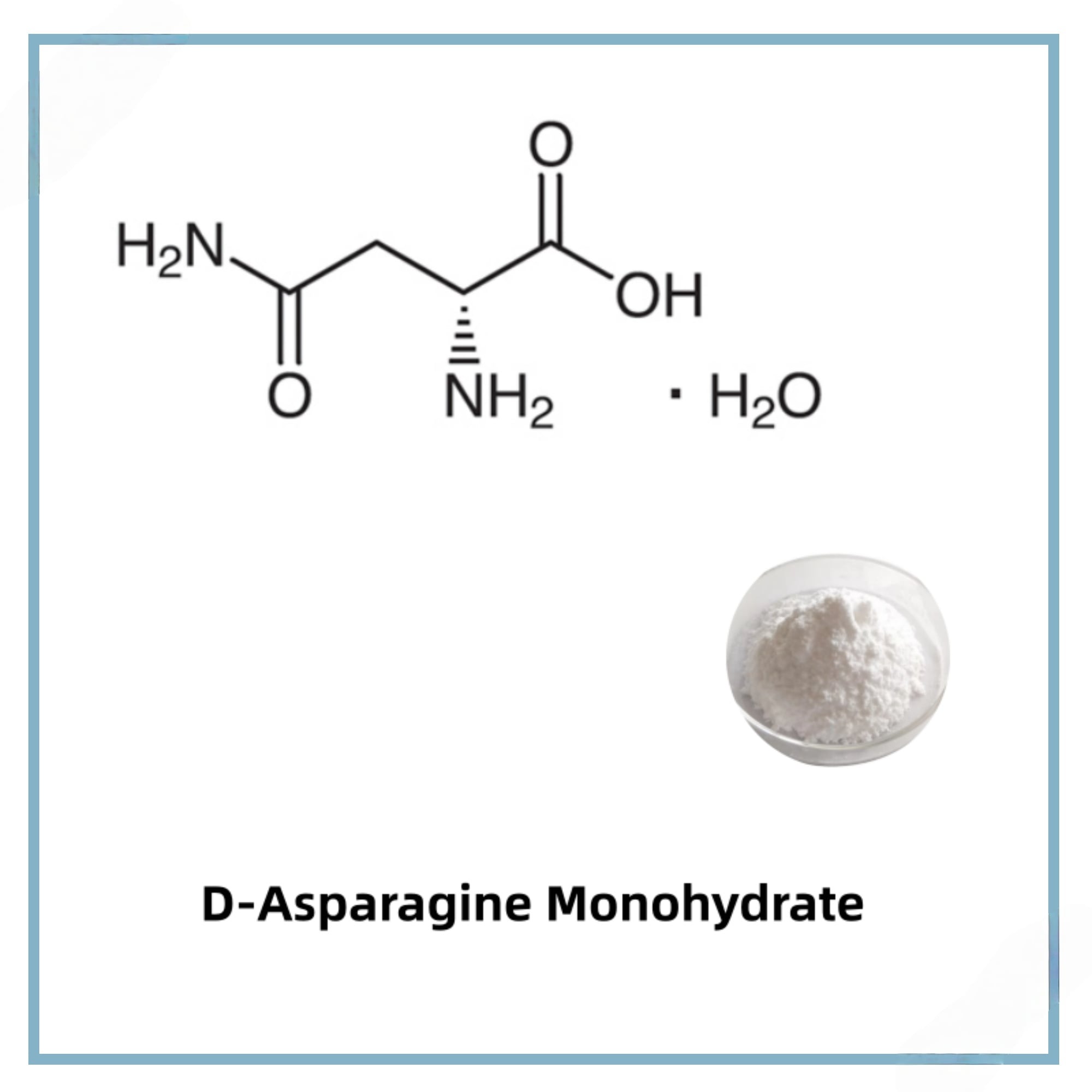 CAS 5794-24-1"
loading="lazy"
>
CAS 5794-24-1"
loading="lazy"
>
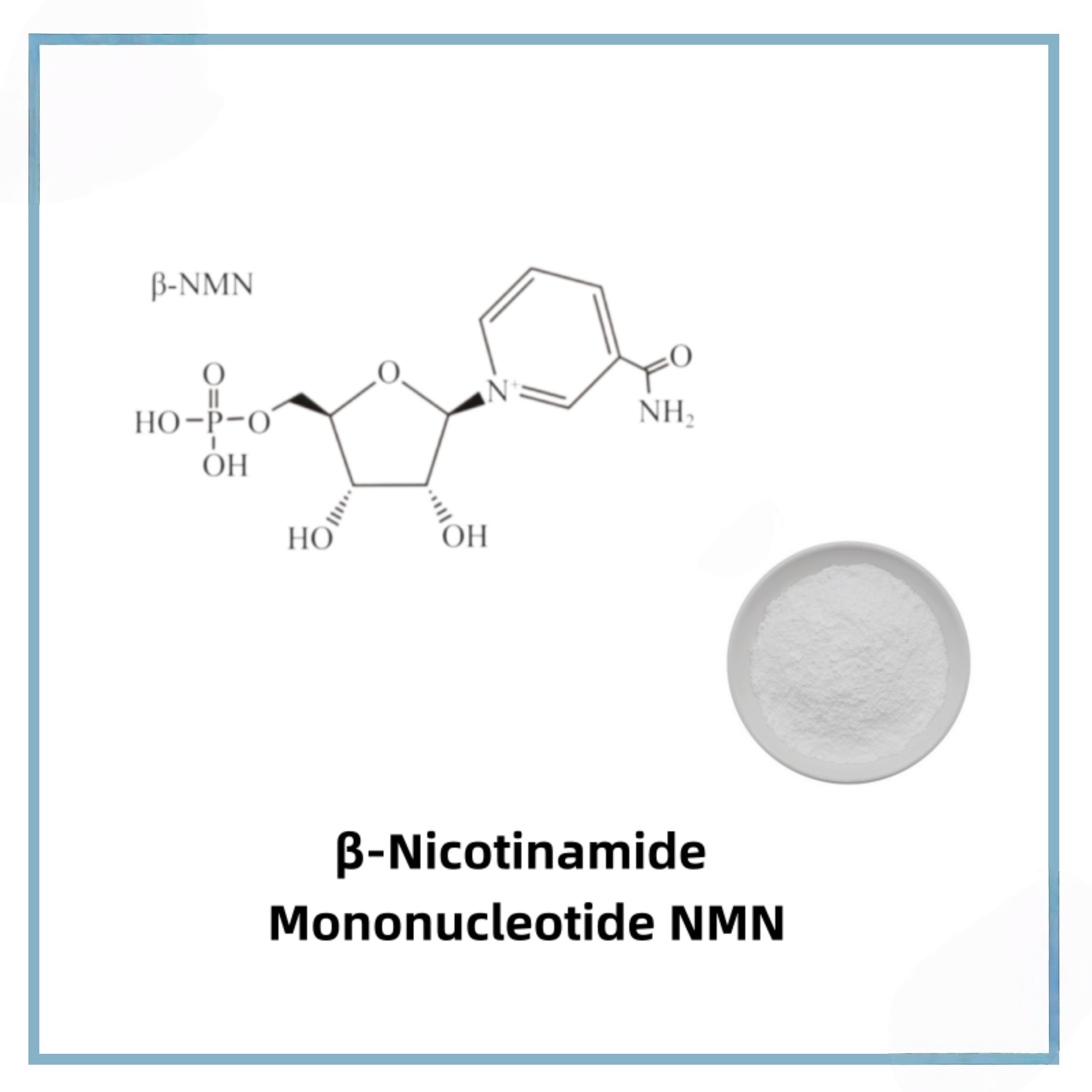 CAS 1094-61-7"
loading="lazy"
>
CAS 1094-61-7"
loading="lazy"
>
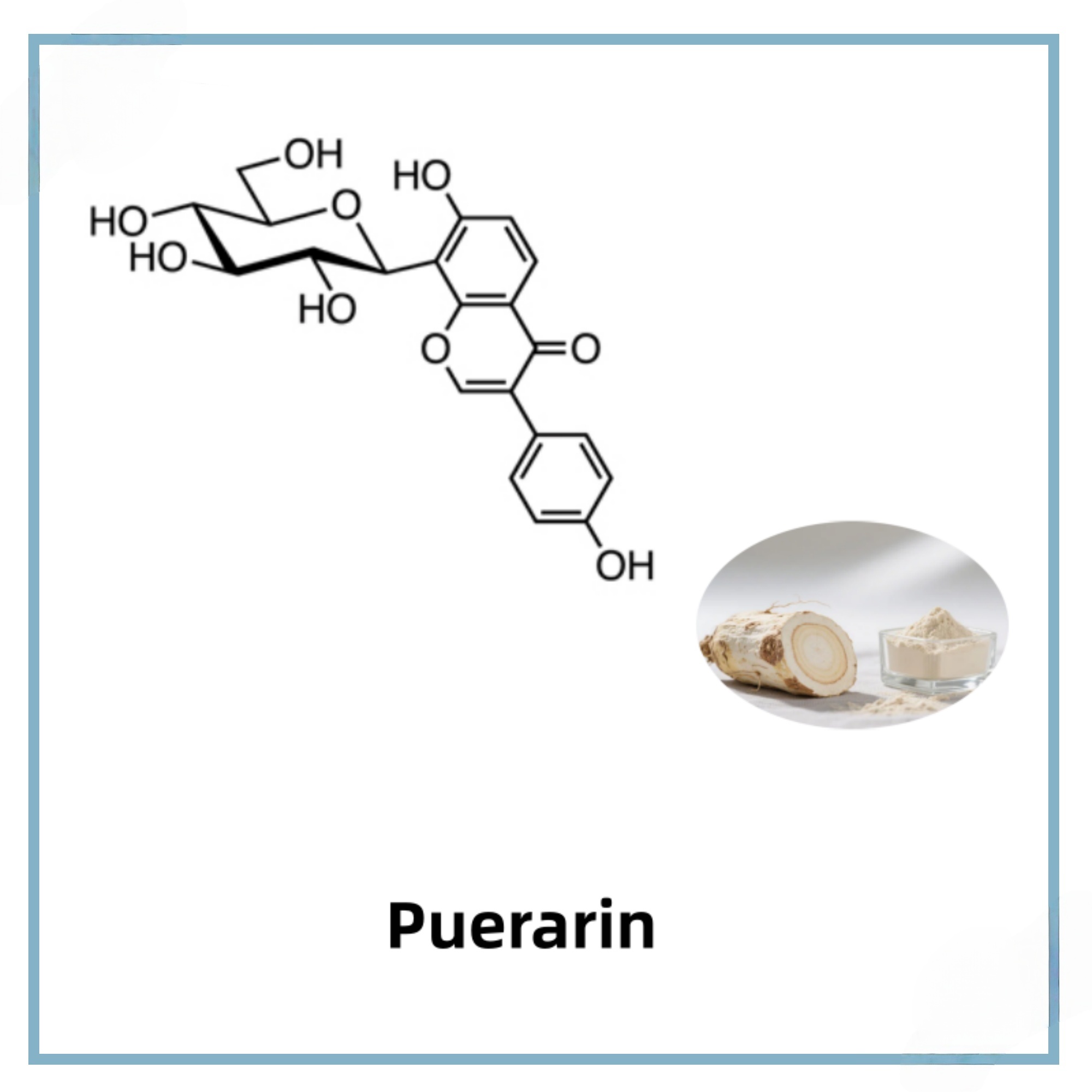 CAS 3681-99-0"
loading="lazy"
>
CAS 3681-99-0"
loading="lazy"
>