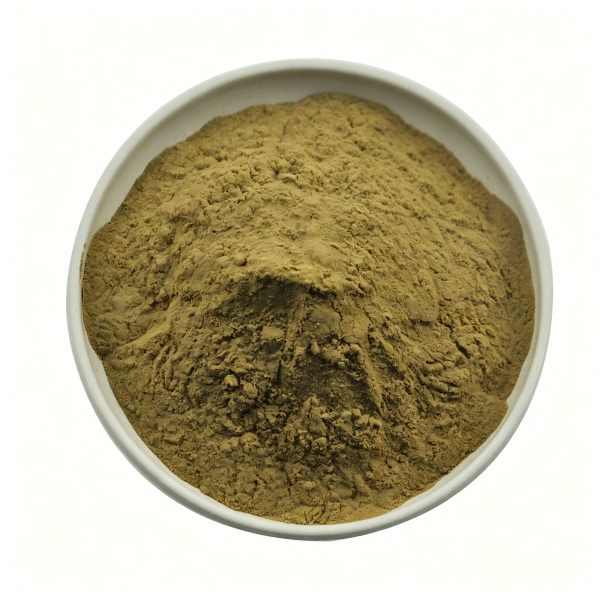
amygdalin extract
Amygdalin extract is a plant-derived ingredient obtained mainly from apricot, bitter almond, peach, plum, or other stone fruit seeds. It contains amygdalin, a naturally occurring cyanogenic glycoside, and is supplied for laboratory, analytical, cosmetic, and product development work. An amygdalin extract may appear as a powder, liquid concentrate, or standardized botanical material, depending on the source and processing method. The main functions of amygdalin extract include serving as a research compound, an analytical reference material, and a botanical ingredient for controlled formulation studies. In product development, amygdalin extract helps teams evaluate ingredient identity, stability, solubility, and compatibility with other materials. Manufacturers can use amygdalin extract in small, measured quantities when developing educational samples, research formulations, or botanical testing protocols. Modern amygdalin extract processing may include seed cleaning, drying, milling, solvent extraction, filtration, concentration, and low-temperature drying. These steps help create a more consistent material while reducing unwanted plant particles. A reliable amygdalin extract should include clear specifications for assay, moisture, appearance, batch number, storage conditions, and testing methods. Because amygdalin extract can release cyanide under certain conditions in the body, it should not be promoted as a cancer treatment or consumed without qualified professional guidance. Common applications for amygdalin extract include pharmaceutical research, natural product screening, reference testing, academic studies, and formulation feasibility work. Buyers should treat amygdalin extract as a technical ingredient rather than a proven therapeutic product. Overall, amygdalin extract offers a defined botanical source, flexible formats, and useful testing value when supplied with responsible documentation and safety information.

 EN
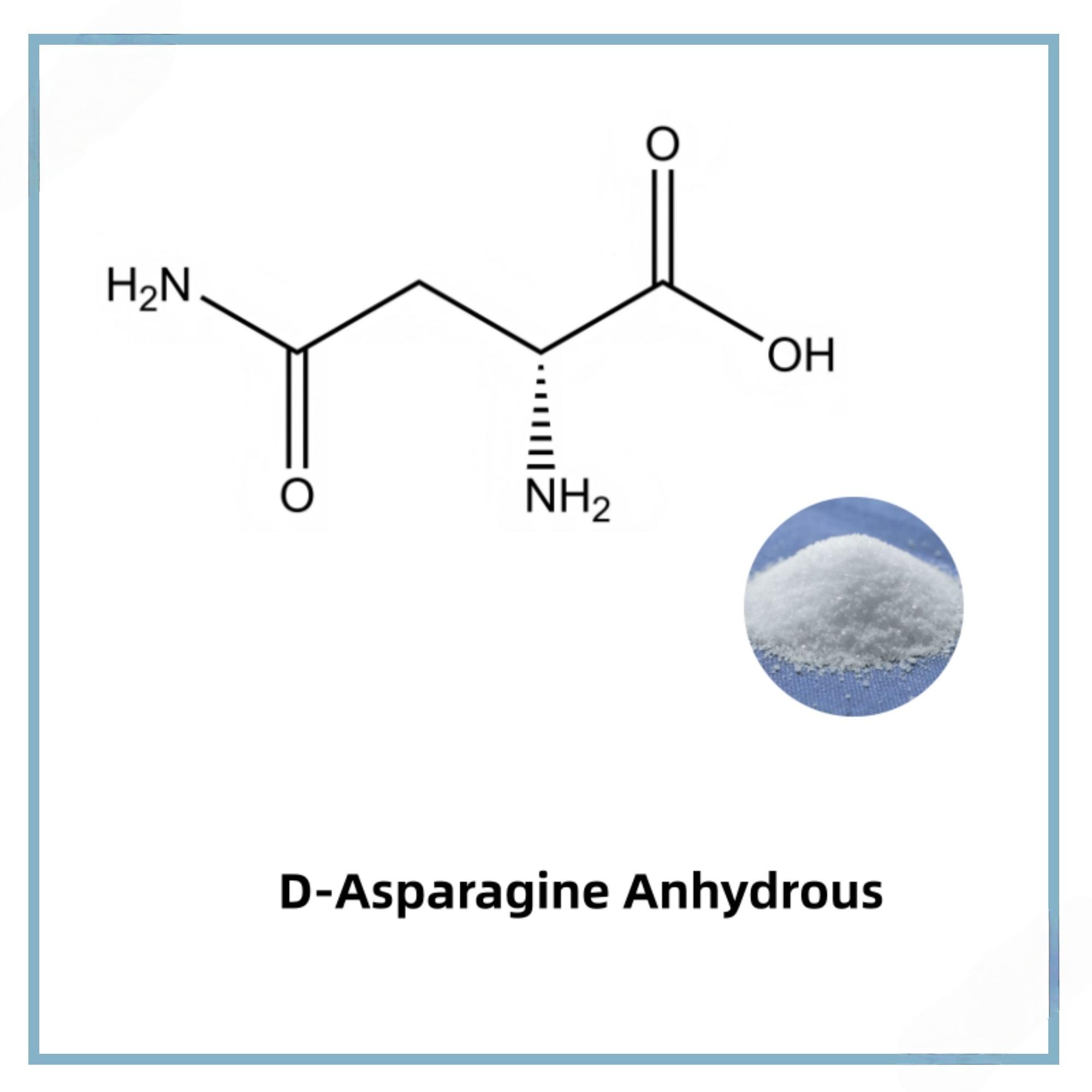 CAS 2058-58-4"
loading="lazy"
>
 CAS 7531-52-4"
loading="lazy"
>
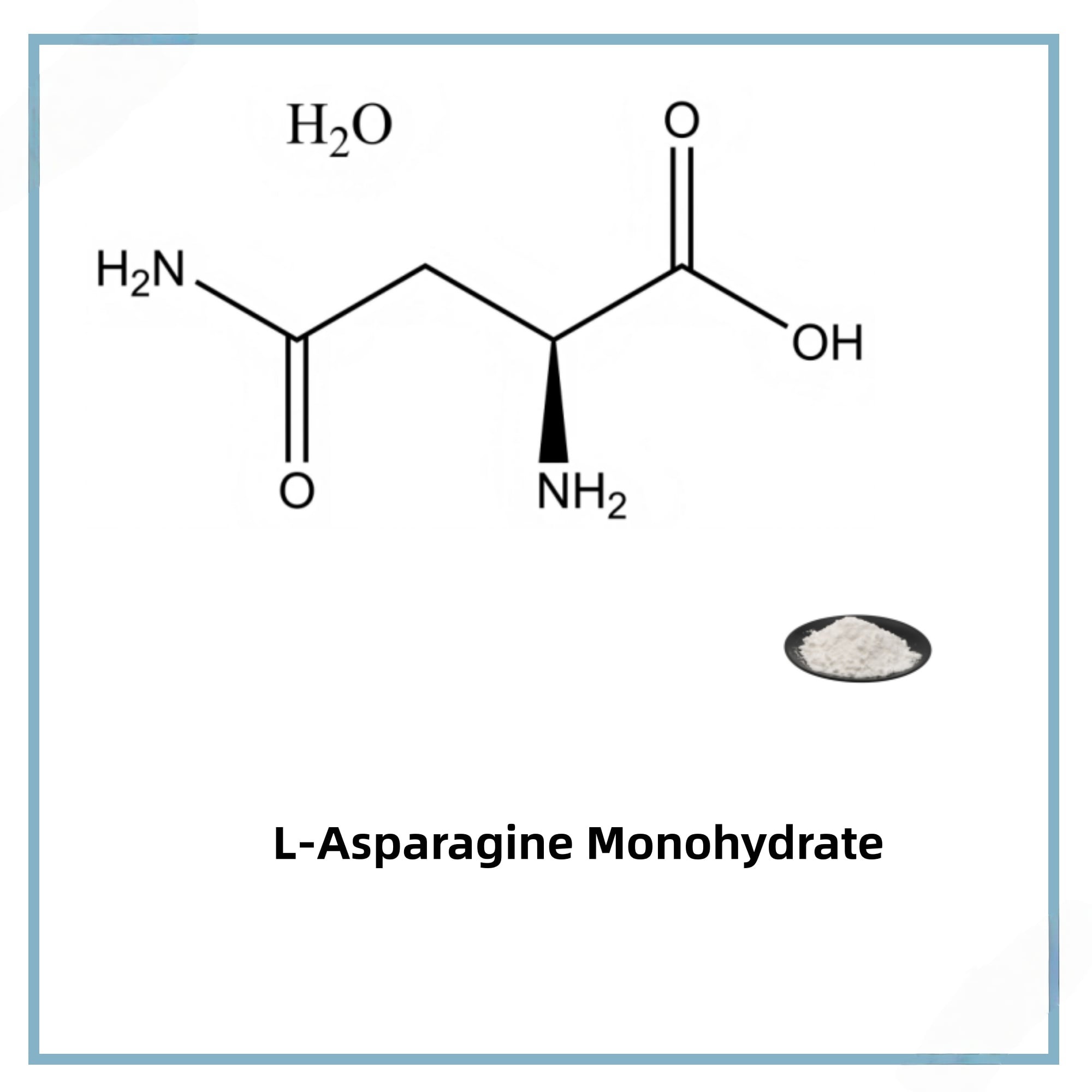 CAS 5794-13-8"
loading="lazy"
>
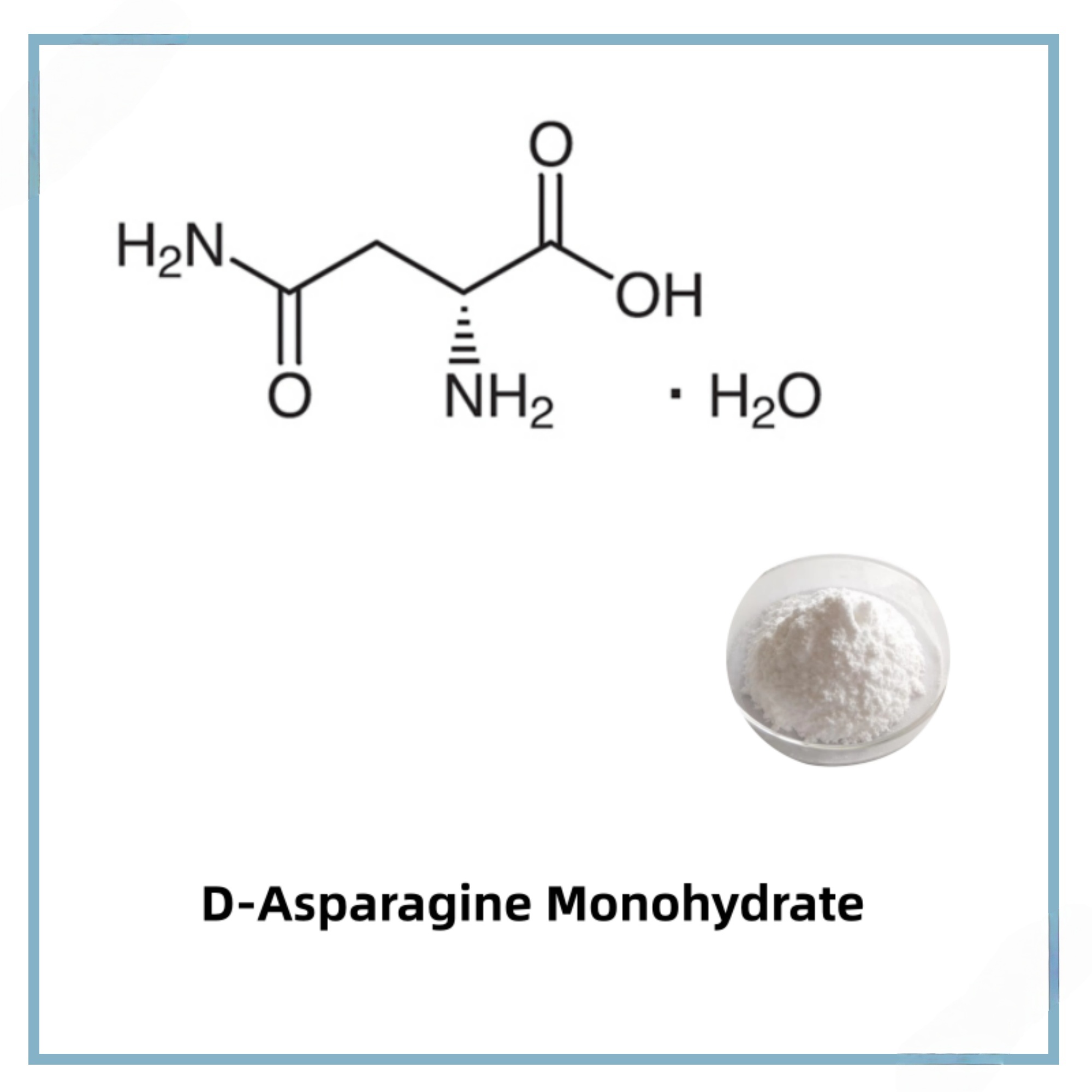 CAS 70-47-3"
loading="lazy"
>