Cosmetic Raw Materials: Quality Ingredients Guide

All Categories

cosmetic raw materials

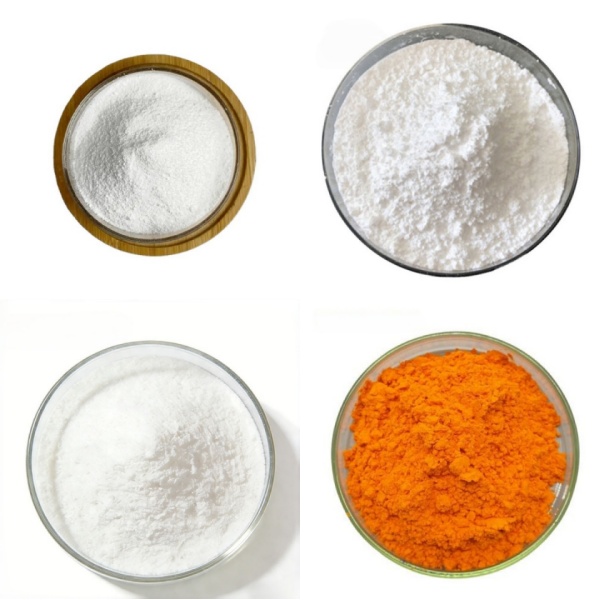
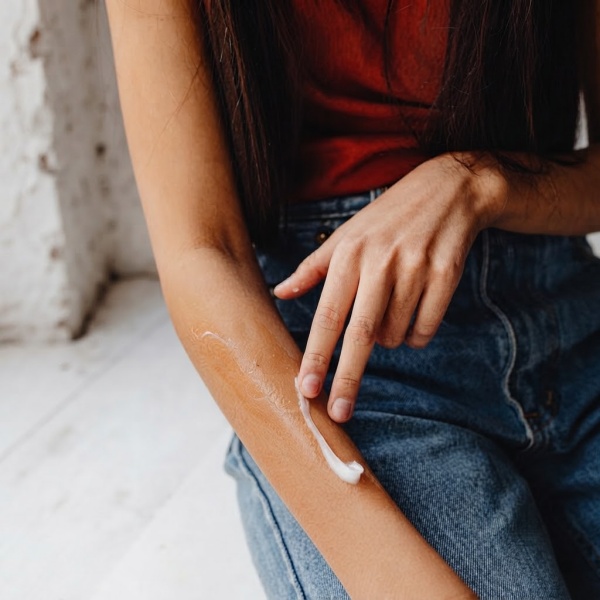
Cosmetic raw materials form the foundation of every beauty and personal care product, encompassing a diverse range of ingredients that deliver specific functions and benefits. These essential components include active ingredients, emollients, preservatives, surfactants, thickeners, and functional additives that work synergistically to create effective formulations. The selection of quality cosmetic raw materials directly impacts product performance, stability, and consumer satisfaction. Modern cosmetic raw materials are developed through advanced biotechnology, green chemistry, and sustainable sourcing practices to meet evolving industry standards and consumer expectations. They undergo rigorous testing for safety, efficacy, and compatibility to ensure regulatory compliance across global markets. From natural botanical extracts and peptides to synthetic polymers and silicon derivatives, cosmetic raw materials offer formulators unlimited possibilities for innovation. The technological features of these ingredients include enhanced bioavailability, controlled release mechanisms, multi-functionality, and improved sensory profiles. Applications span across skincare, haircare, color cosmetics, sun protection, and anti-aging formulations. Understanding the properties and interactions of cosmetic raw materials enables manufacturers to develop products that address specific skin concerns, deliver measurable results, and create memorable user experiences. As the beauty industry continues to prioritize clean beauty, transparency, and sustainability, the demand for responsibly sourced cosmetic raw materials with documented provenance and ethical production practices continues to grow exponentially.

New Products

Adenosine<br alt=CAS 58-61-7" loading="lazy" > VIEW DETAILS
Uridine<br alt=CAS NO.58-96-8" loading="lazy" > VIEW DETAILS
Investing in premium cosmetic raw materials delivers significant value throughout the entire product development and commercialization process. High-quality ingredients ensure formulation stability, reducing the risk of separation, discoloration, or texture changes that could compromise product shelf life and brand reputation. Superior cosmetic raw materials enable manufacturers to create differentiated products with proven efficacy, helping brands establish competitive advantages in saturated markets. These materials often come with comprehensive technical documentation, including safety data sheets, efficacy studies, and formulation guidelines that streamline development timelines and reduce testing costs. Operational benefits include improved batch-to-batch consistency, which minimizes production variations and waste while maintaining product quality standards. Many modern cosmetic raw materials offer multi-functional properties, allowing formulators to simplify ingredient lists, reduce formulation complexity, and appeal to consumers seeking transparent, minimalist beauty products. Application suitability is another critical advantage, as specialized cosmetic raw materials are engineered for specific product formats, whether emulsions, serums, powders, or anhydrous formulations. They demonstrate excellent compatibility with various delivery systems and packaging formats, ensuring product integrity from manufacturing through consumer use. Decision-making becomes more confident when working with reputable suppliers who provide technical support, regulatory assistance, and innovation partnerships. Cosmetic raw materials that meet international standards facilitate market expansion and global distribution, opening new revenue opportunities. Additionally, sustainable and ethically sourced ingredients resonate with conscious consumers, enhancing brand image and customer loyalty. The right cosmetic raw materials ultimately translate to better-performing products, reduced reformulation needs, improved manufacturing efficiency, and stronger market positioning that drives long-term business success.

Latest News

Cellular Empowerment Enters a New Era: How Pyrroloquinoline Quinone Disodium Salt (PQQ-Na2) Is Driving the Rise of Mitochondrial Anti-Aging

18

Jun

Cellular Empowerment Enters a New Era: How Pyrroloquinoline Quinone Disodium Salt (PQQ-Na2) Is Driving the Rise of Mitochondrial Anti-Aging

The global healthy aging industry is undergoing a profound transformation. As scientific understanding of cellular biology continues to advance, consumers are no longer satisfied with traditional antioxidant solutions alone. Instead, attention is shifting toward technologies that support cellular regeneration, mitochondrial function, and long-term vitality.
View More
How Technical Grade 2-Deoxy-D-Ribose Suppliers Operate

14

Jul

How Technical Grade 2-Deoxy-D-Ribose Suppliers Operate

View More
Bulk 2-Deoxy-D-Ribose Sourcing for Bio-Tech Sectors

14

Jul

Bulk 2-Deoxy-D-Ribose Sourcing for Bio-Tech Sectors

View More
2-Deoxy-D-Ribose Sourcing for Enzyme Production Scales

14

Jul

2-Deoxy-D-Ribose Sourcing for Enzyme Production Scales

View More

Get a Free Quote

Our representative will contact you soon.
Email
Name
Company Name
Message
0/1000

cosmetic raw materials

Advanced Functional Performance

Advanced Functional Performance

Modern cosmetic raw materials are engineered with sophisticated technologies that deliver targeted benefits and superior performance characteristics. These ingredients incorporate cutting-edge innovations such as encapsulation technology, which protects sensitive actives from degradation while enabling controlled release for prolonged efficacy. Advanced delivery systems enhance penetration of beneficial compounds into skin layers where they can perform optimally. Many cosmetic raw materials now feature biomimetic properties that work in harmony with skin's natural processes, improving compatibility and reducing irritation potential. Formulators can access ingredients with proven clinical results, backed by scientific research demonstrating measurable improvements in skin hydration, firmness, texture, and appearance. The functional versatility of premium cosmetic raw materials allows for elegant sensory profiles that enhance user experience, from silky textures to quick absorption and non-greasy after-feel. These performance advantages enable brands to substantiate marketing claims with credible evidence, building consumer trust and justifying premium positioning. Whether developing anti-aging serums, protective sunscreens, or restorative treatments, access to high-performance cosmetic raw materials empowers innovation and product excellence.
Regulatory Compliance and Safety Assurance

Regulatory Compliance and Safety Assurance

Quality cosmetic raw materials come with comprehensive safety profiles and regulatory documentation that simplifies compliance across multiple markets. Reputable suppliers provide extensive testing data including dermatological assessments, stability studies, preservative efficacy tests, and compatibility evaluations that reduce development risks. These materials meet stringent international standards established by regulatory bodies such as FDA, EU Cosmetics Regulation, and other regional authorities, facilitating smoother product approvals and market entry. Complete traceability documentation tracks ingredients from source to finished product, supporting transparency requirements and ethical sourcing verification. Many cosmetic raw materials undergo certification processes for organic, natural, vegan, or cruelty-free status, enabling brands to meet specific market positioning goals and consumer values. Having access to materials with established safety records and regulatory acceptance significantly reduces the burden of safety assessments and toxicological evaluations. This advantage is particularly valuable for smaller brands with limited resources for extensive testing programs. Furthermore, working with compliant cosmetic raw materials minimizes the risk of product recalls, regulatory warnings, or market withdrawals that could damage brand reputation and financial performance.
Sustainability and Market Alignment

Sustainability and Market Alignment

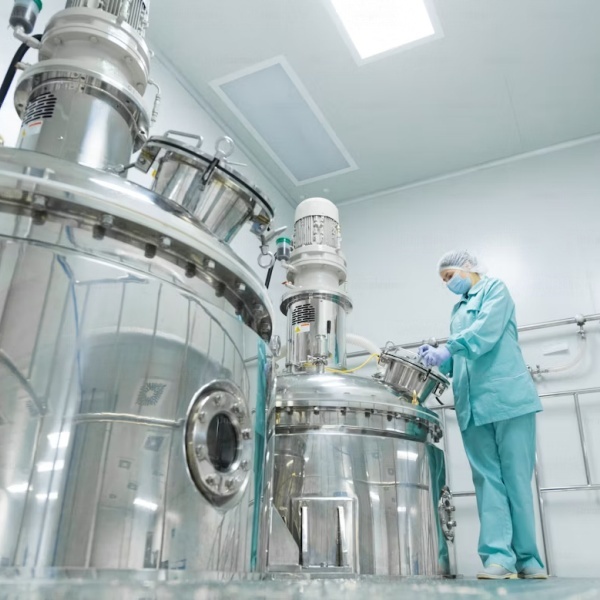
Contemporary cosmetic raw materials increasingly reflect industry commitment to environmental responsibility and sustainable practices that resonate with conscious consumers. Many ingredients now feature renewable sourcing, biodegradable properties, and reduced environmental impact throughout their lifecycle. Suppliers are implementing green chemistry principles, minimizing waste, reducing energy consumption, and eliminating harmful solvents in production processes. Cosmetic raw materials derived from upcycled agricultural byproducts or biotechnology fermentation offer sustainable alternatives to petroleum-based or environmentally sensitive ingredients. These sustainable options enable brands to reduce their carbon footprint while maintaining product performance standards. Transparency in ingredient sourcing, including fair trade practices and community support initiatives, adds ethical value that strengthens brand storytelling and consumer connection. The market alignment advantage extends to meeting clean beauty standards, which prioritize ingredient safety, environmental impact, and transparency. Brands utilizing sustainable cosmetic raw materials can authentically communicate their values, differentiate from competitors, and capture growing market segments that prioritize environmental and social responsibility. This strategic positioning not only supports immediate sales but builds long-term brand equity and resilience in an evolving marketplace where sustainability is becoming a baseline expectation rather than a differentiator.
Call
+86-18265650337
WhatsApp
Cosmetic Raw Materials: Quality Ingredients Guide
Email Inquiry

Get a Free Quote

Our representative will contact you soon.
Email
Name
Company Name
Message
0/1000